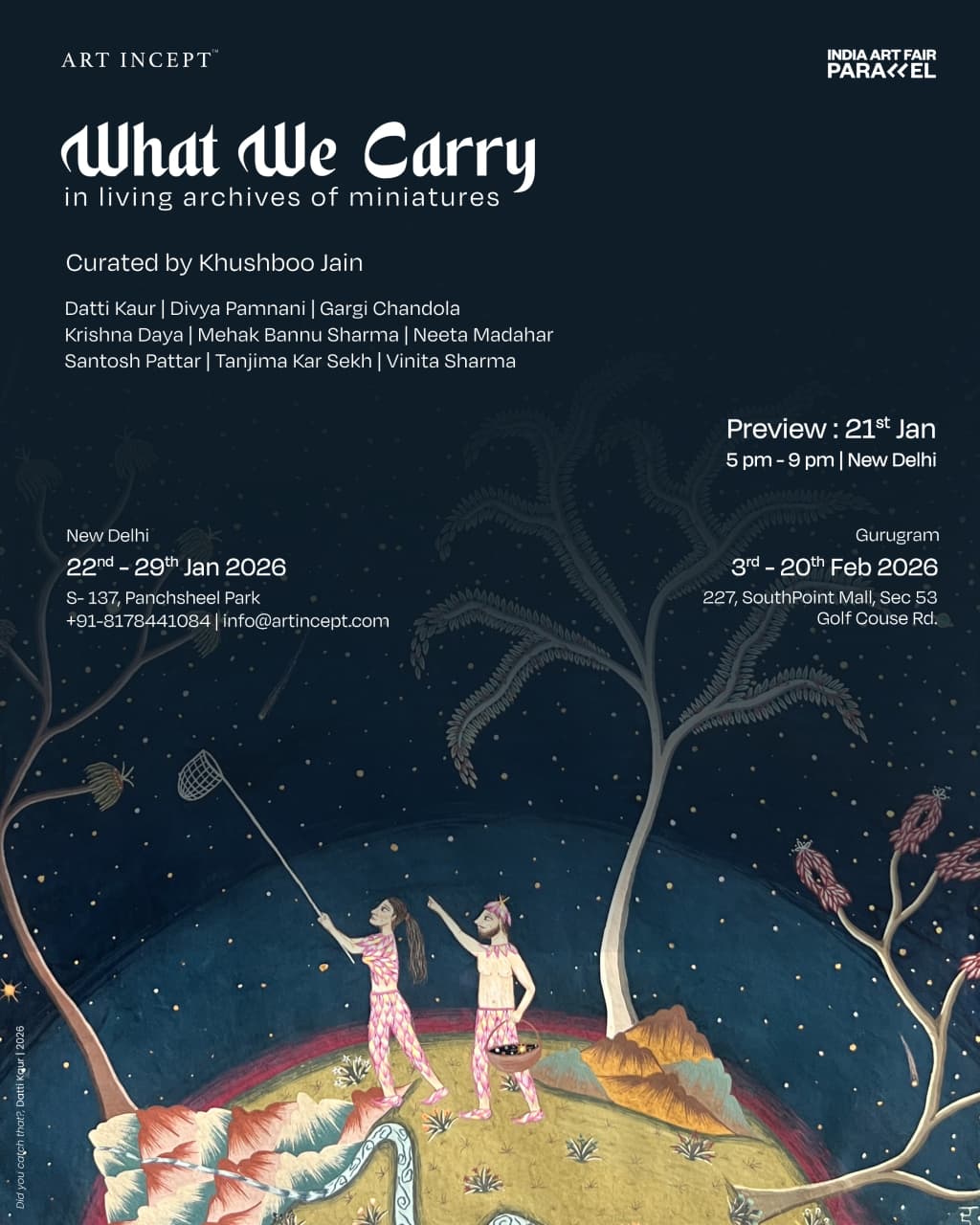
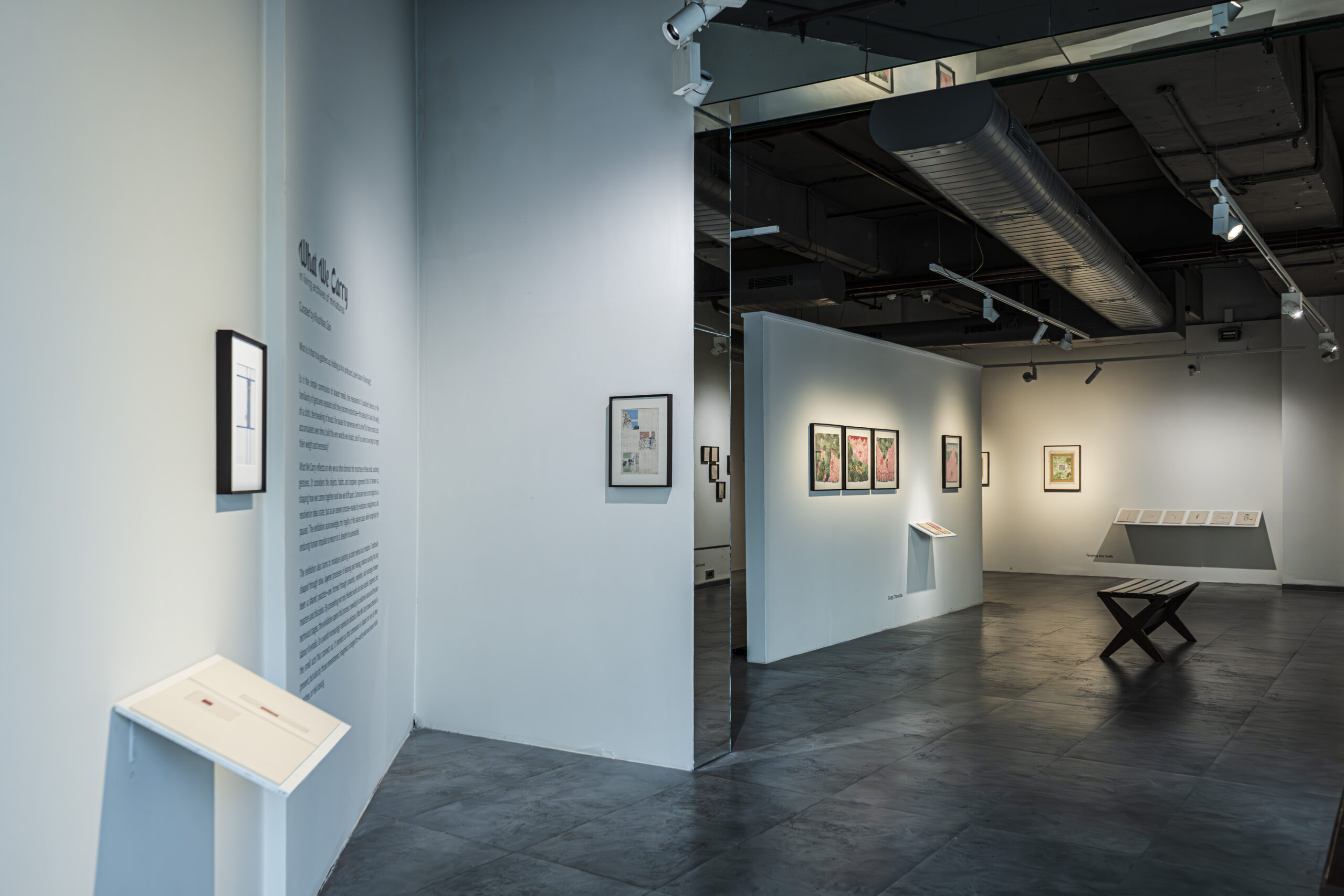
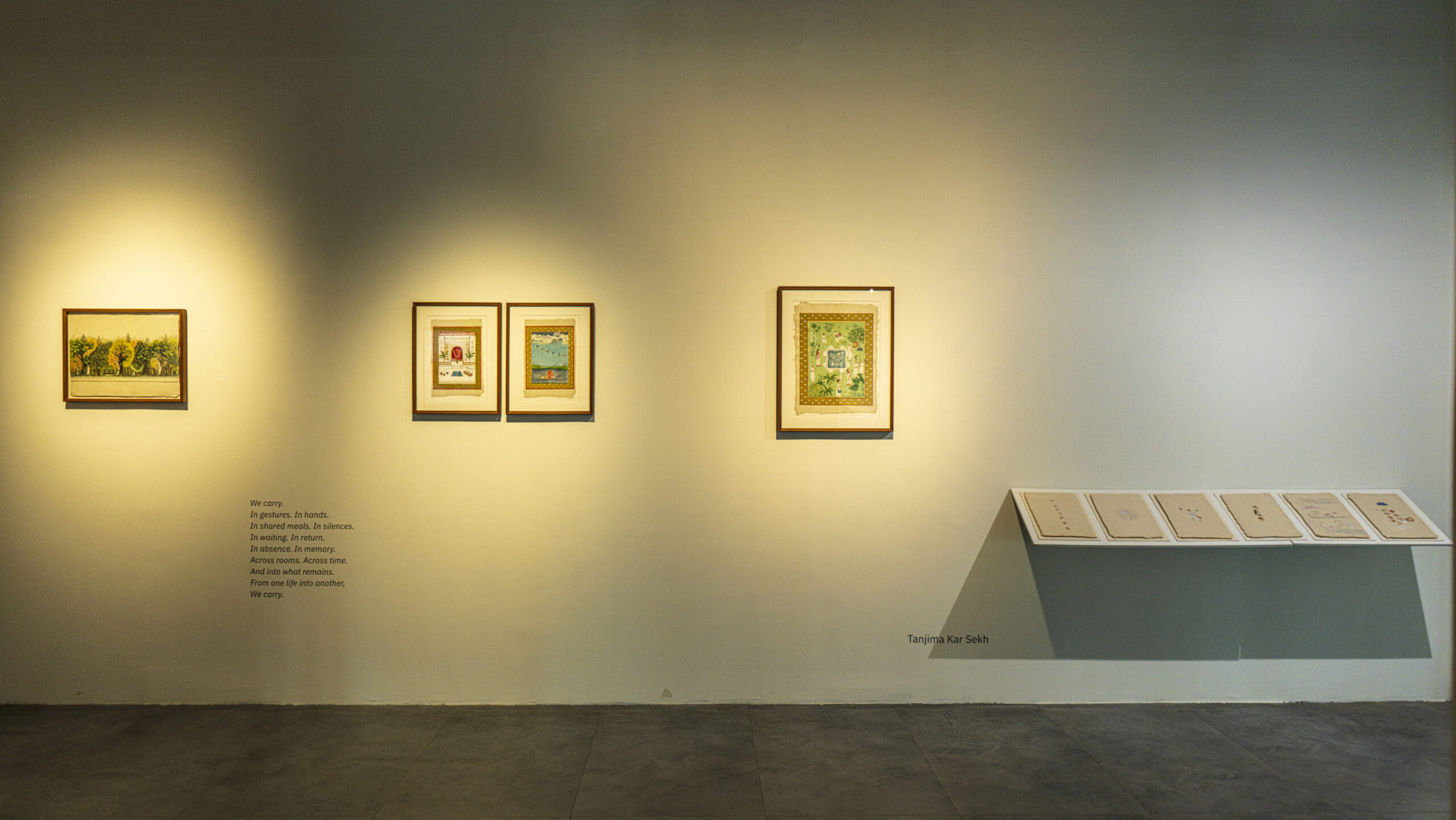
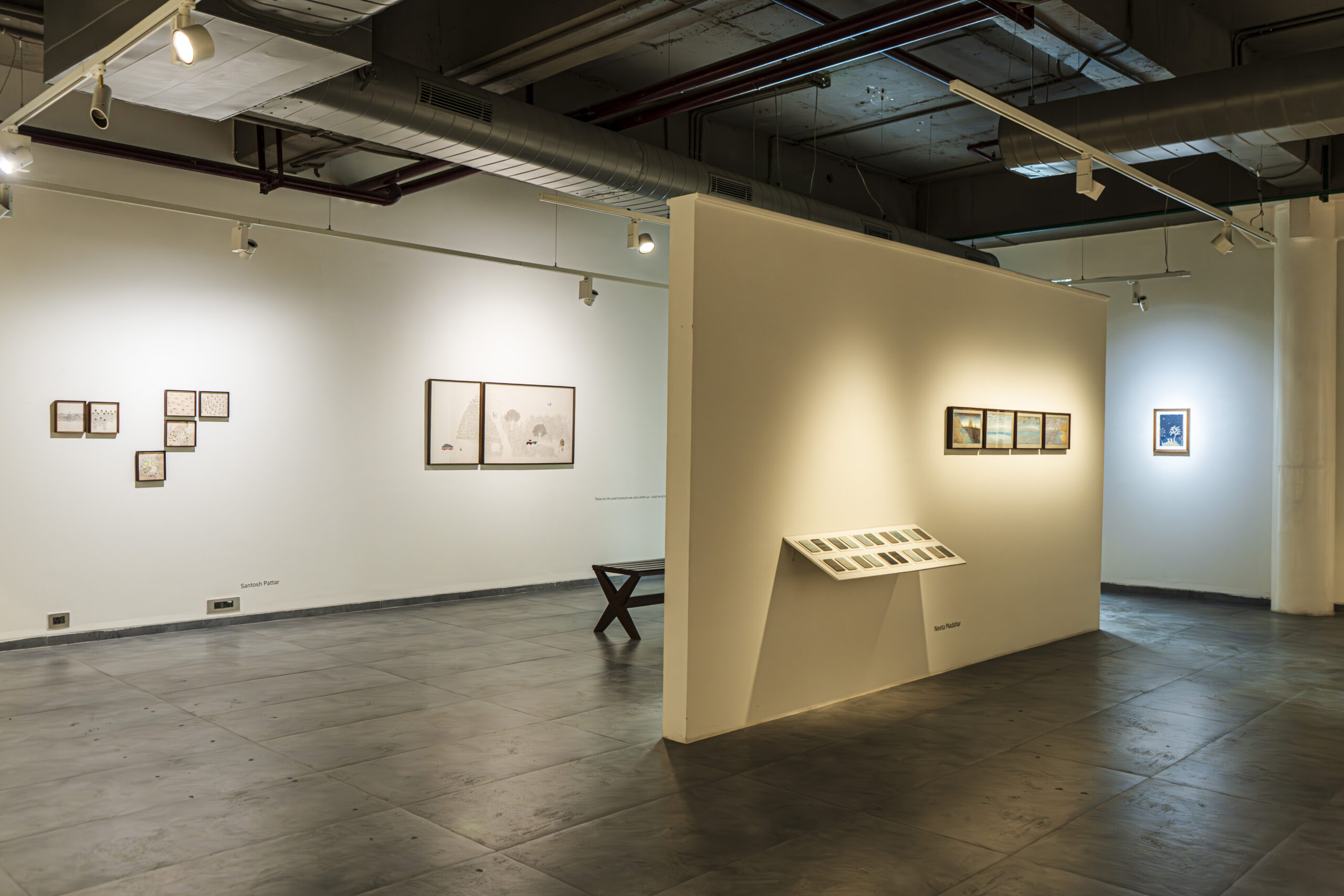
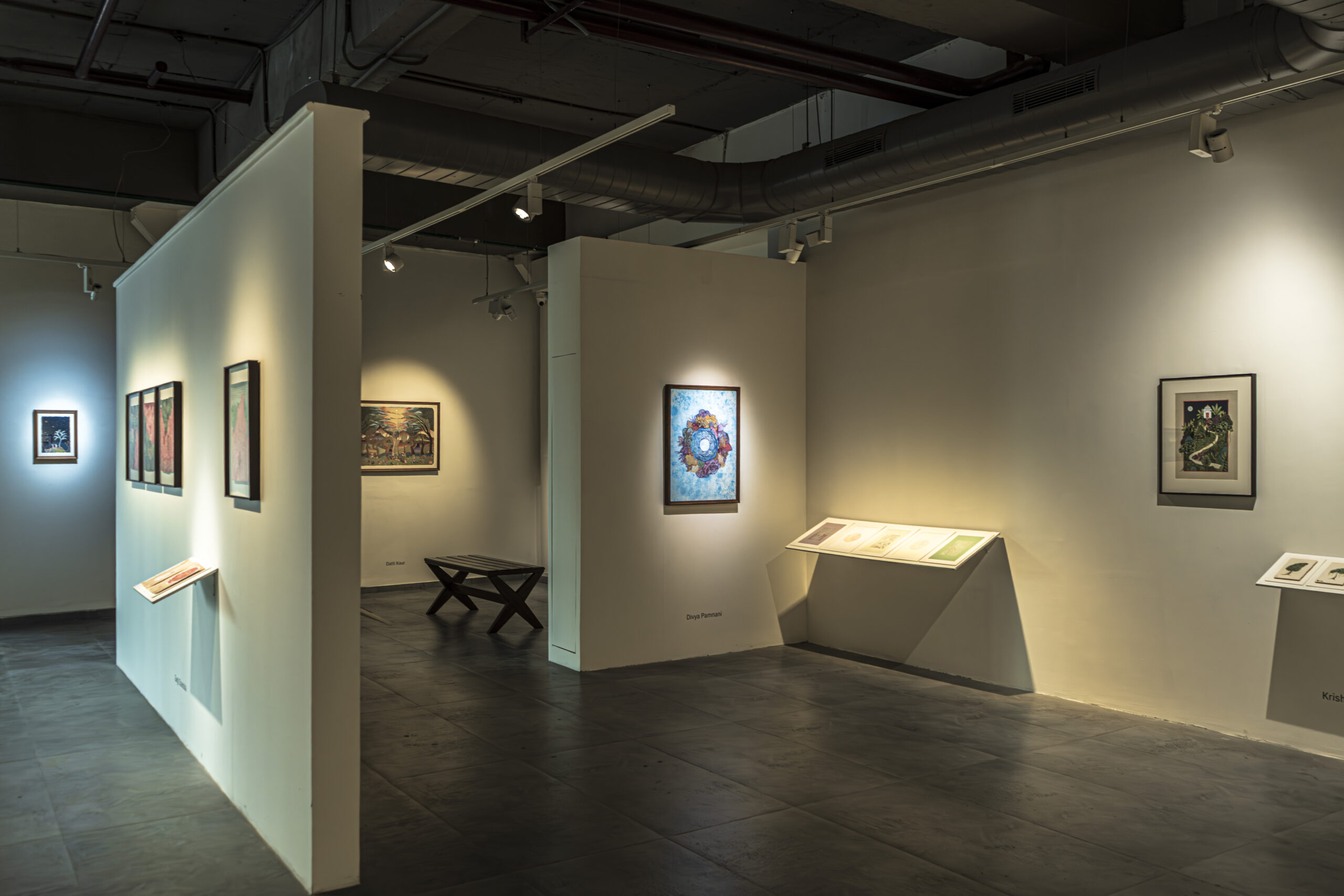
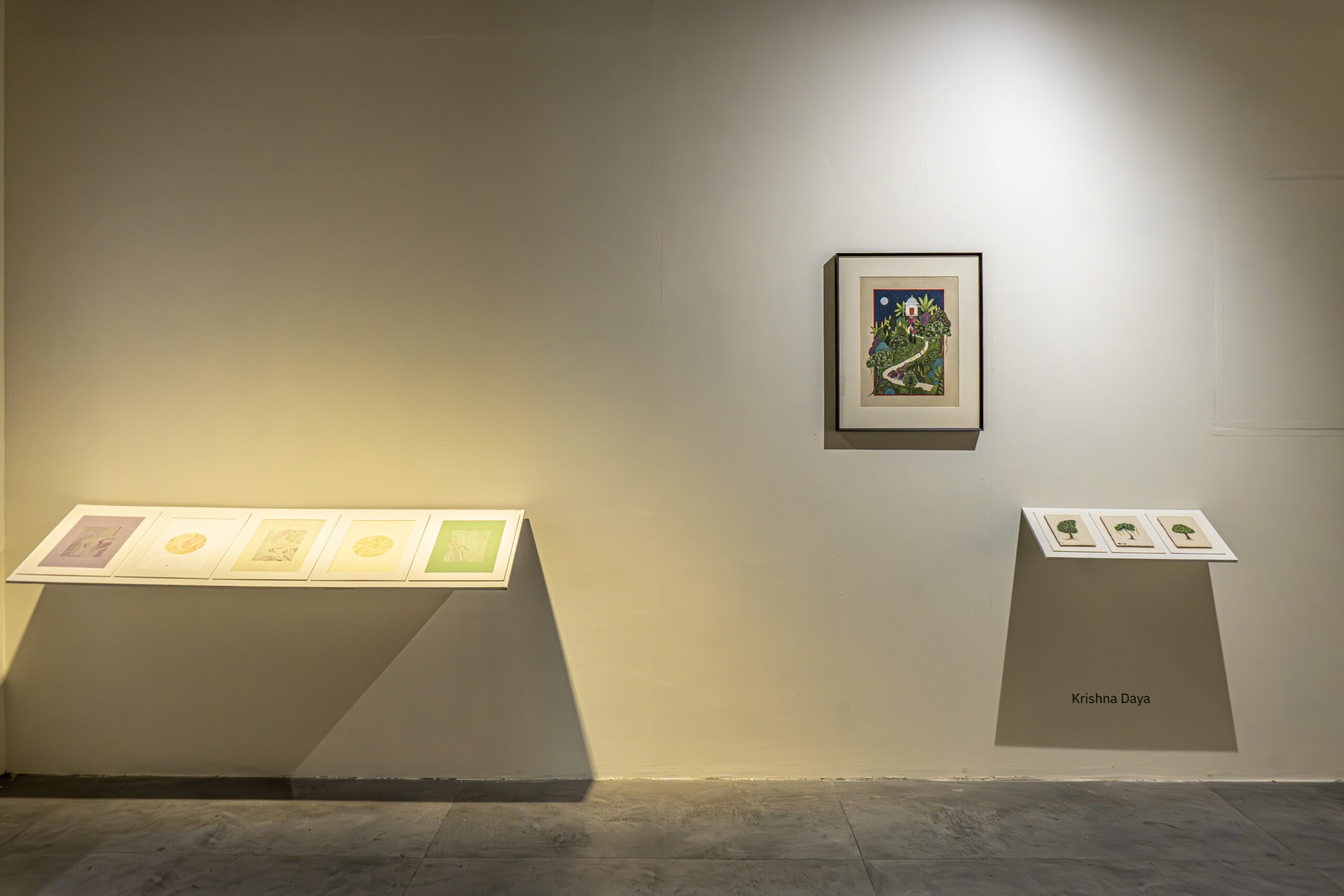
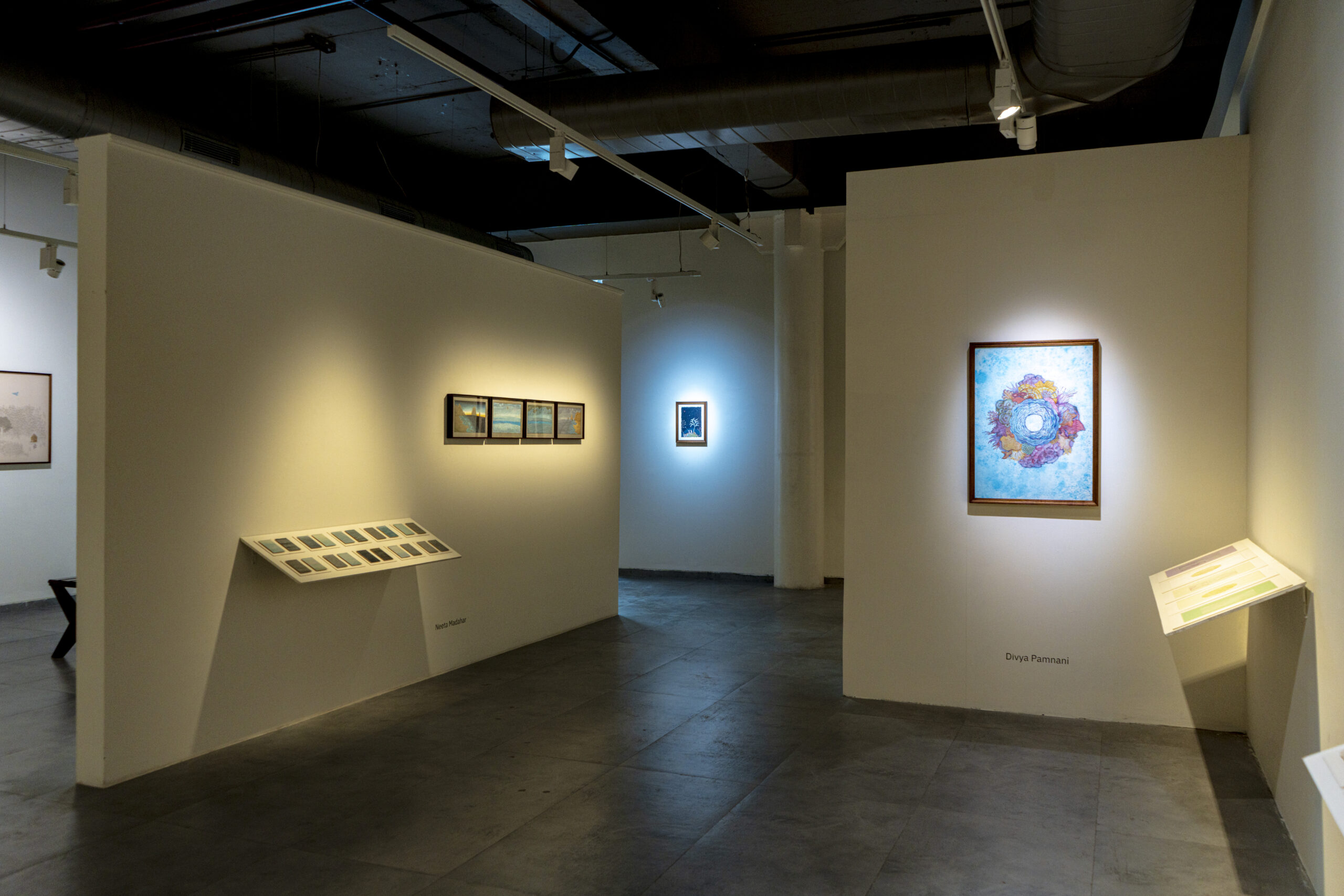
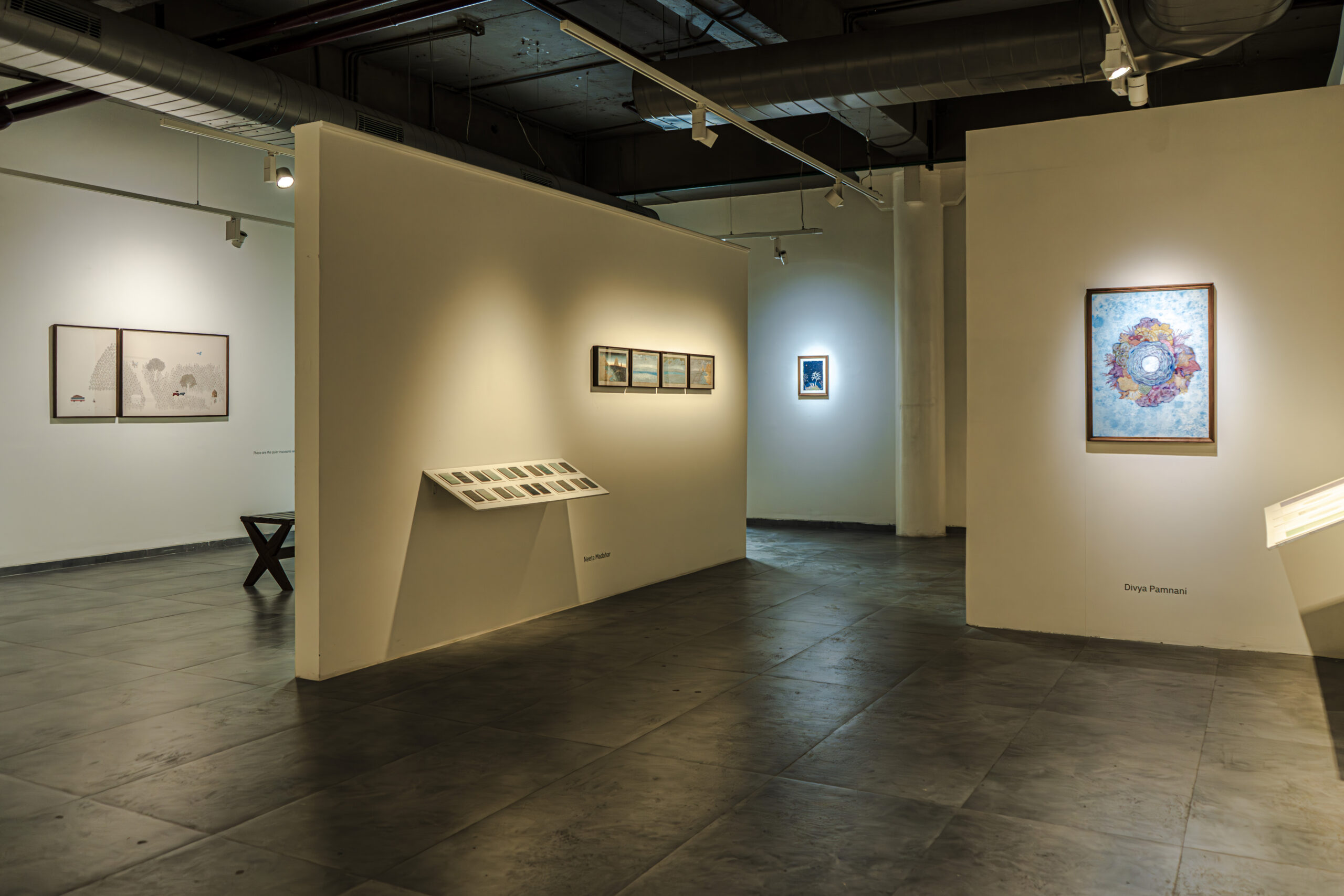
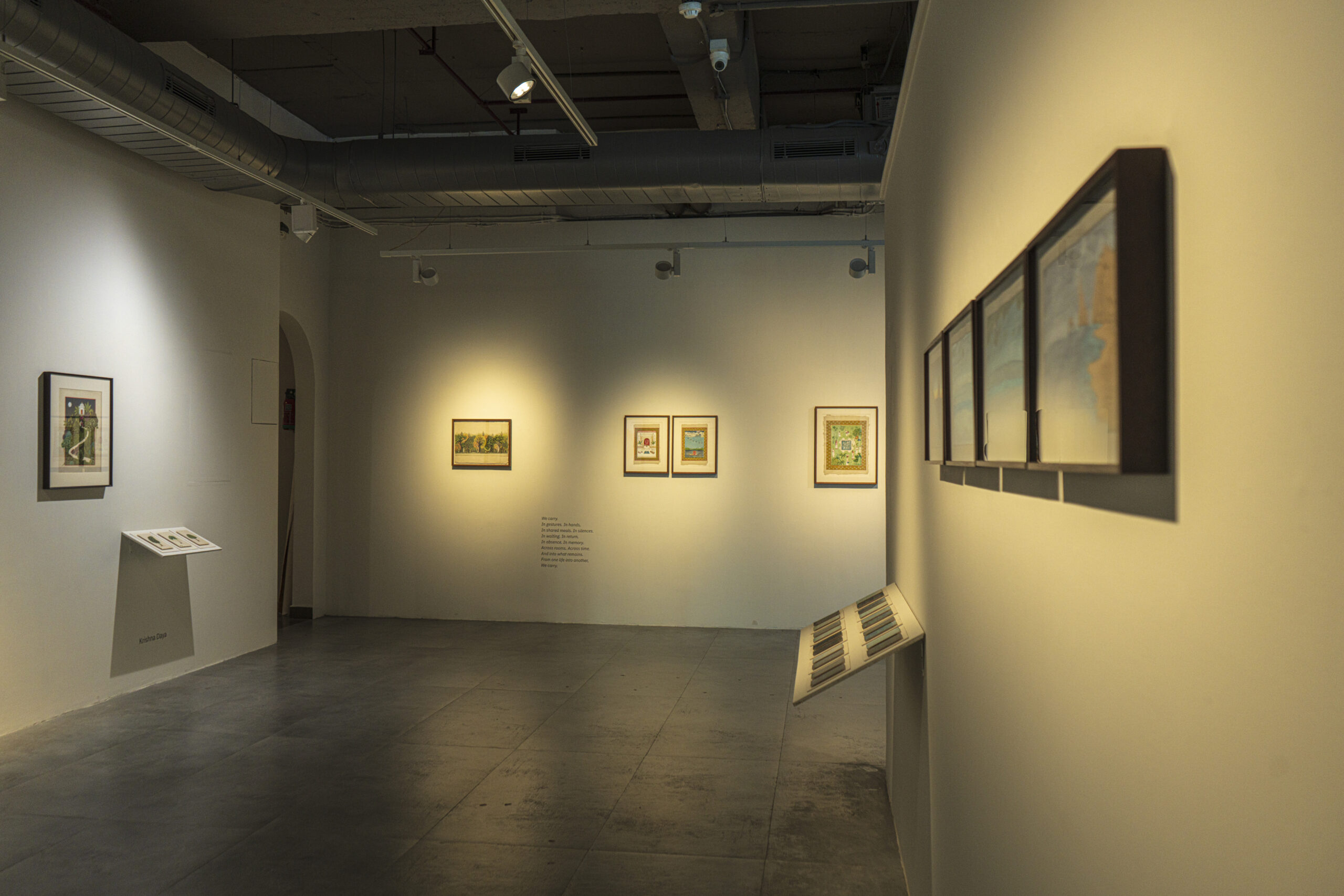
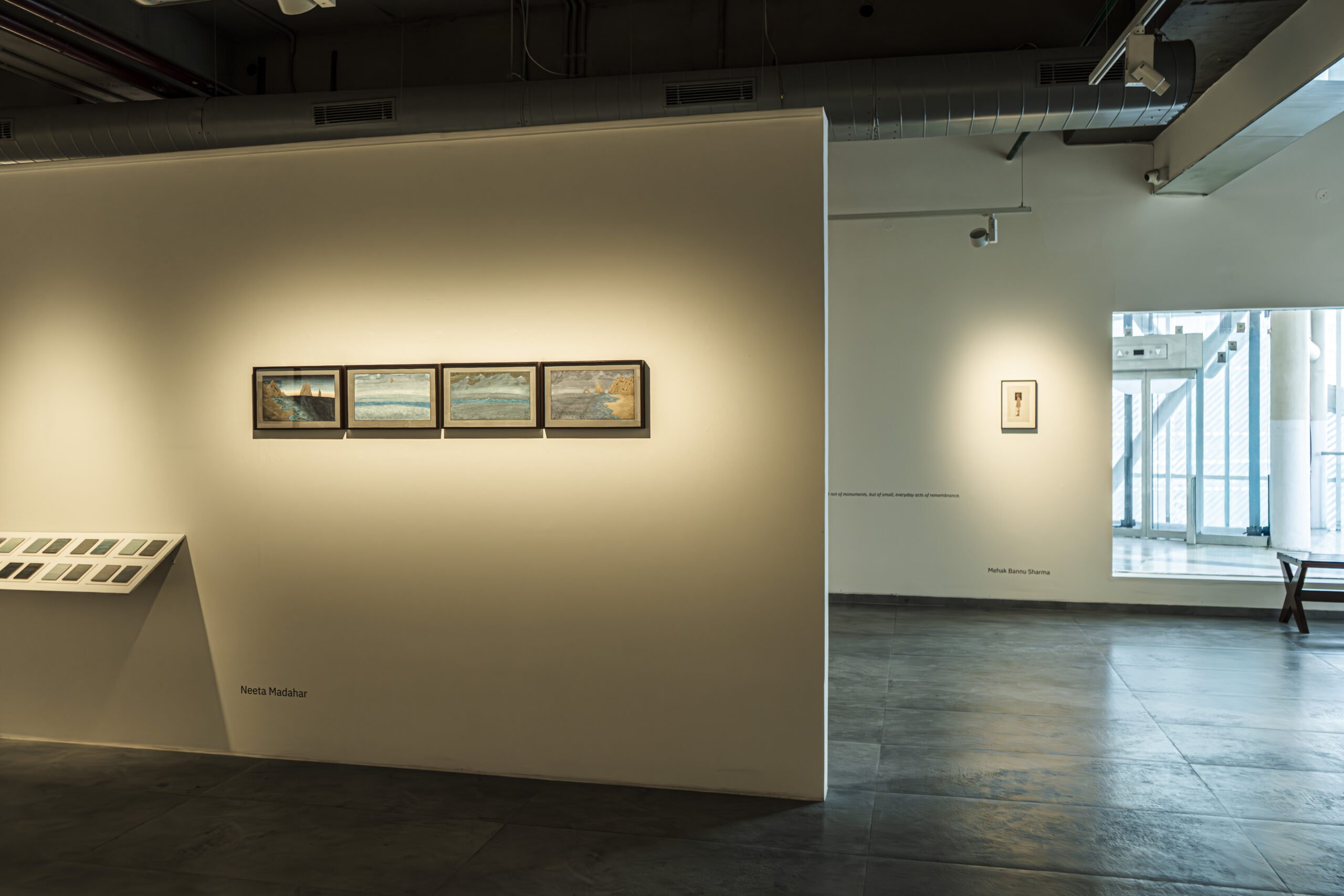
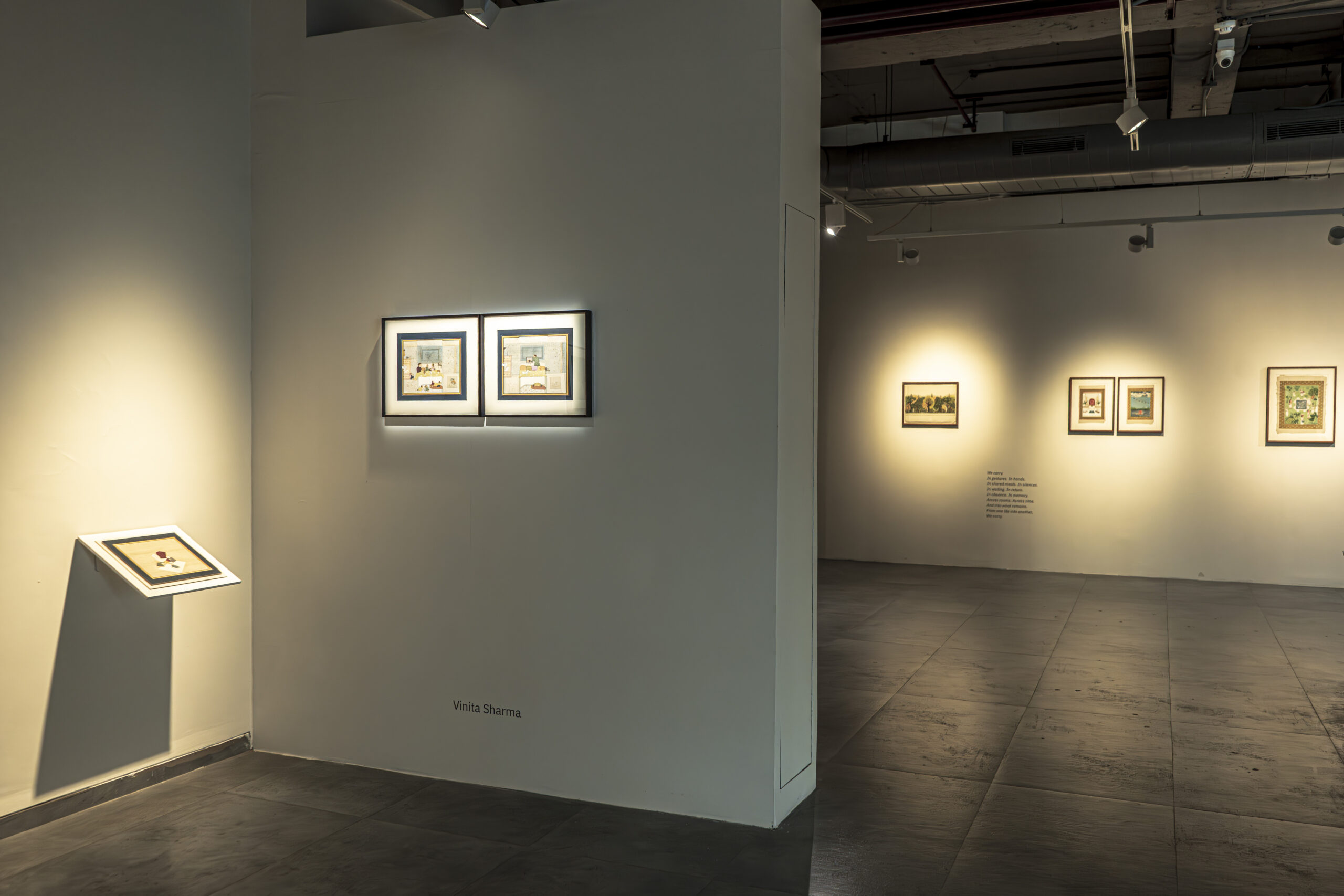
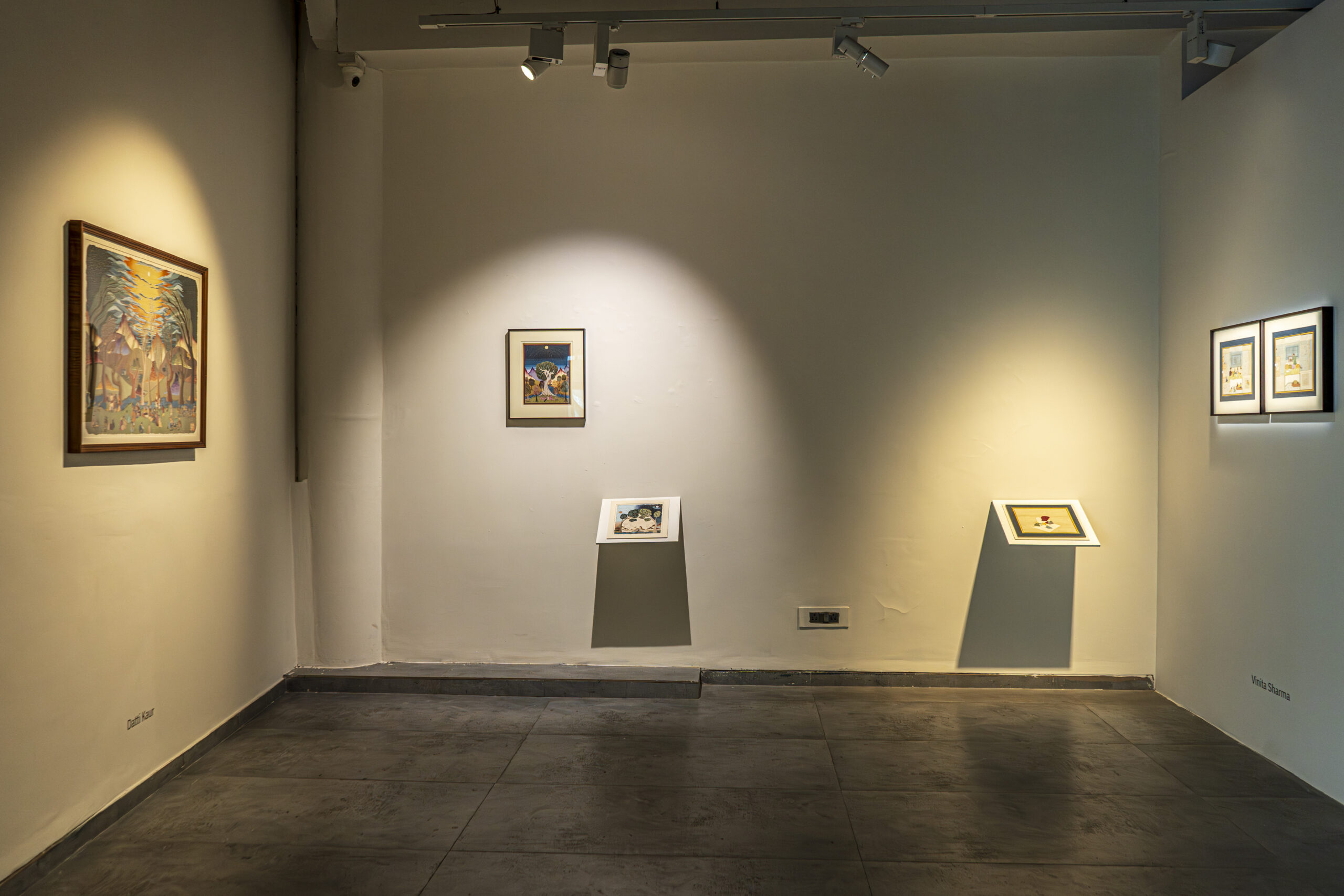
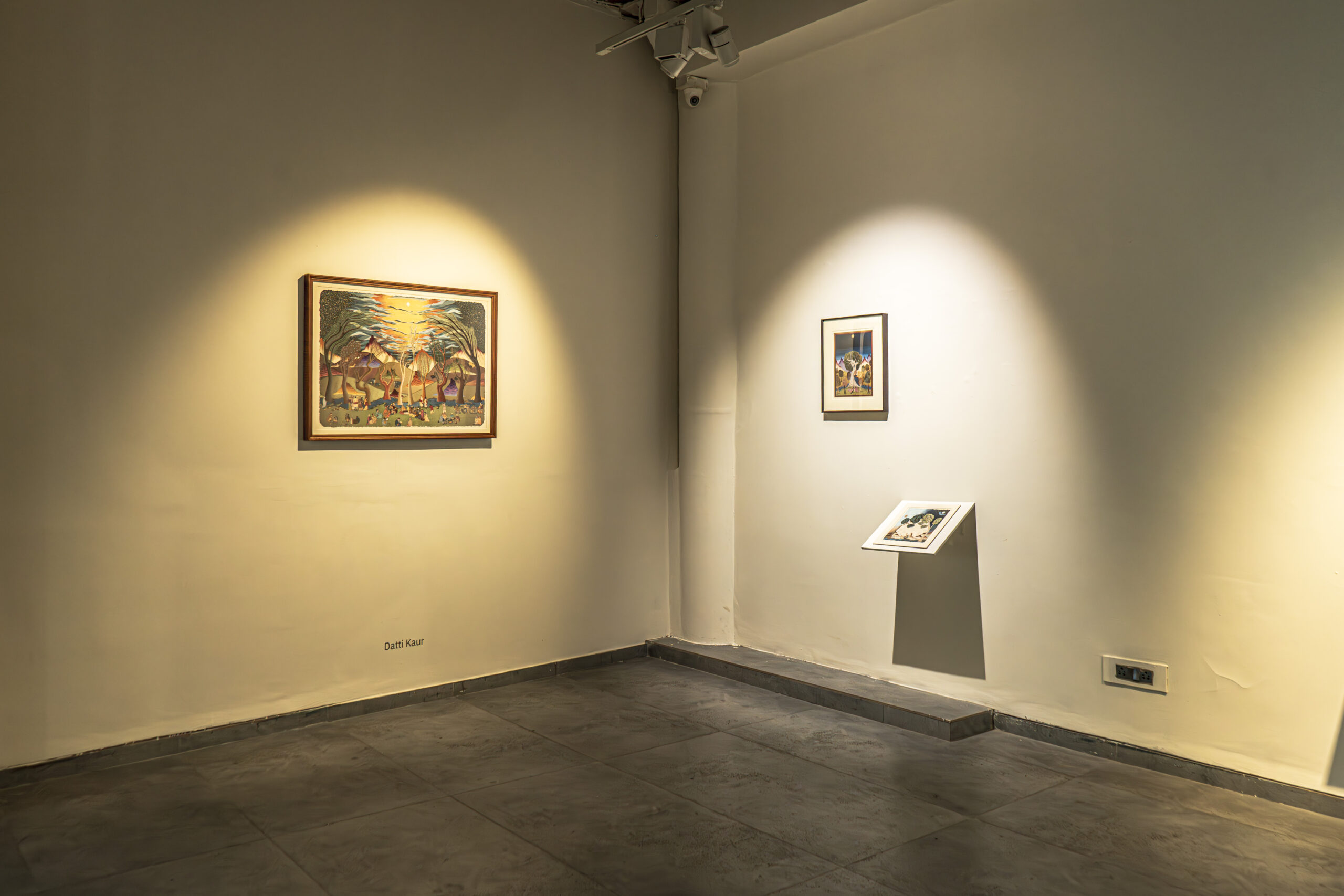
What truly gathers us, holding us in a profound, quiet space of belonging?
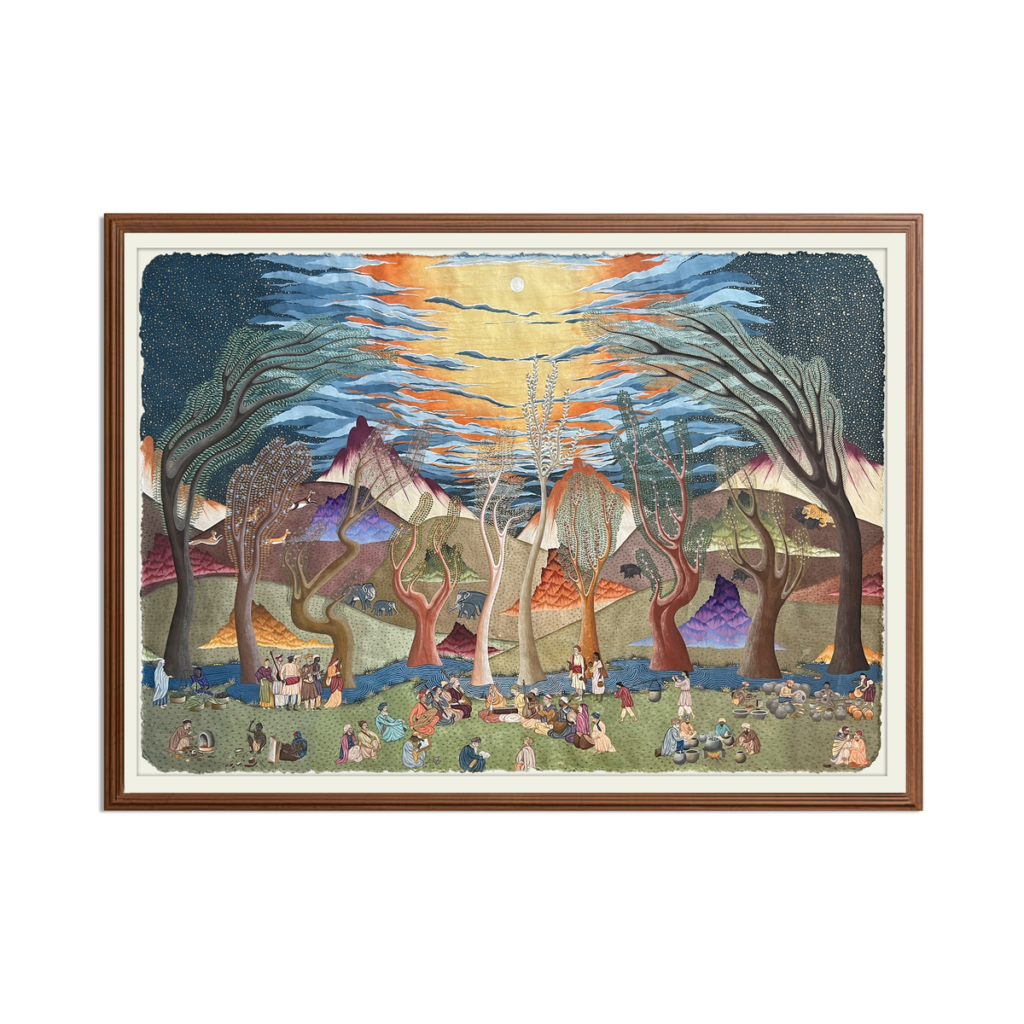
Is it the simple communion of shared meals, the comforting resonance of sustained silences, or the deep-seated familiarity of gestures repeated until they become an unconscious habit? The graceful passing of a bowl, the mindful laying of a cloth, the symbolic breaking of bread, the patient anticipation for someone yet to arrive? Do these seemingly small, humble acts incrementally build the very world we inhabit, and if so, when do we begin to inadvertently diminish their immense weight, their foundational importance?
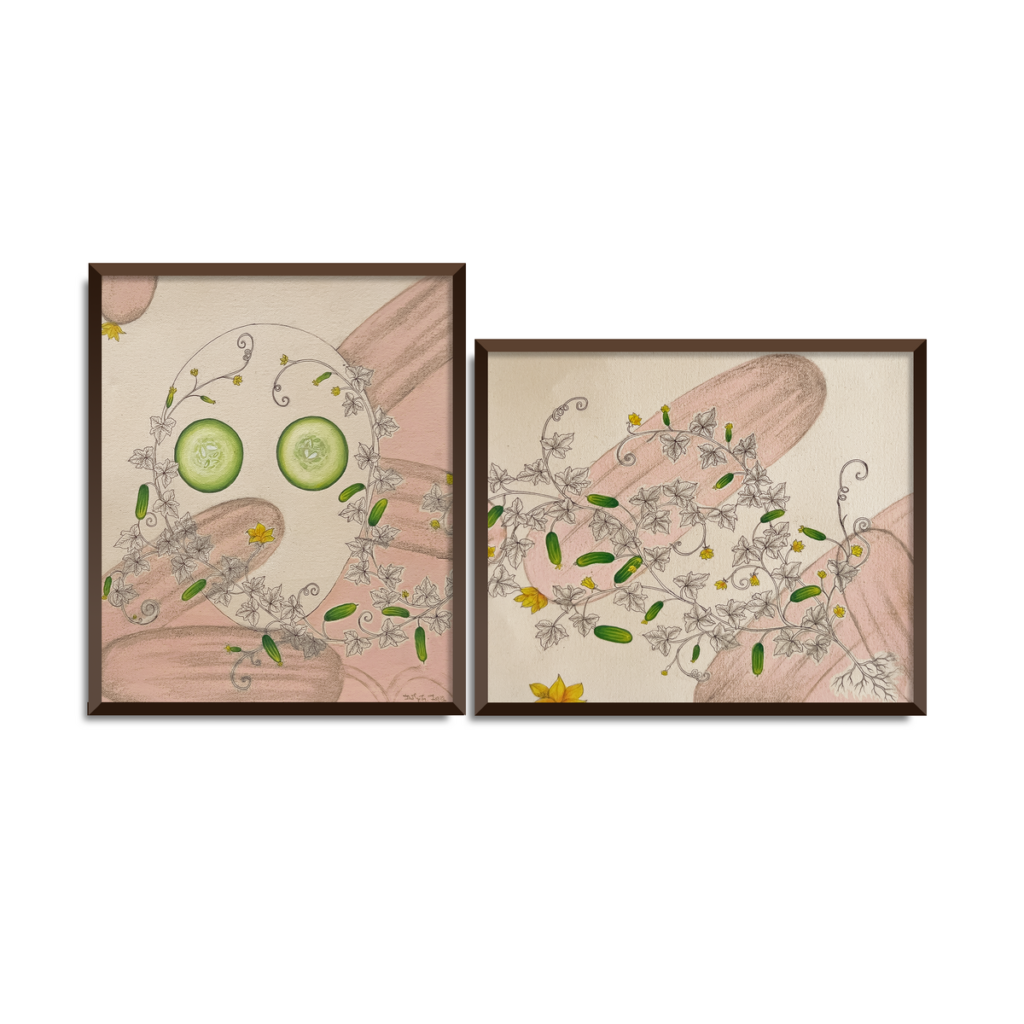
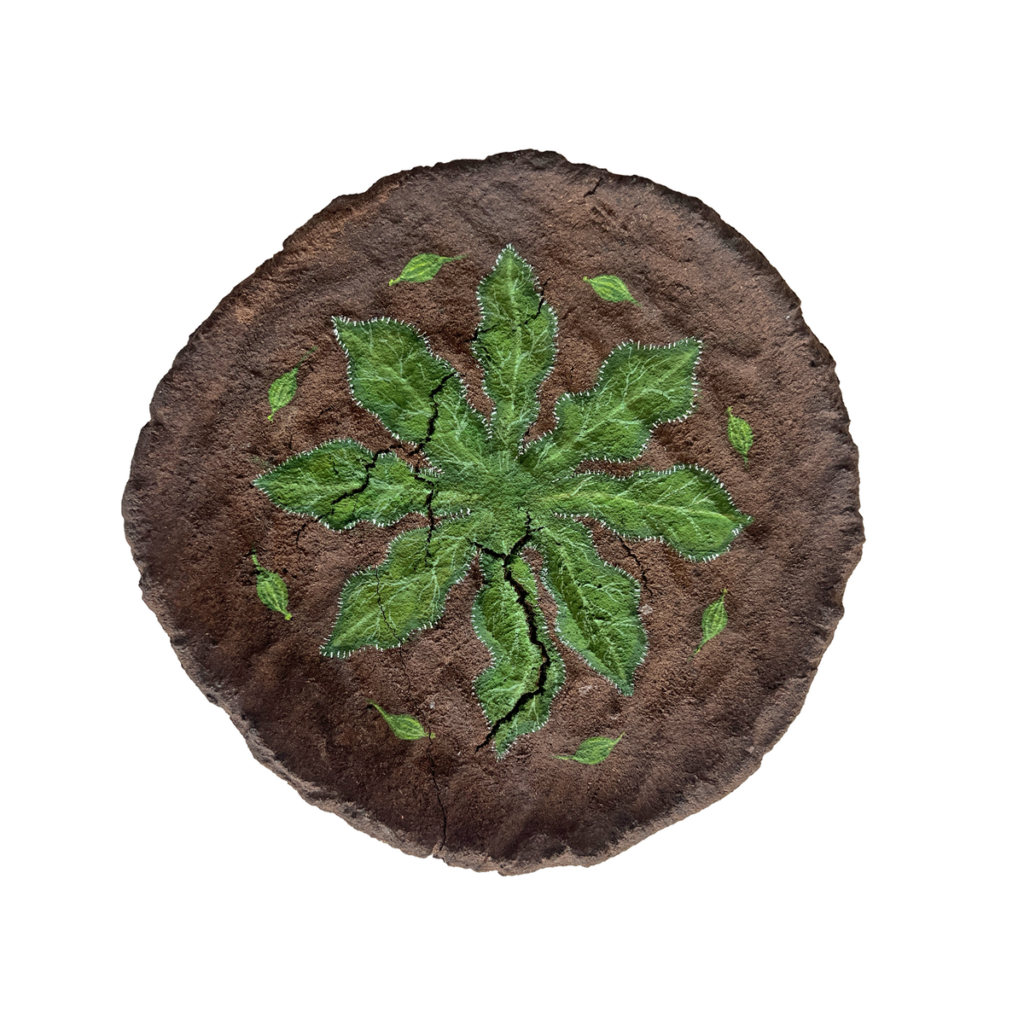
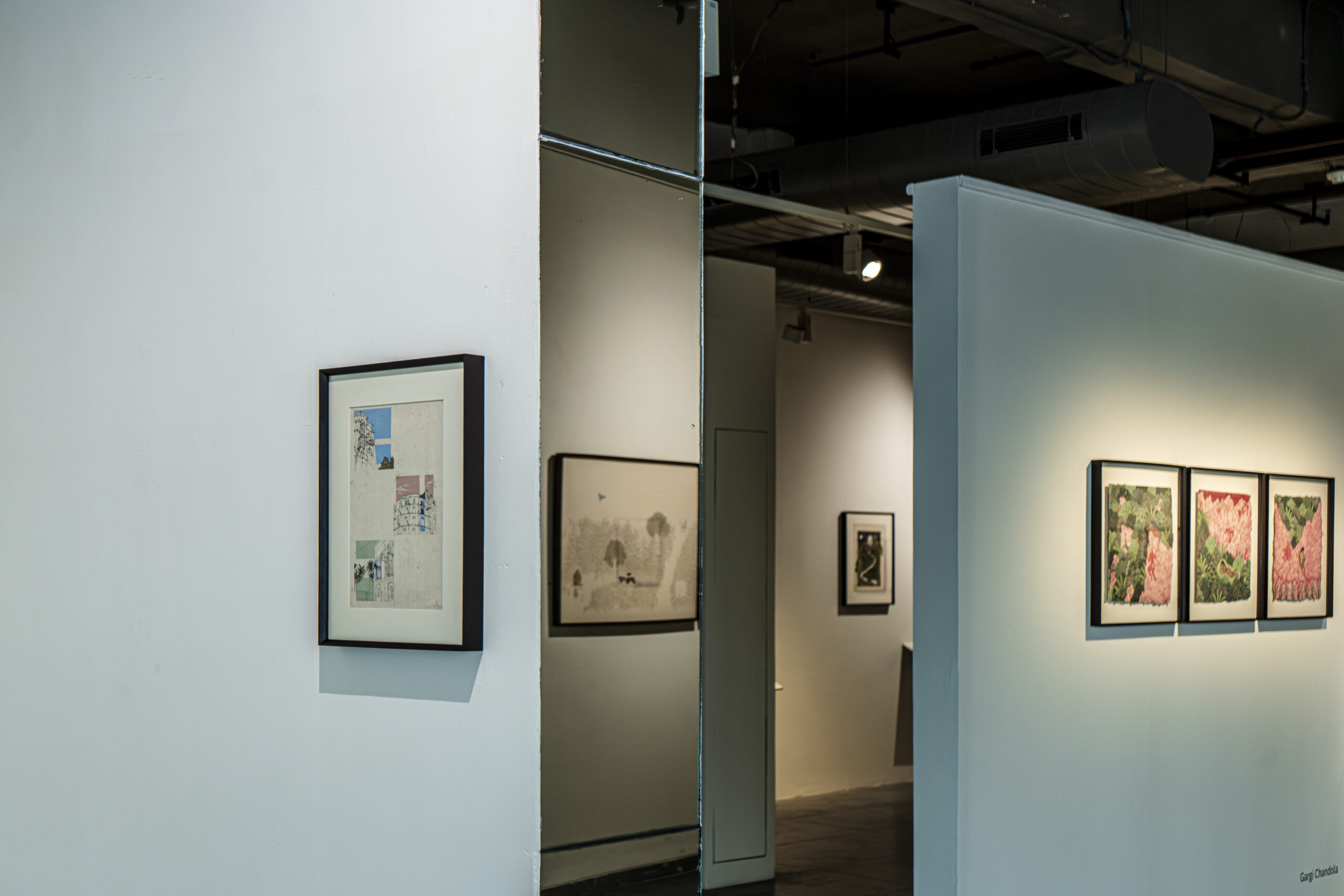
This exhibition prompts us to consider why we often diminish the foundational importance of these small, humble acts. It questions the objects and unspoken agreements we place between us. It suggests that the truest essence of communion is not a perfectly resolved state, but rather an uneven journey marked by hesitations, misalignments, and powerful pauses. It interrogates the inherent fragility of this delicate communion and the enduring human imperative that compels us to seek its reassuring embrace despite its vulnerability. By bringing together artists whose works tenderly explore these spaces of coming together,
“What We Carry” encourages viewers to reflect on what we consciously choose to place between us, shaping our relationships and shared experiences.
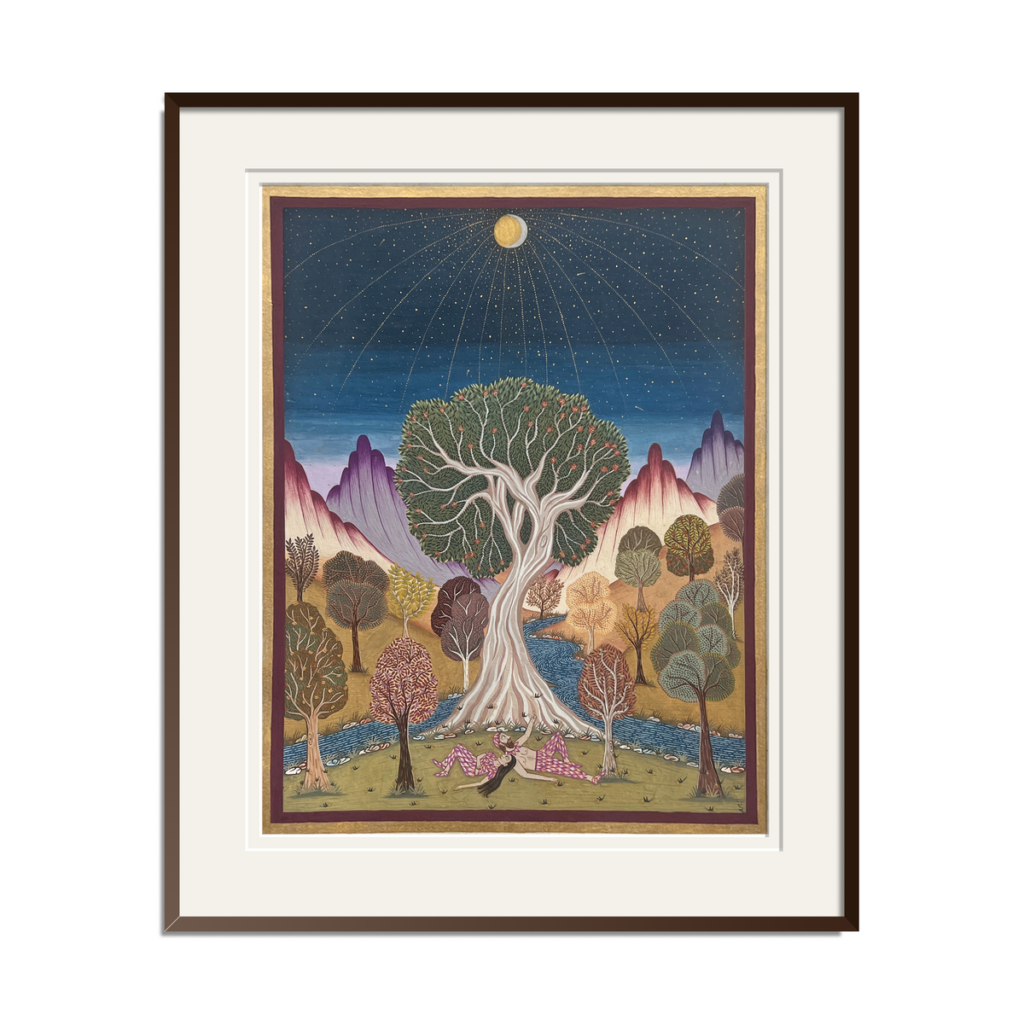
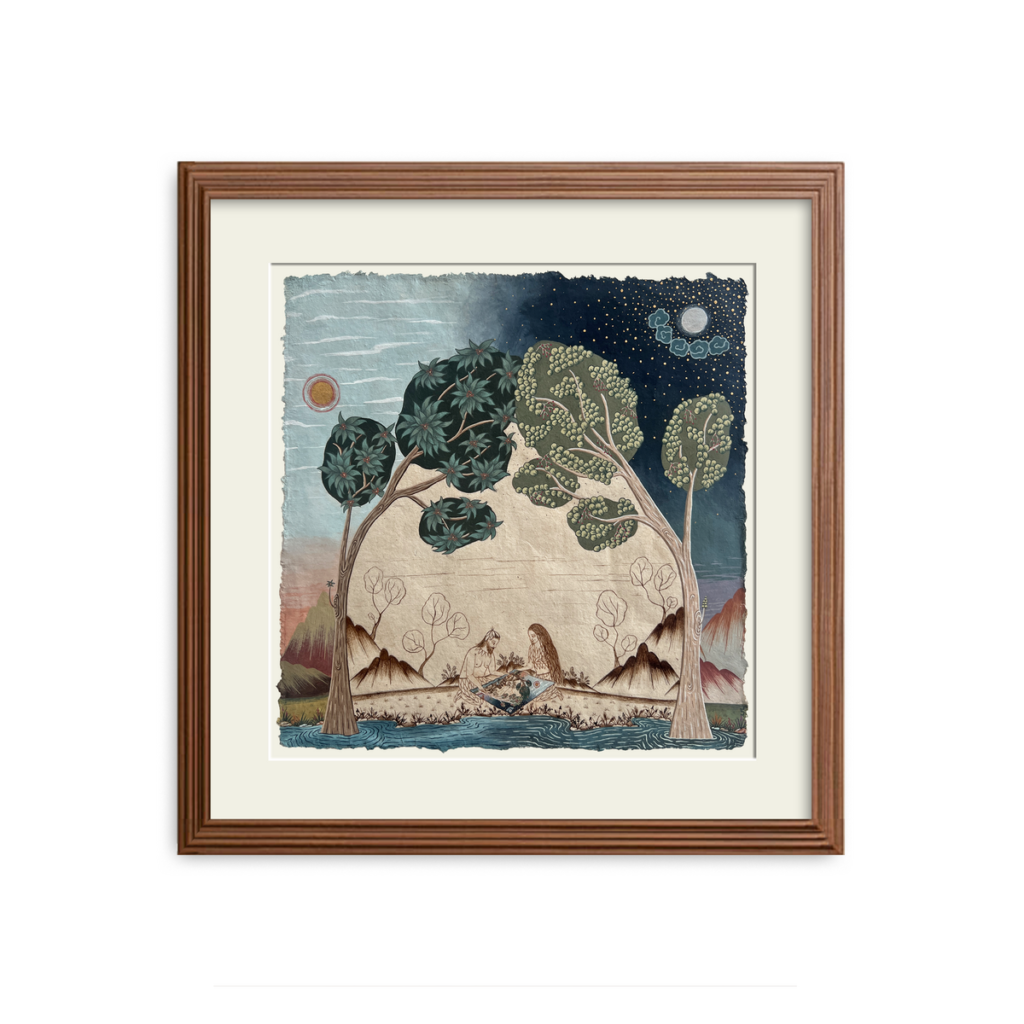
The concept of gathering unfolds in a multitude of ways throughout the exhibition, showcasing works that evoke cherished rituals of assembly, where belonging is meticulously rehearsed through shared food, labor, and time. Conversely, other pieces thoughtfully turn towards absence, addressing unfinished conversations, empty rooms, and objects that bear the poignant imprint of those no longer physically present. In these instances, communion is tenderly formed through memory, assembling fragments of people, places, and moments that may not coexist in the immediate present but continue to powerfully shape and enrich our
current realities.
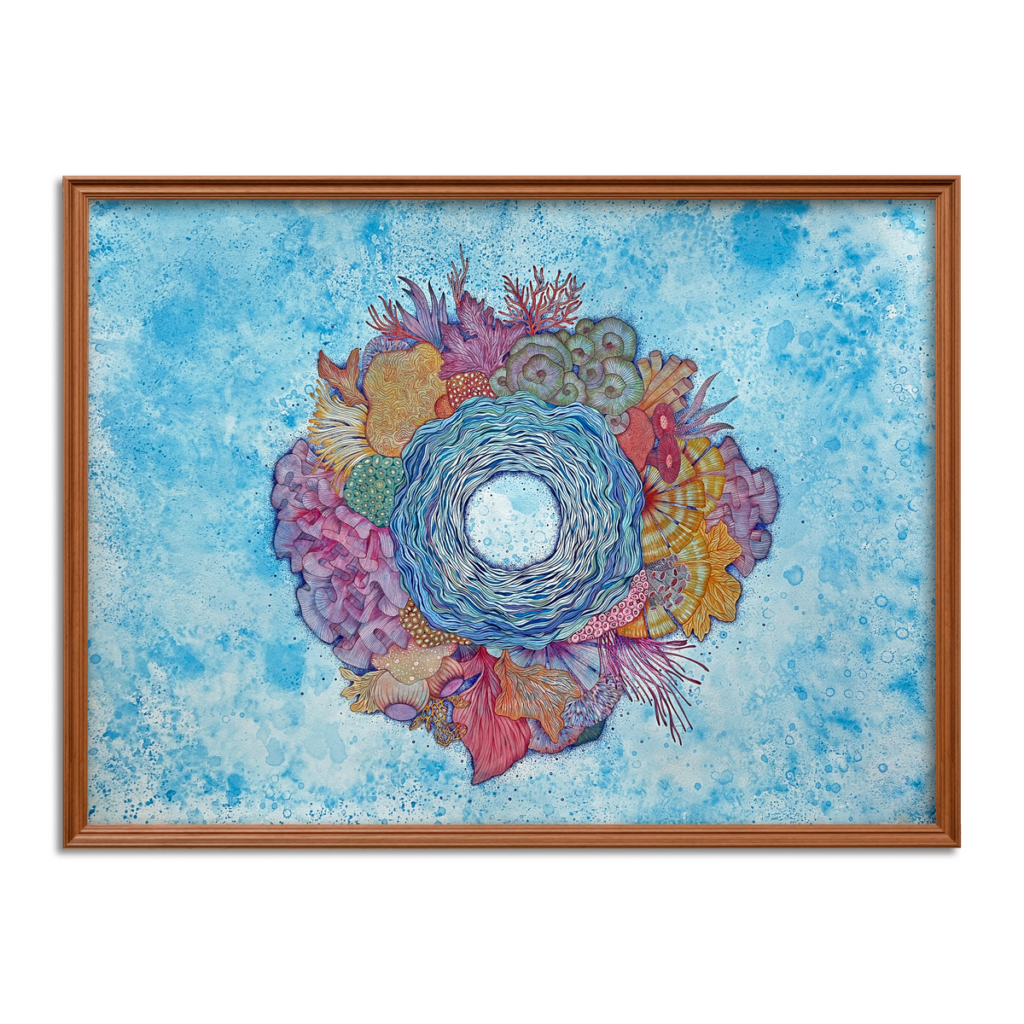
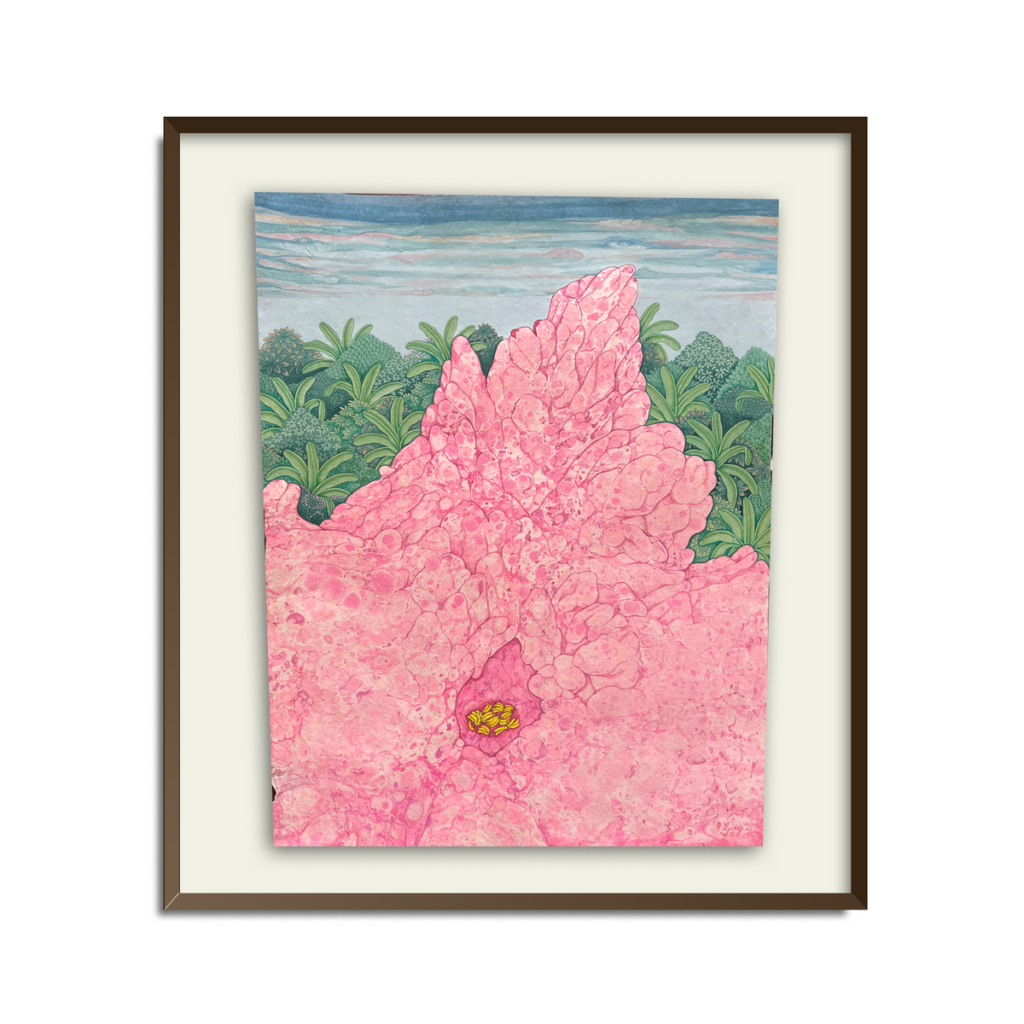
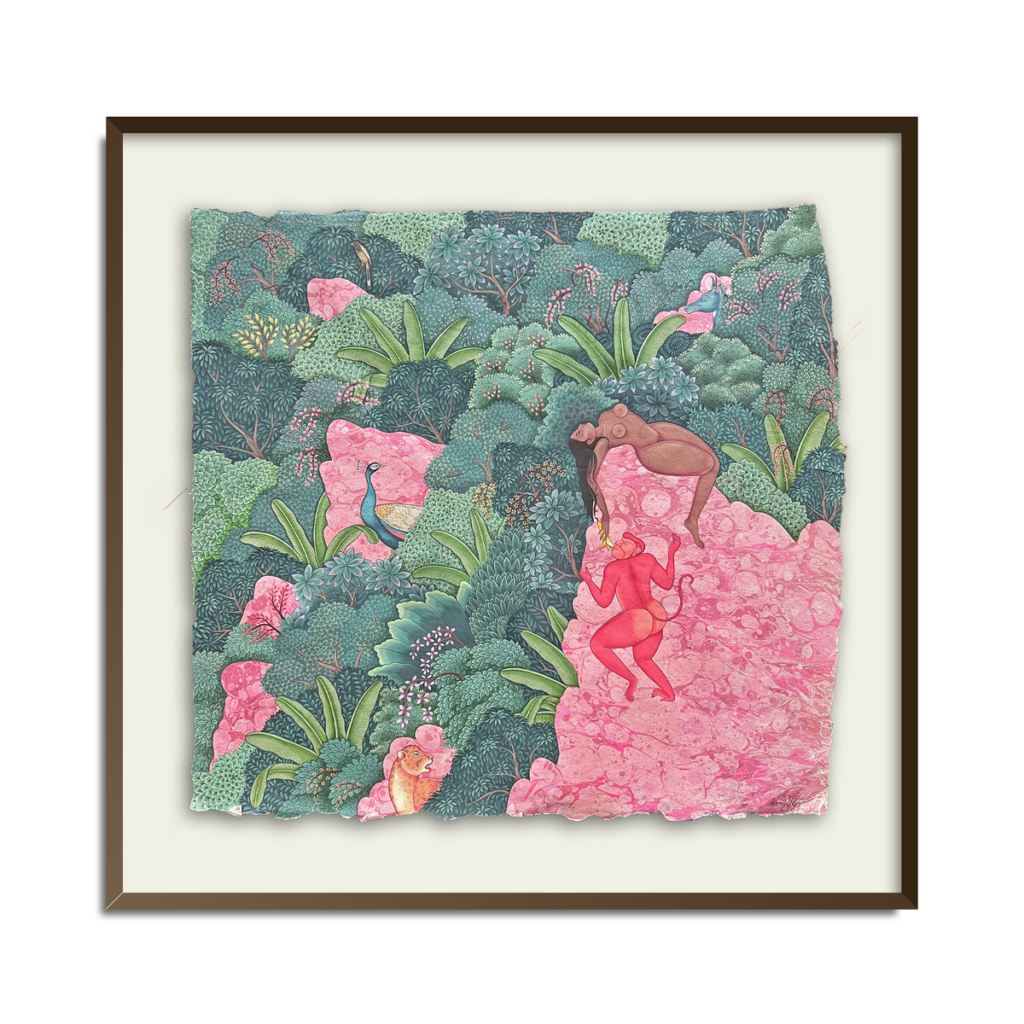
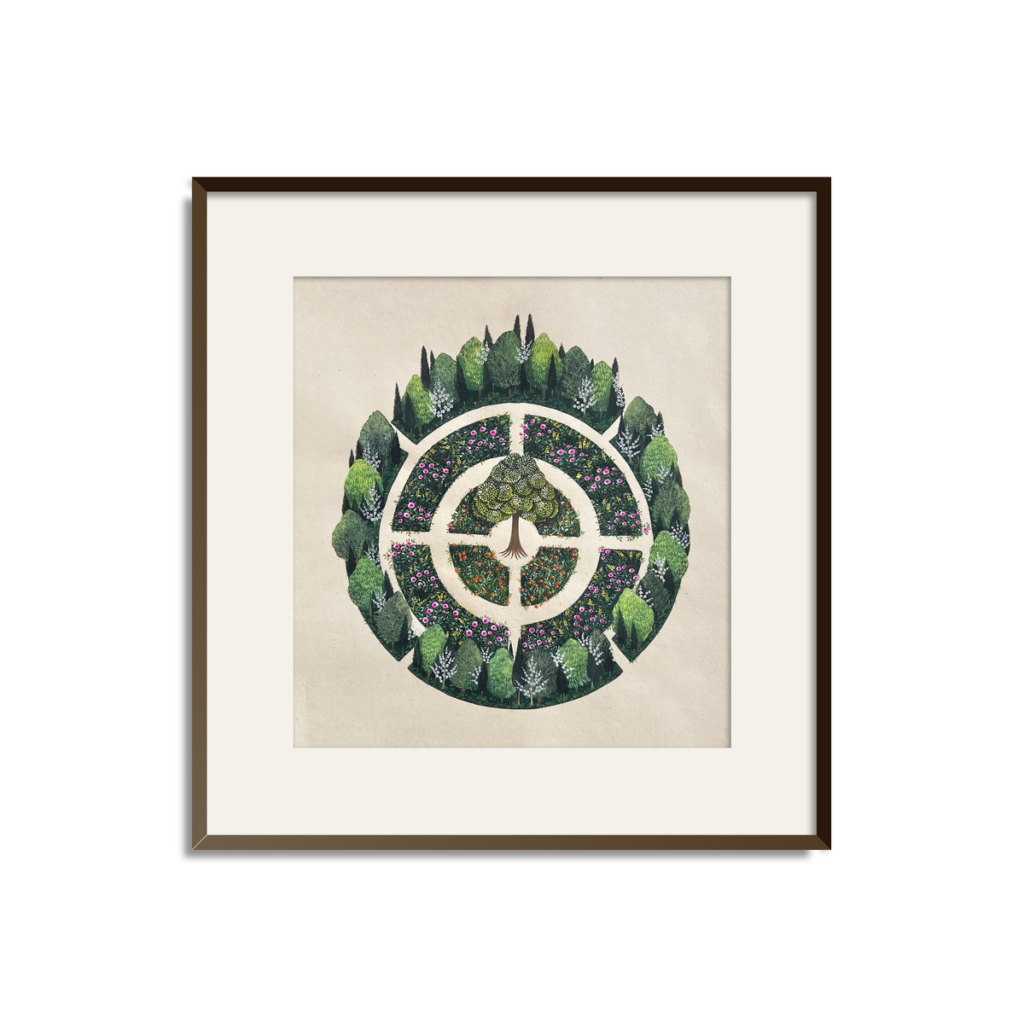
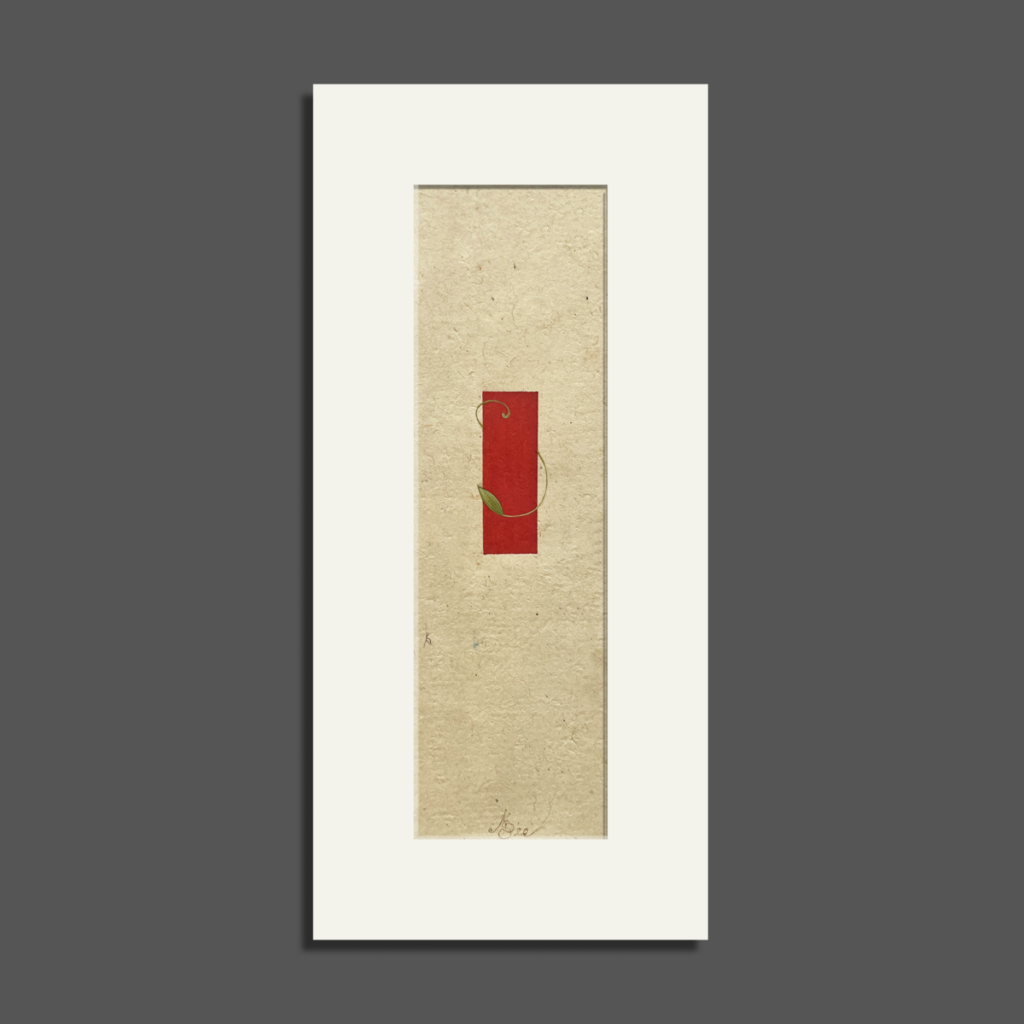
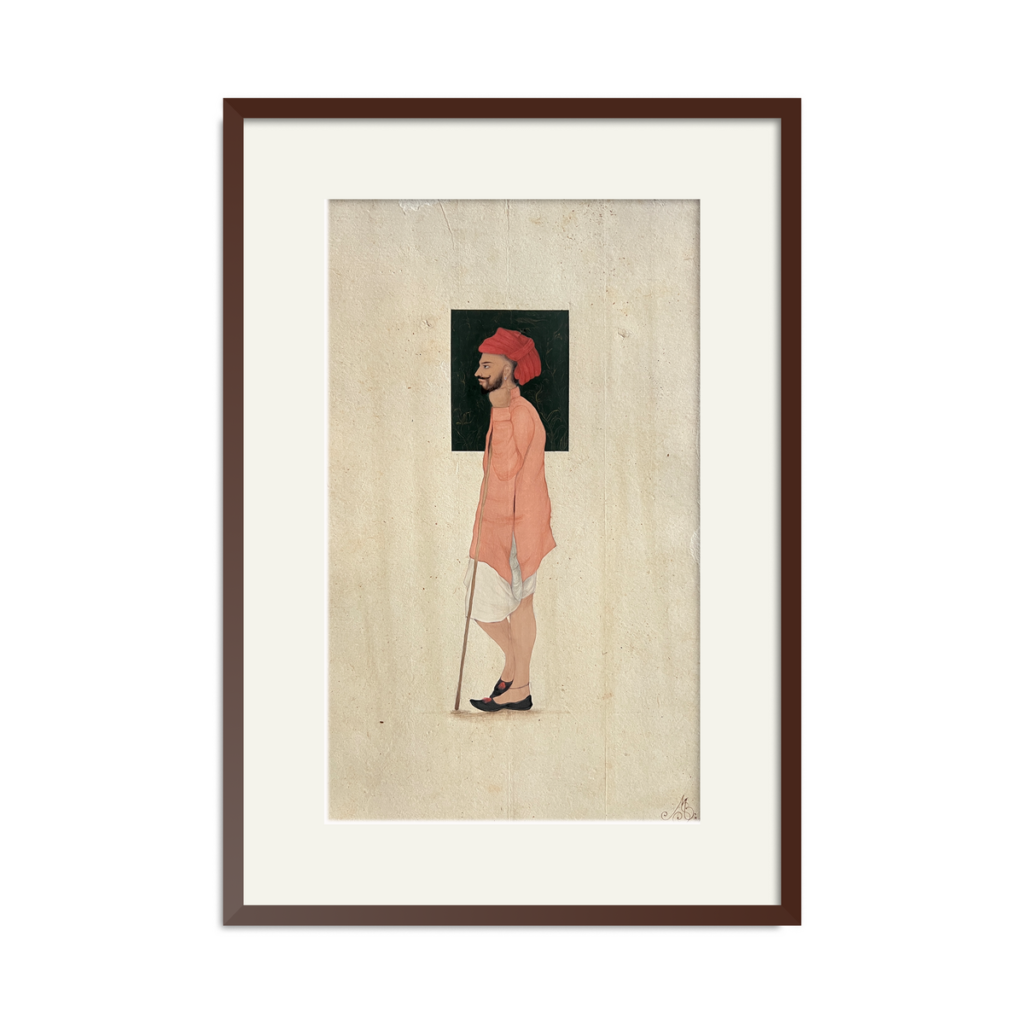
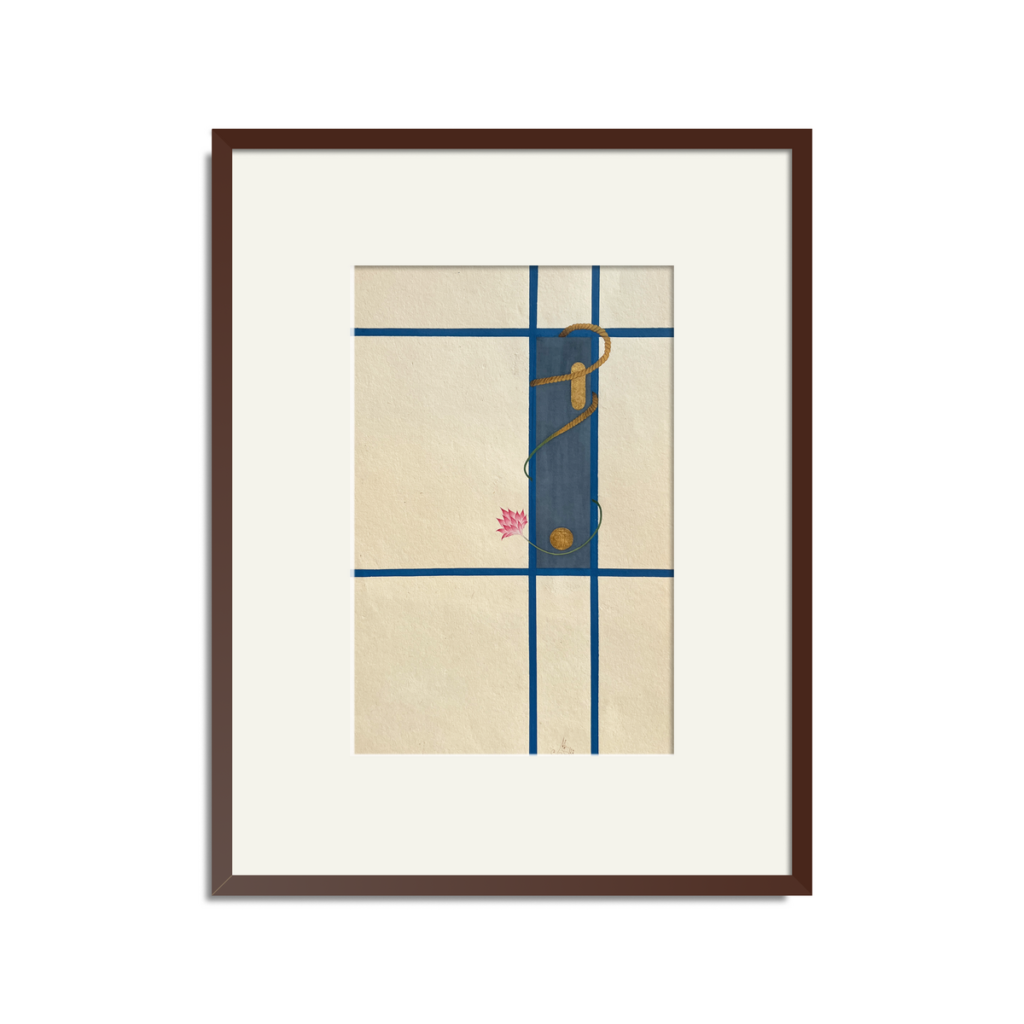
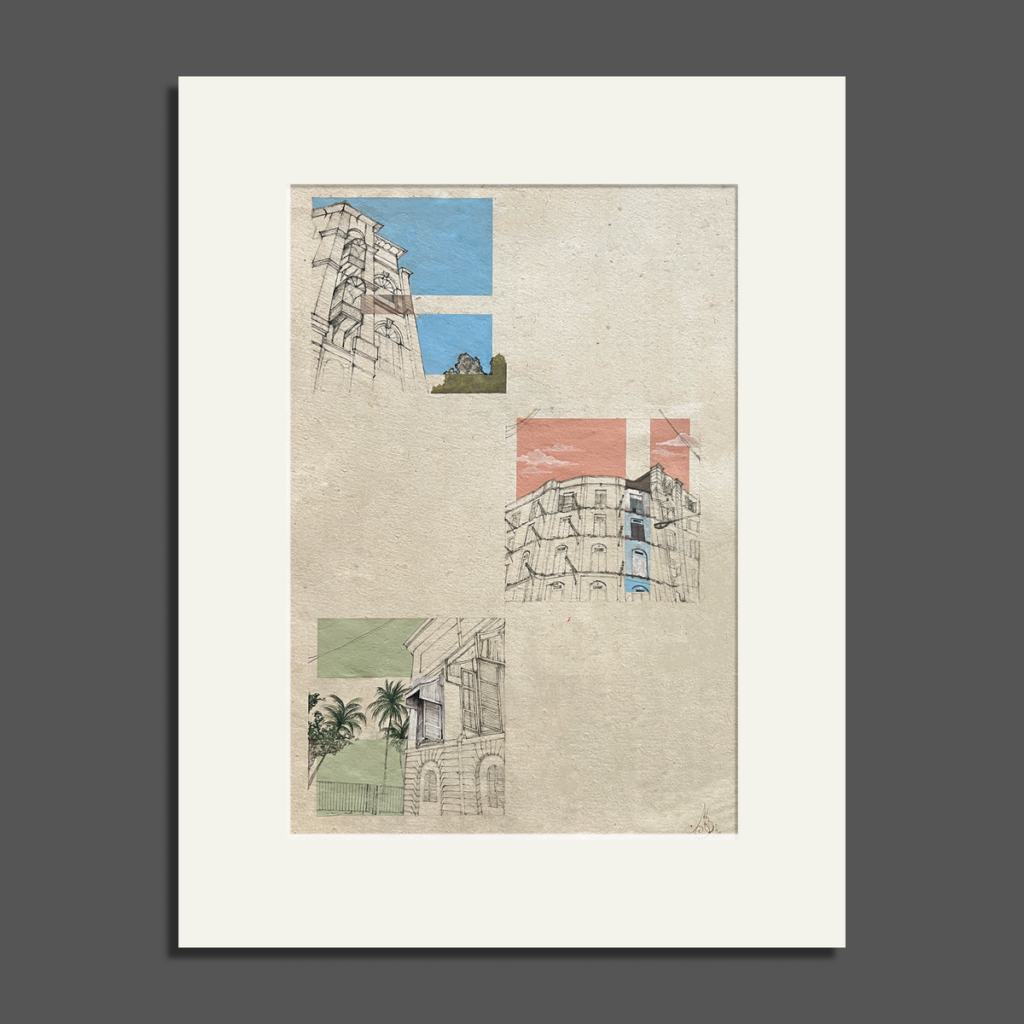
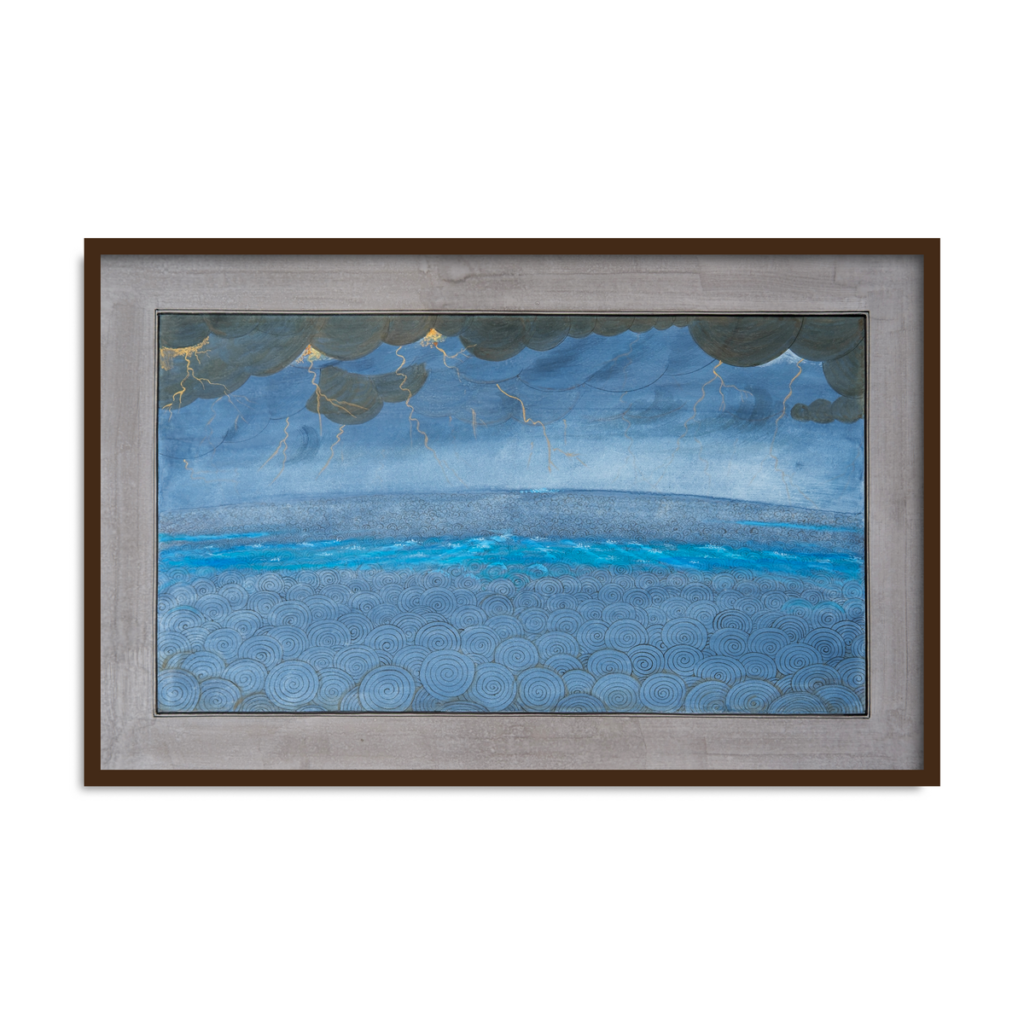
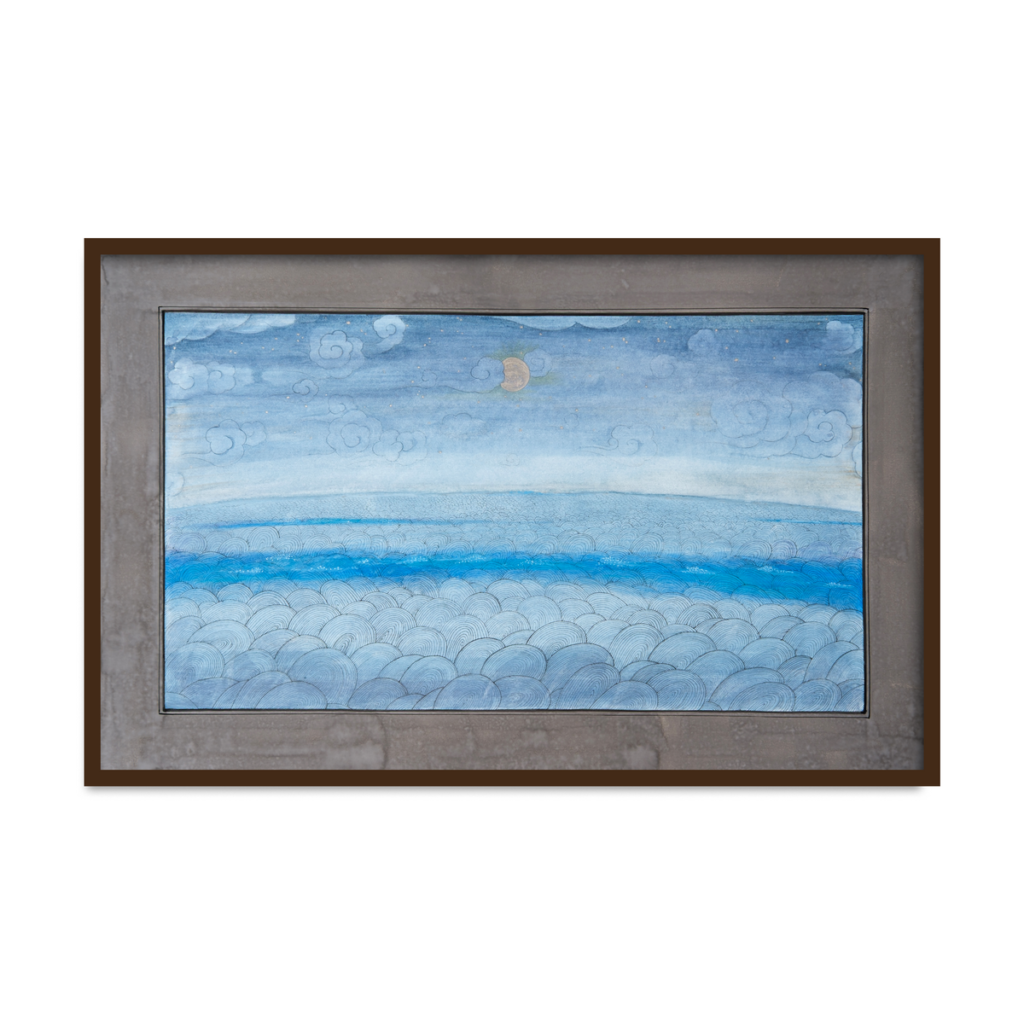
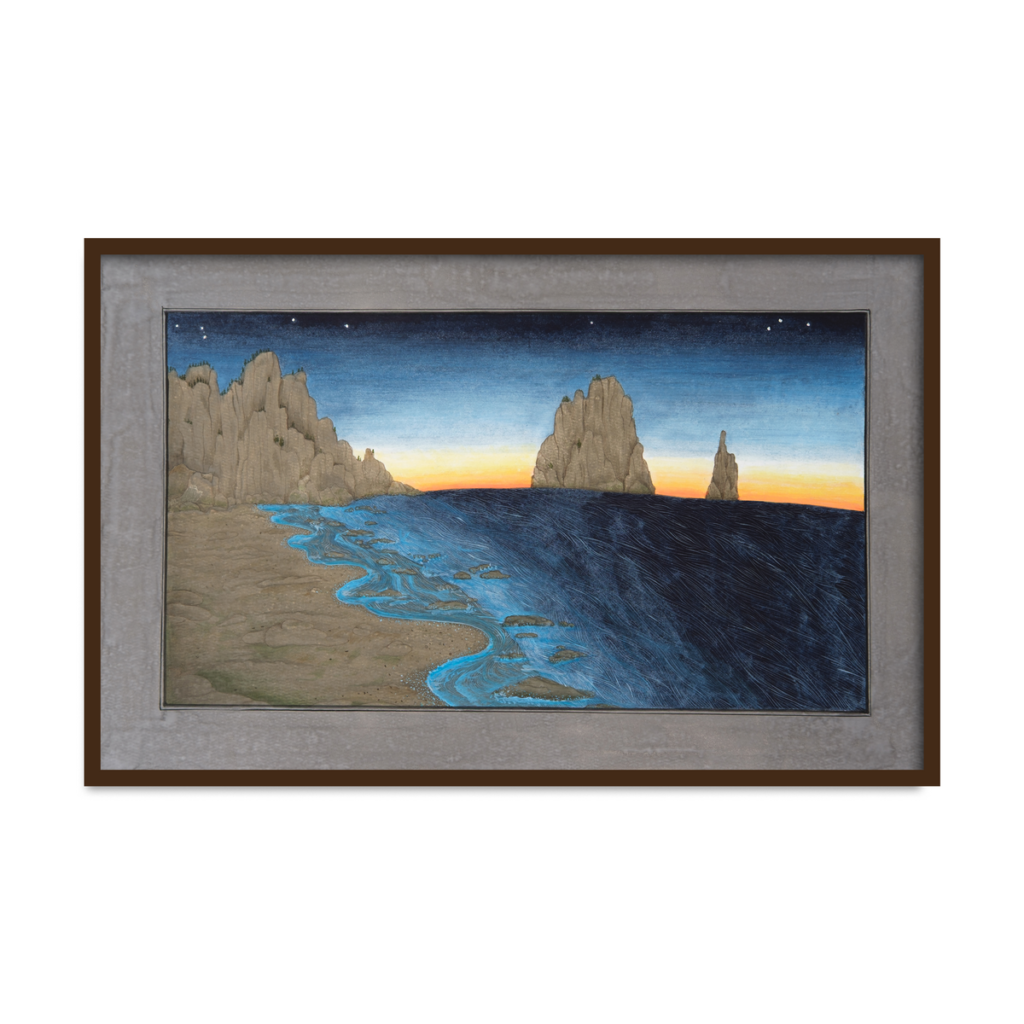
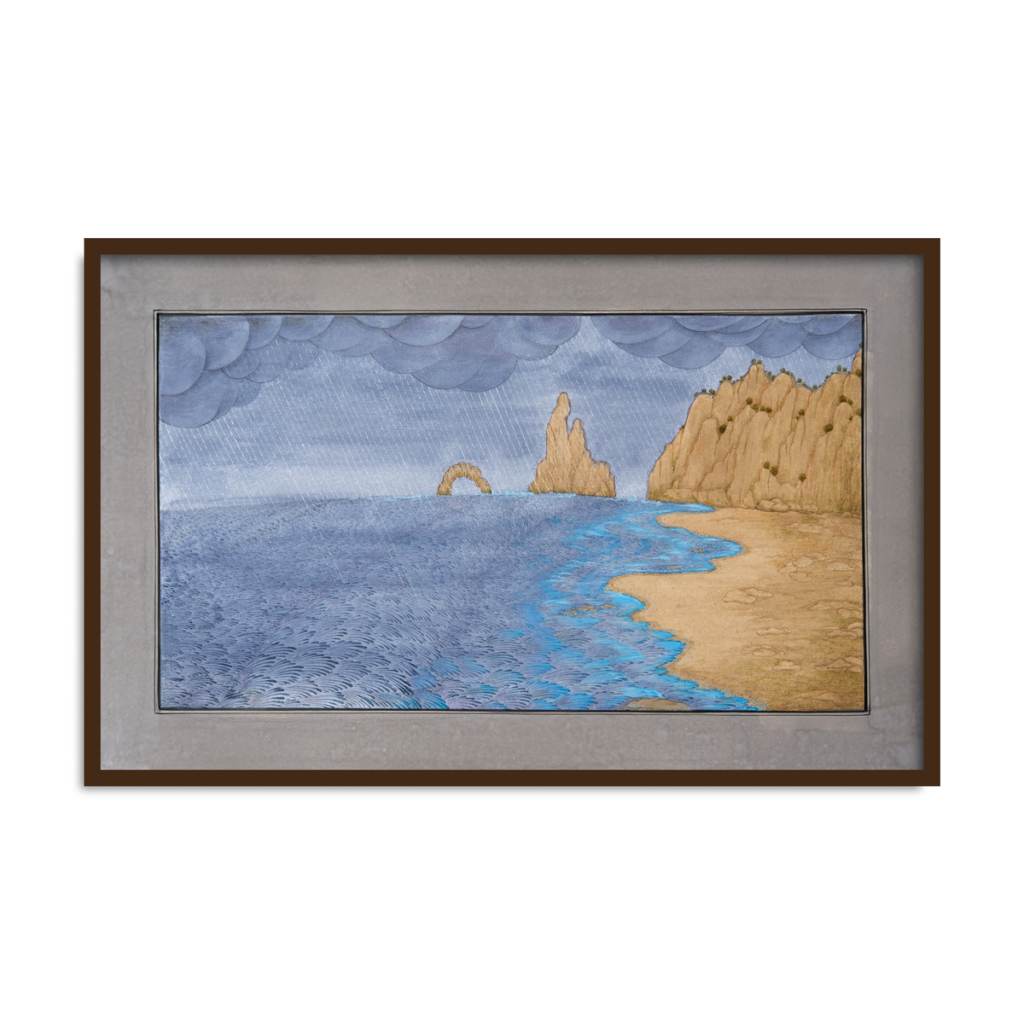
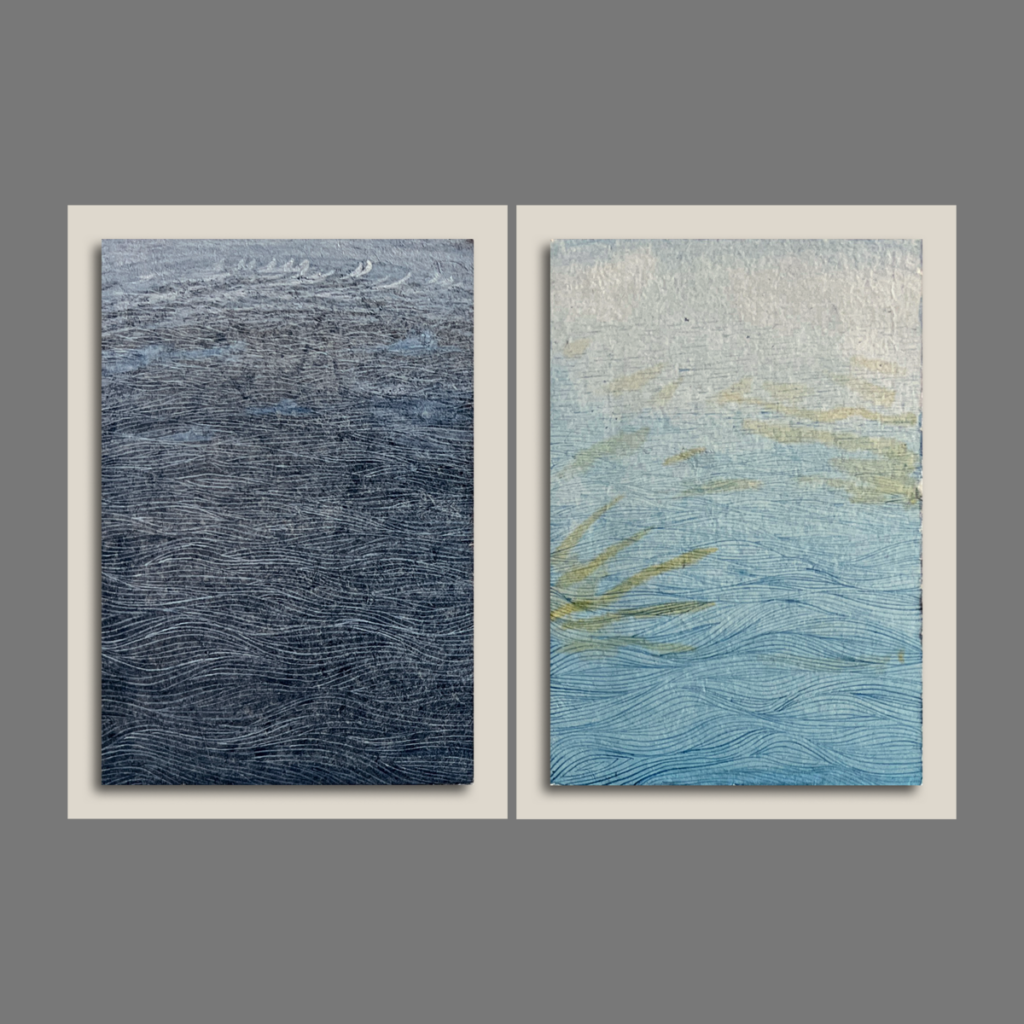
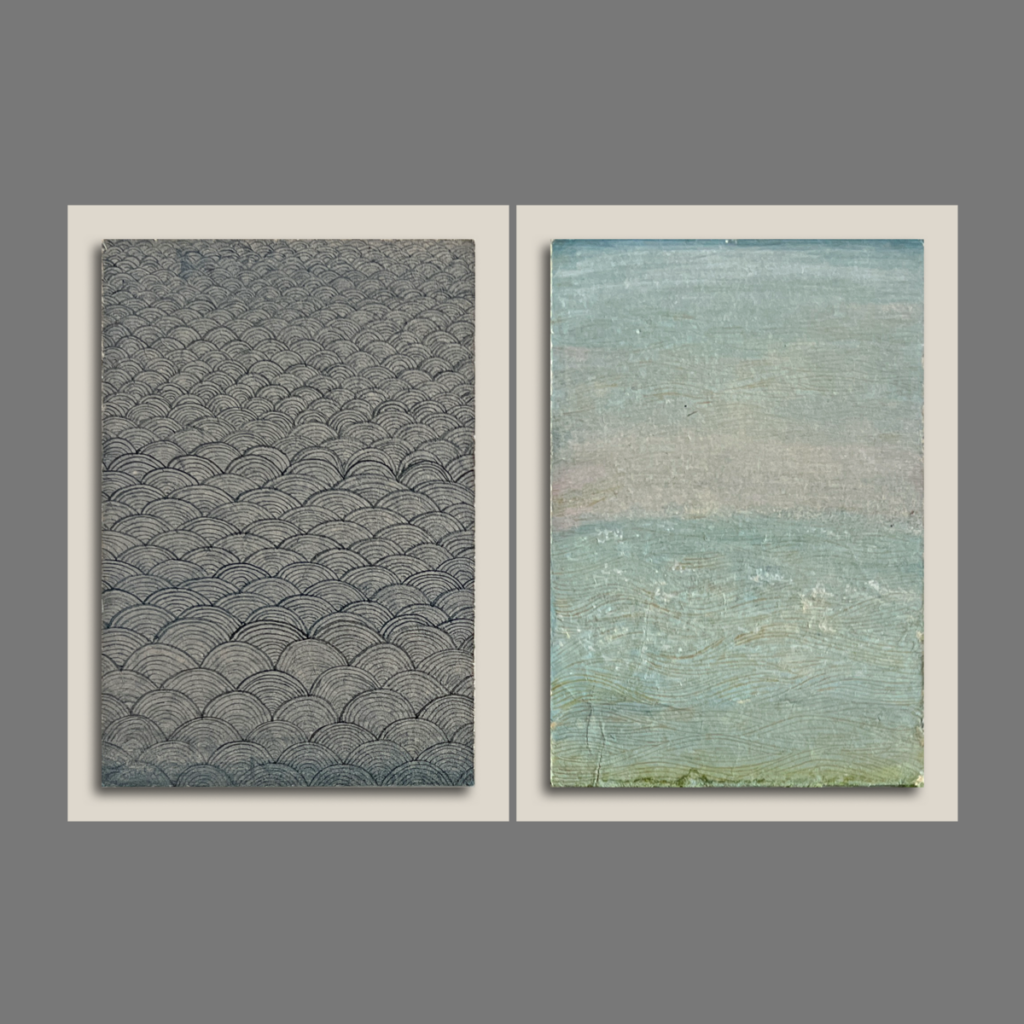
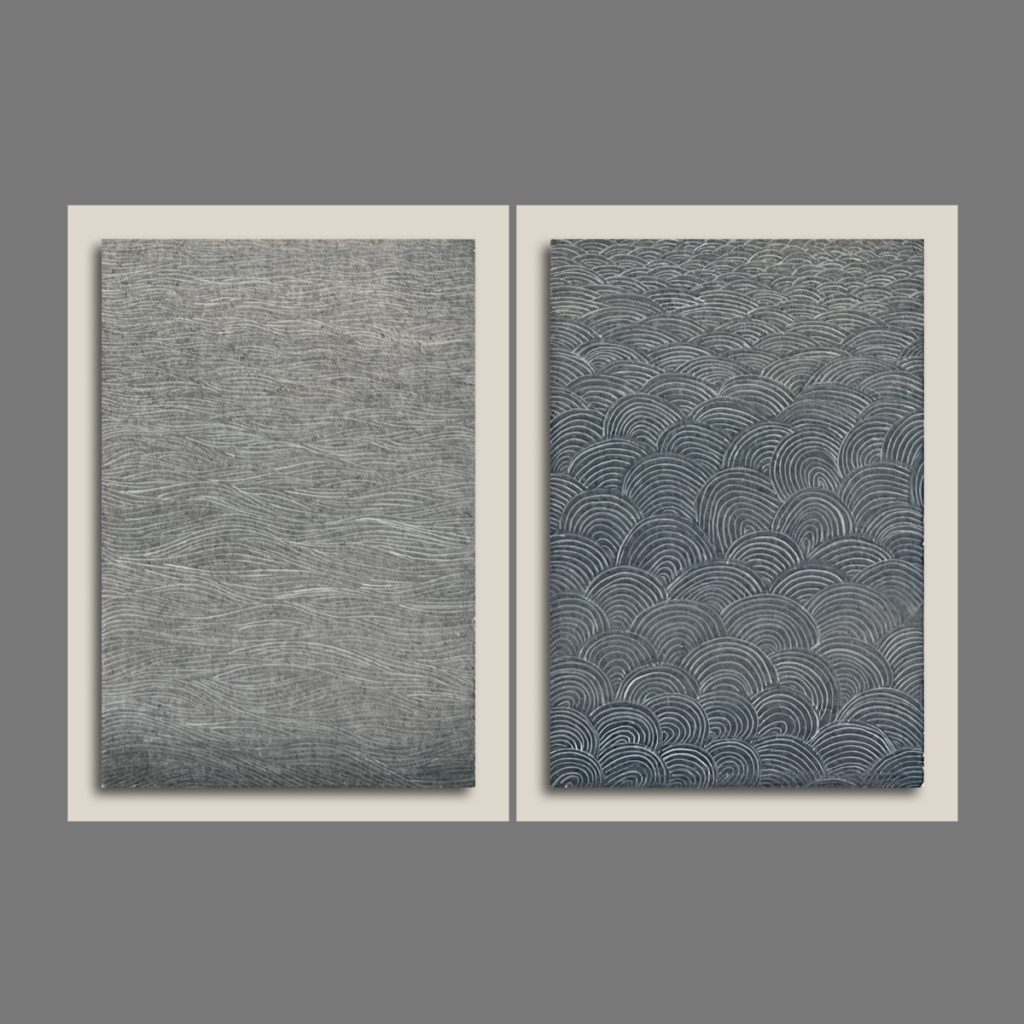
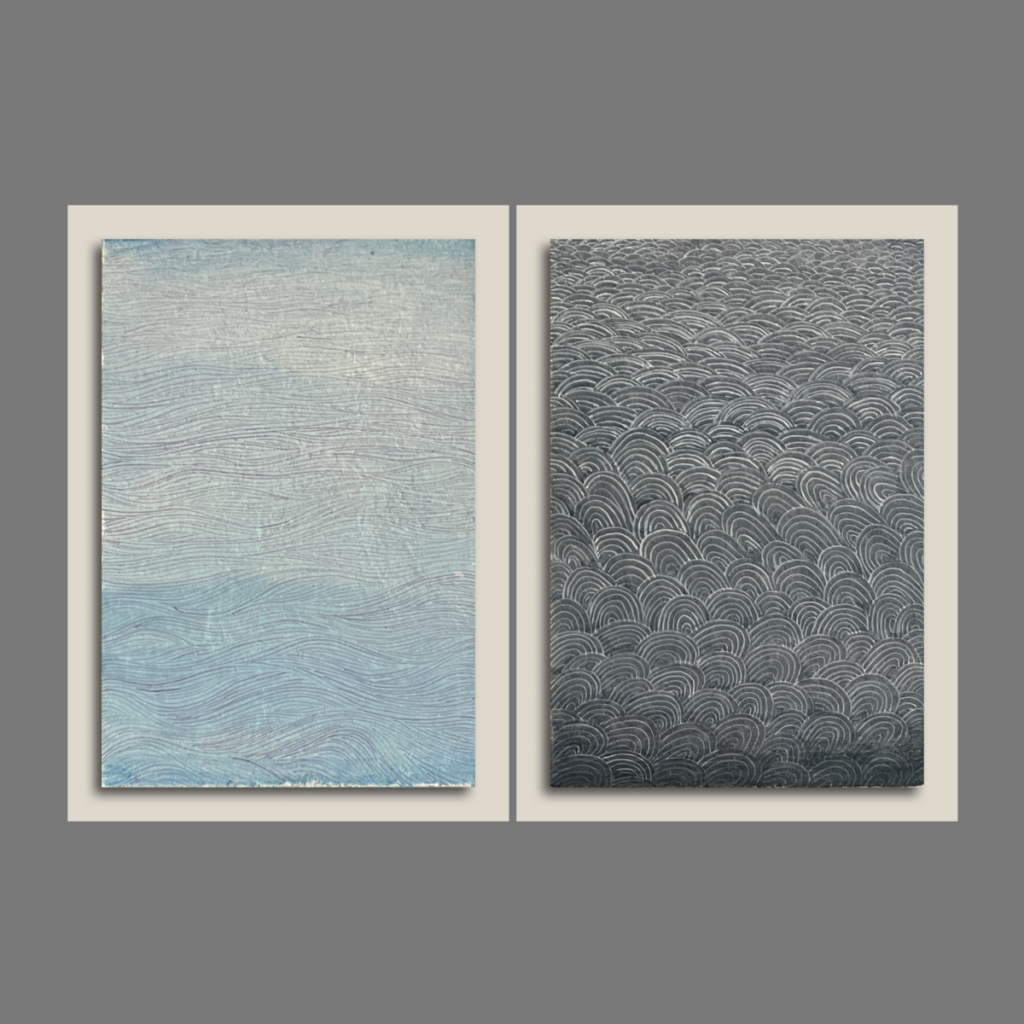
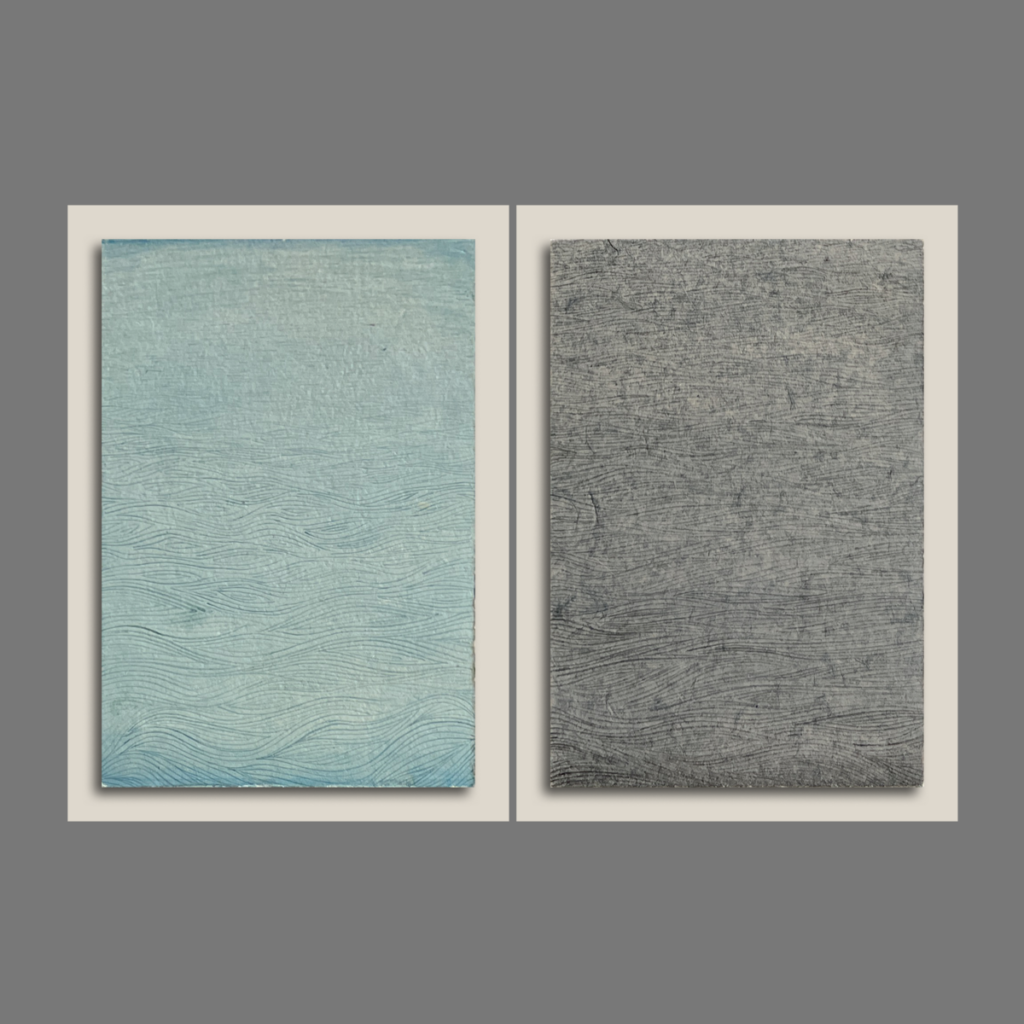
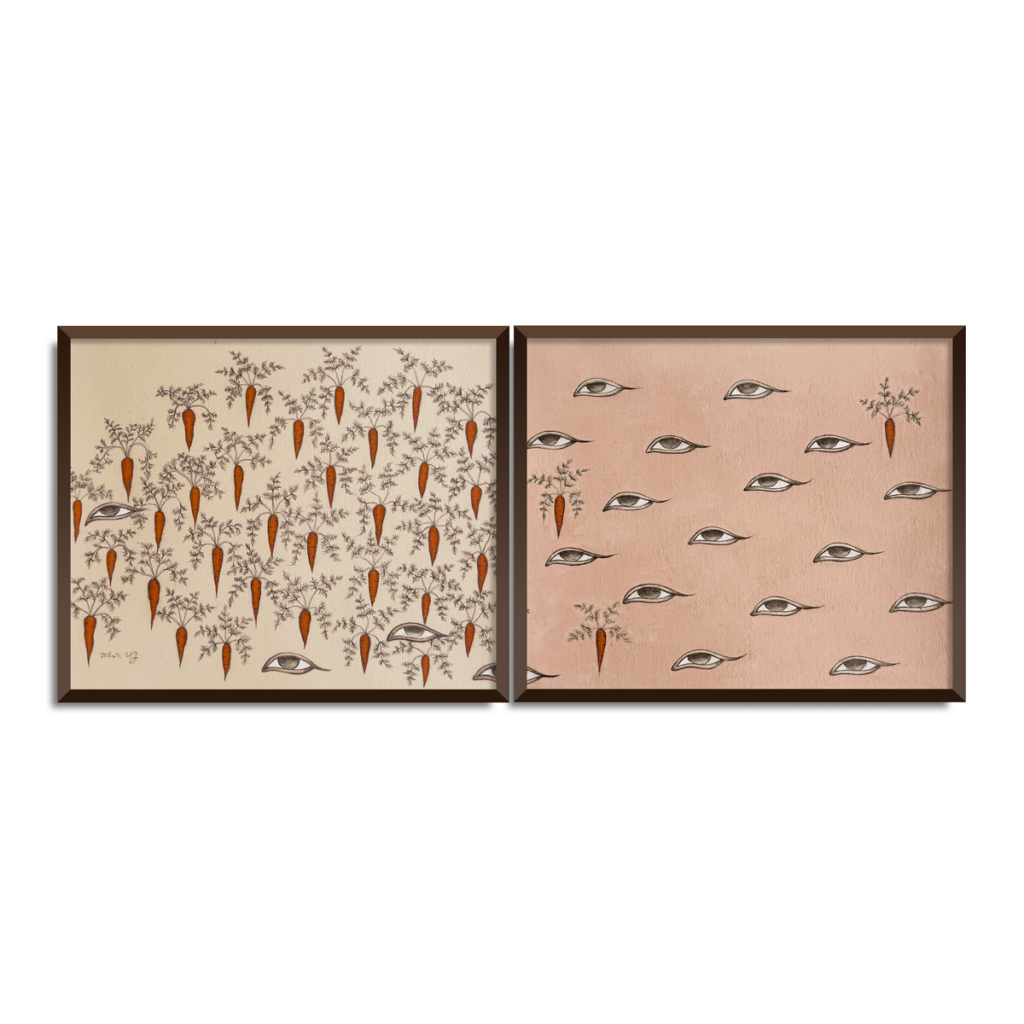
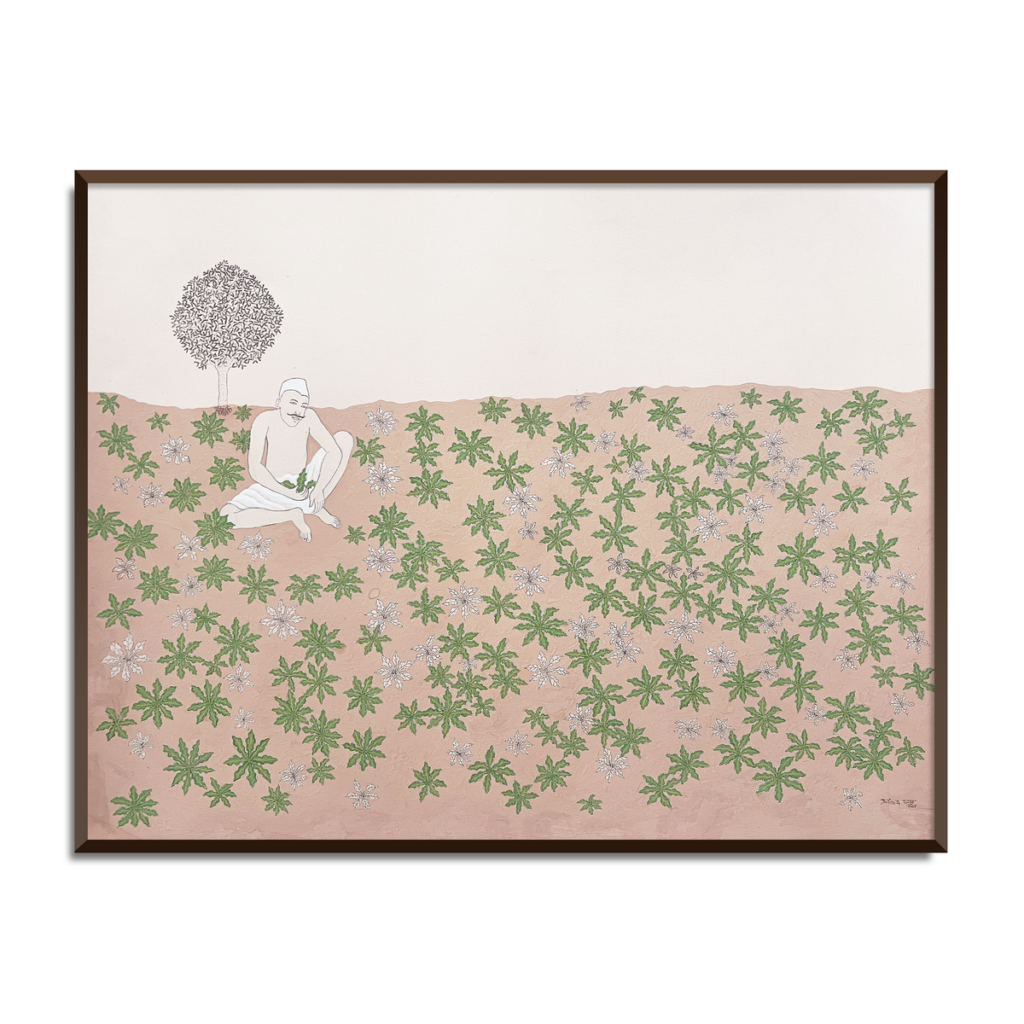
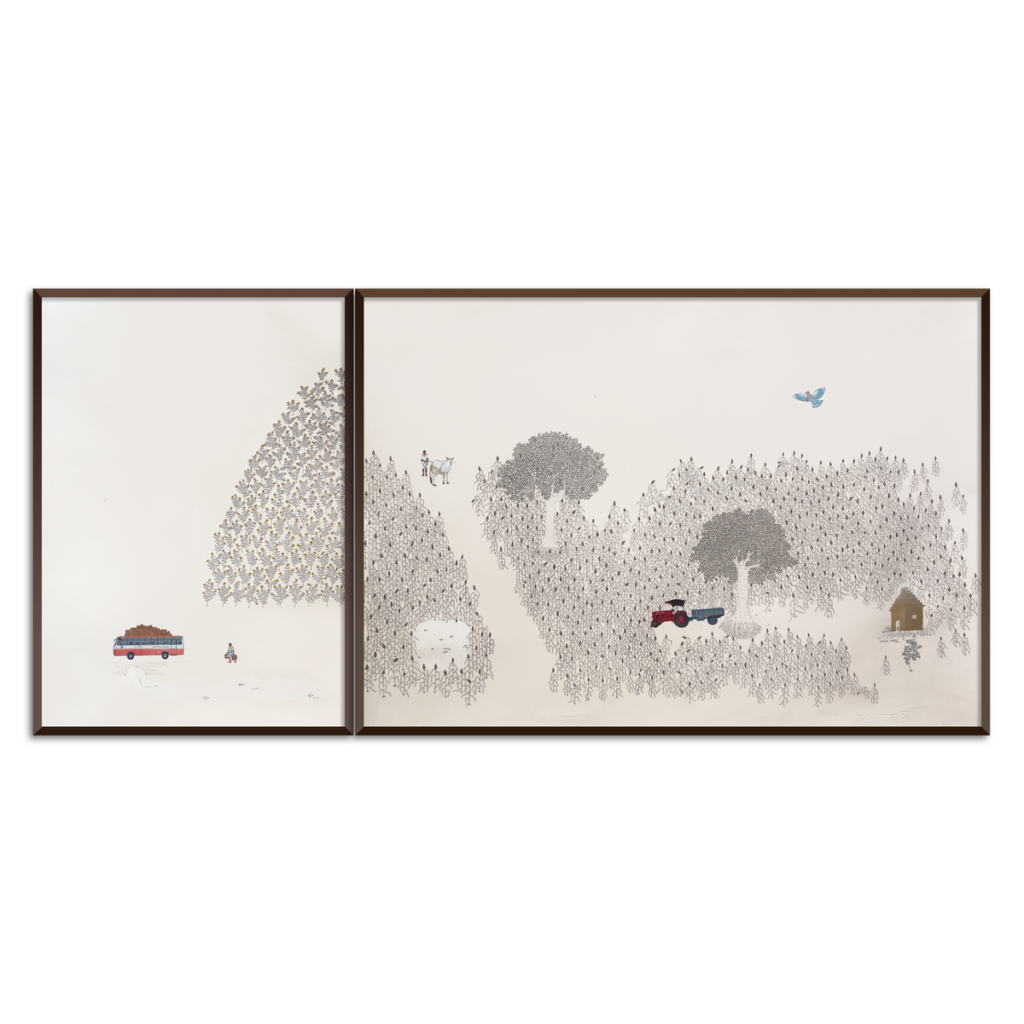
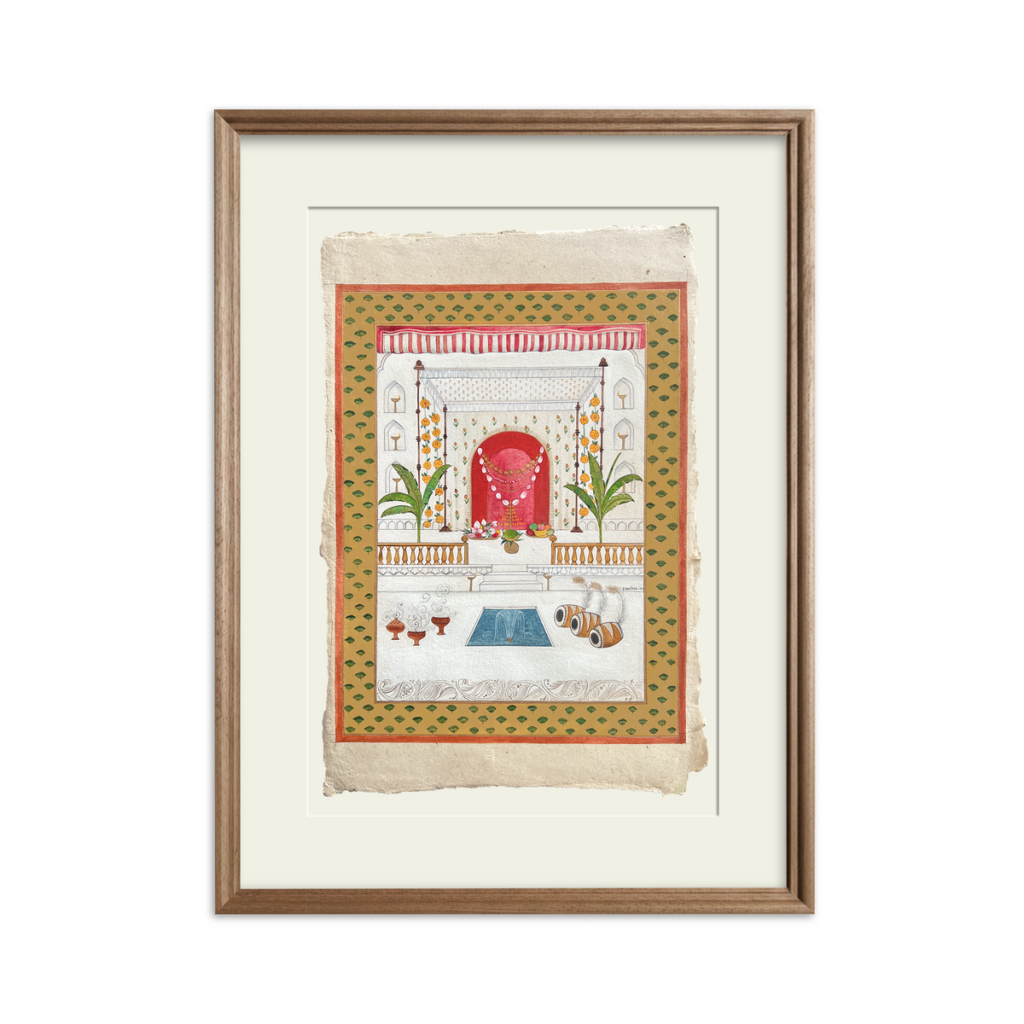
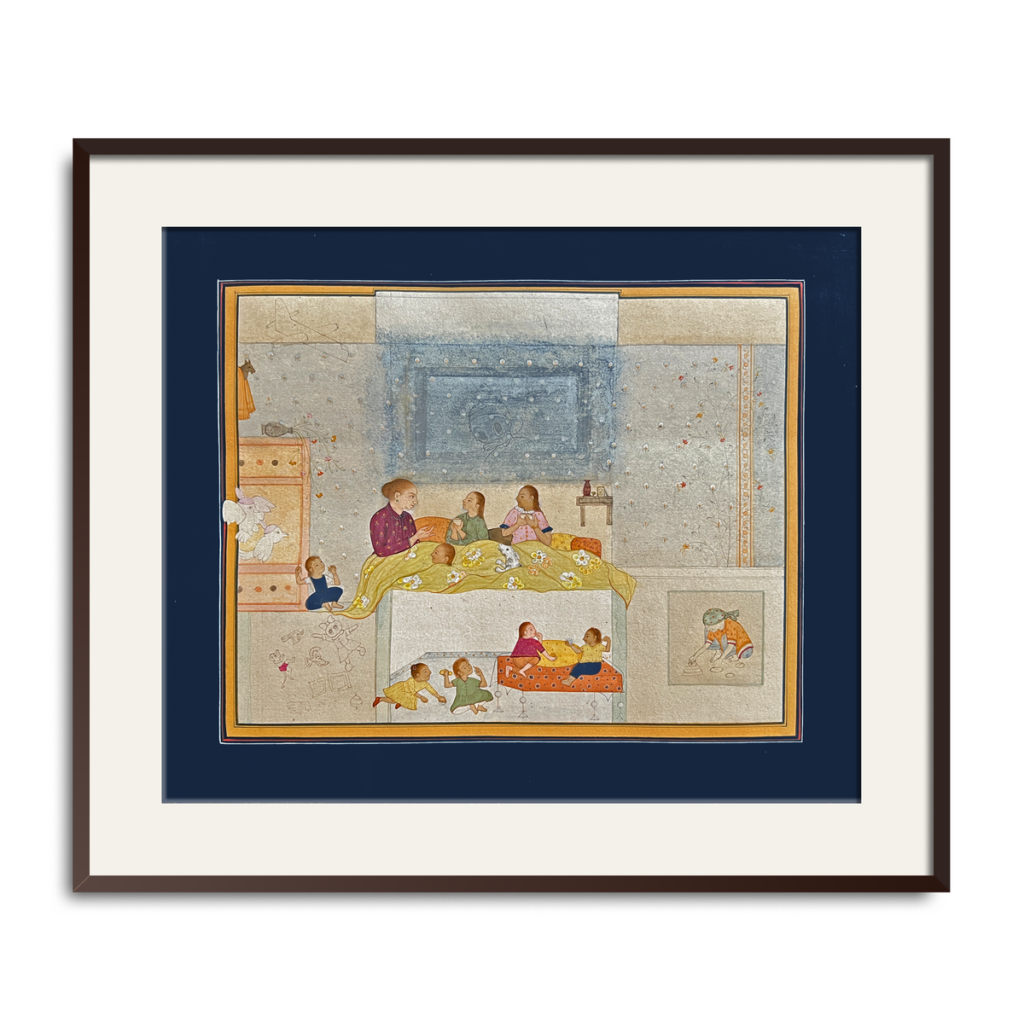
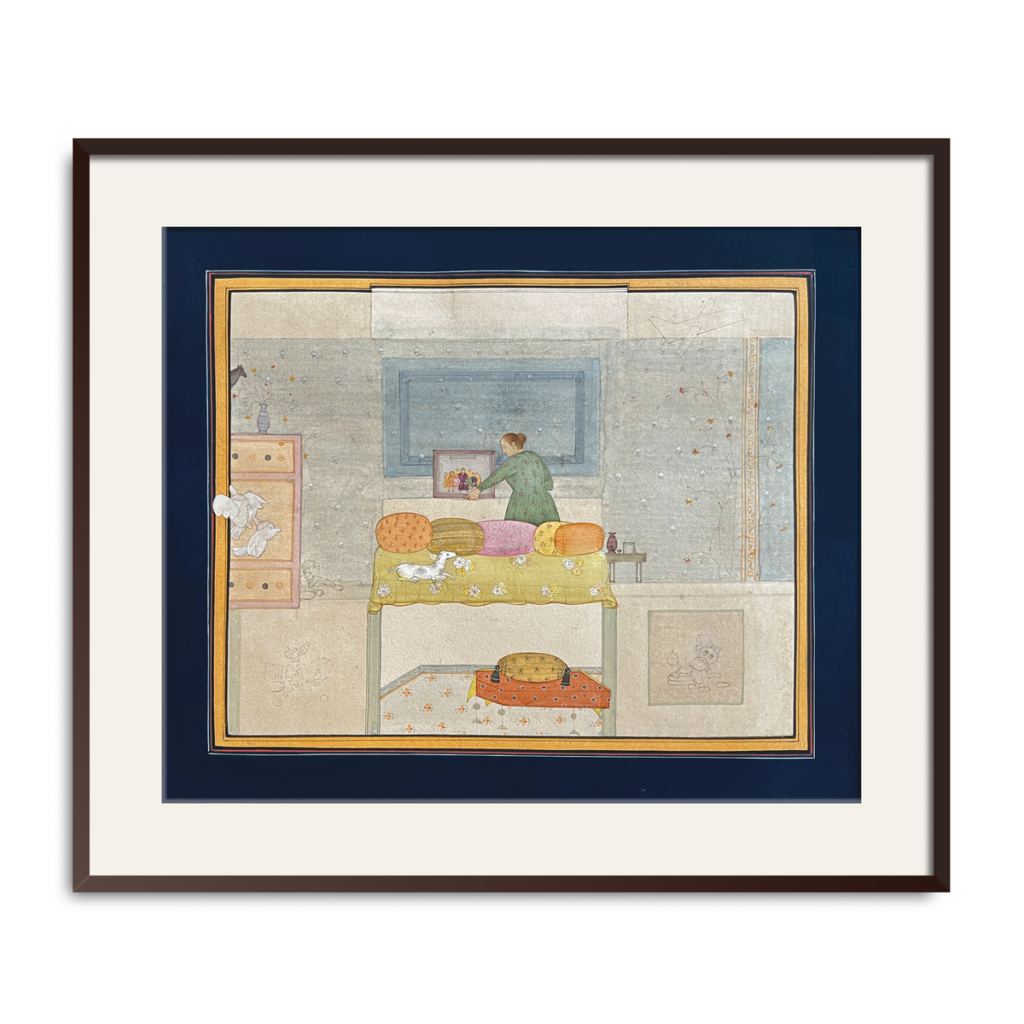
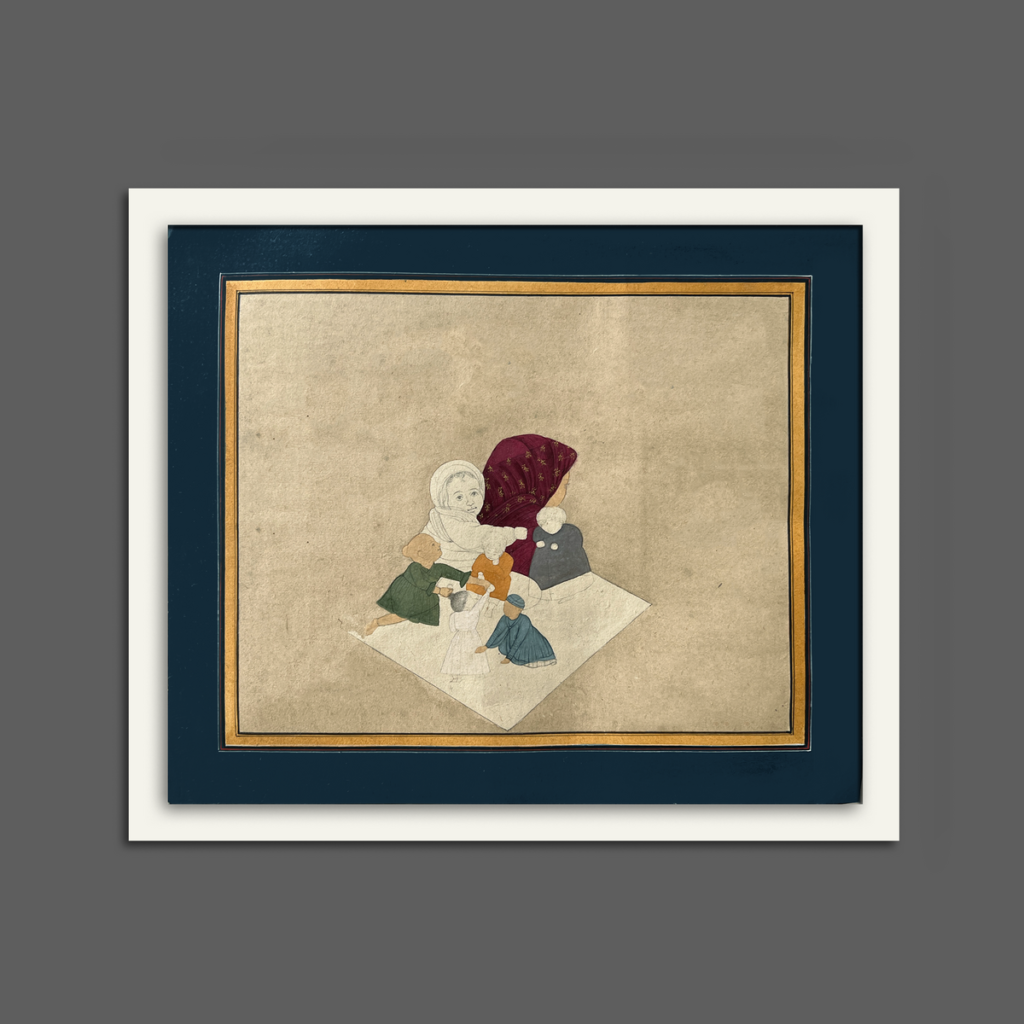
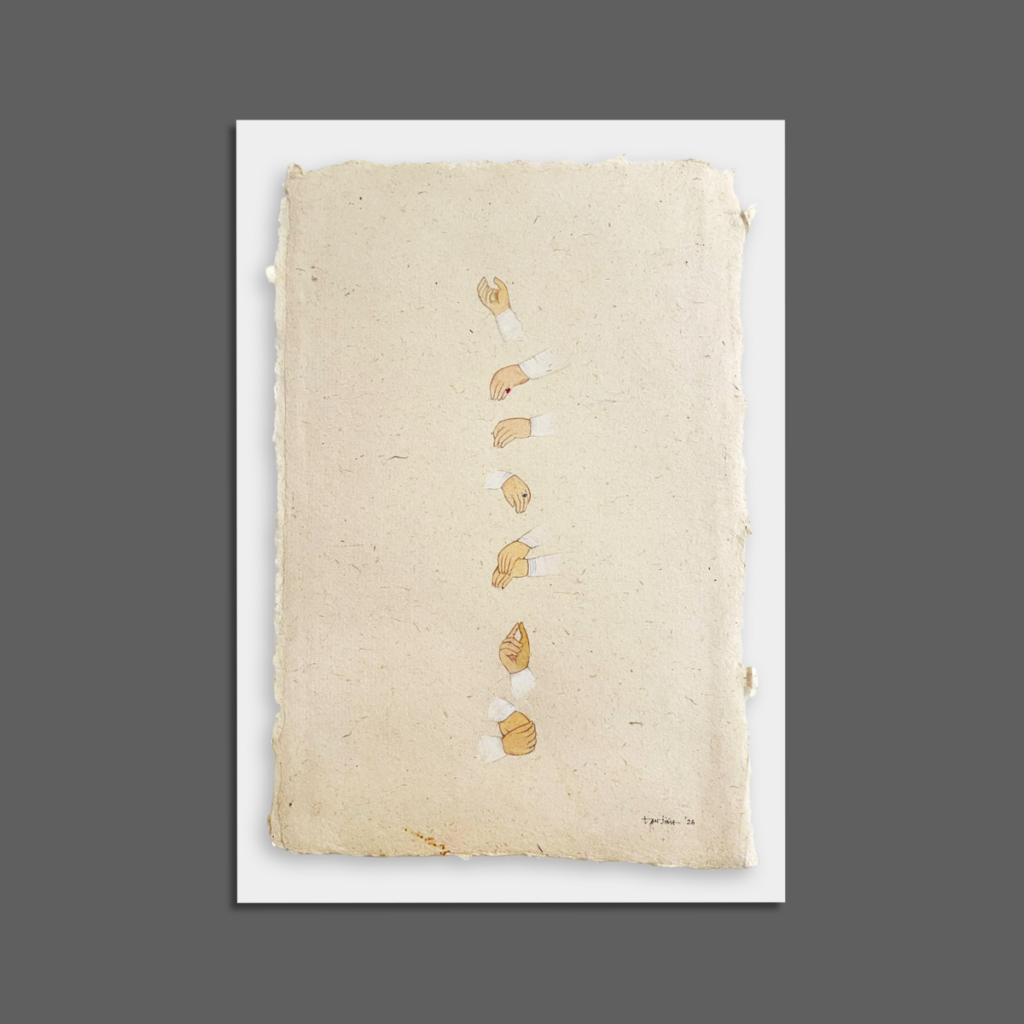
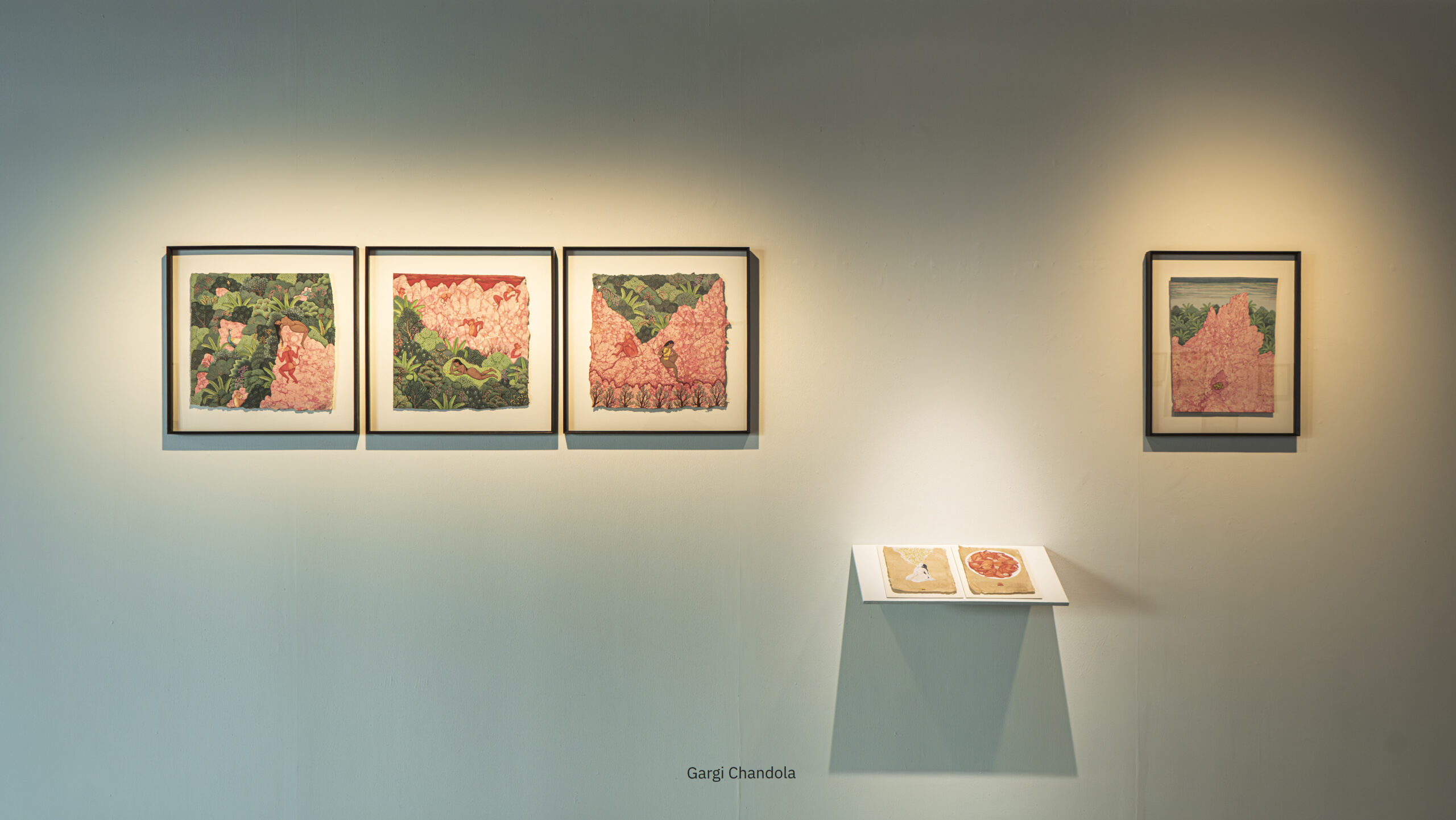
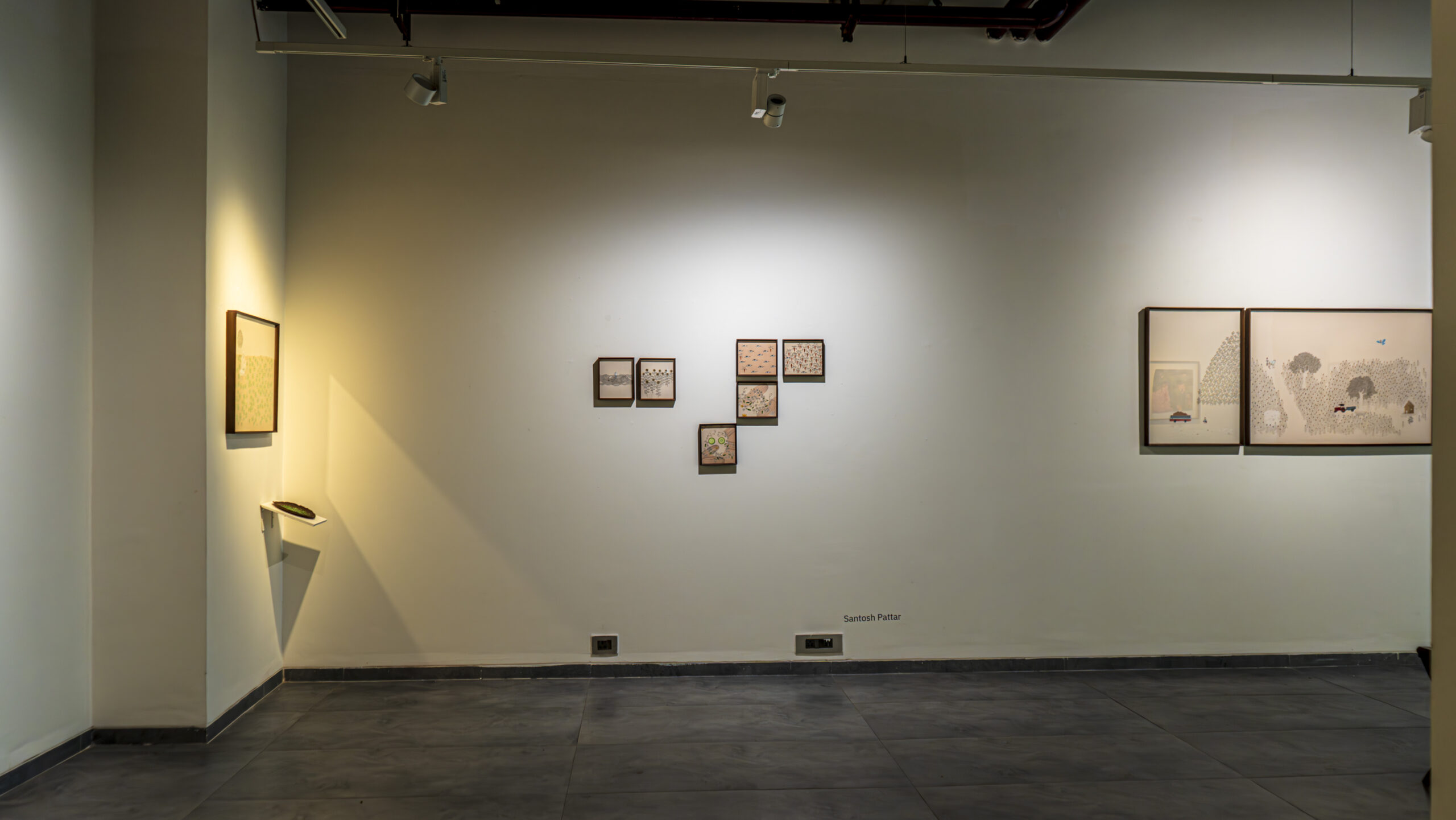
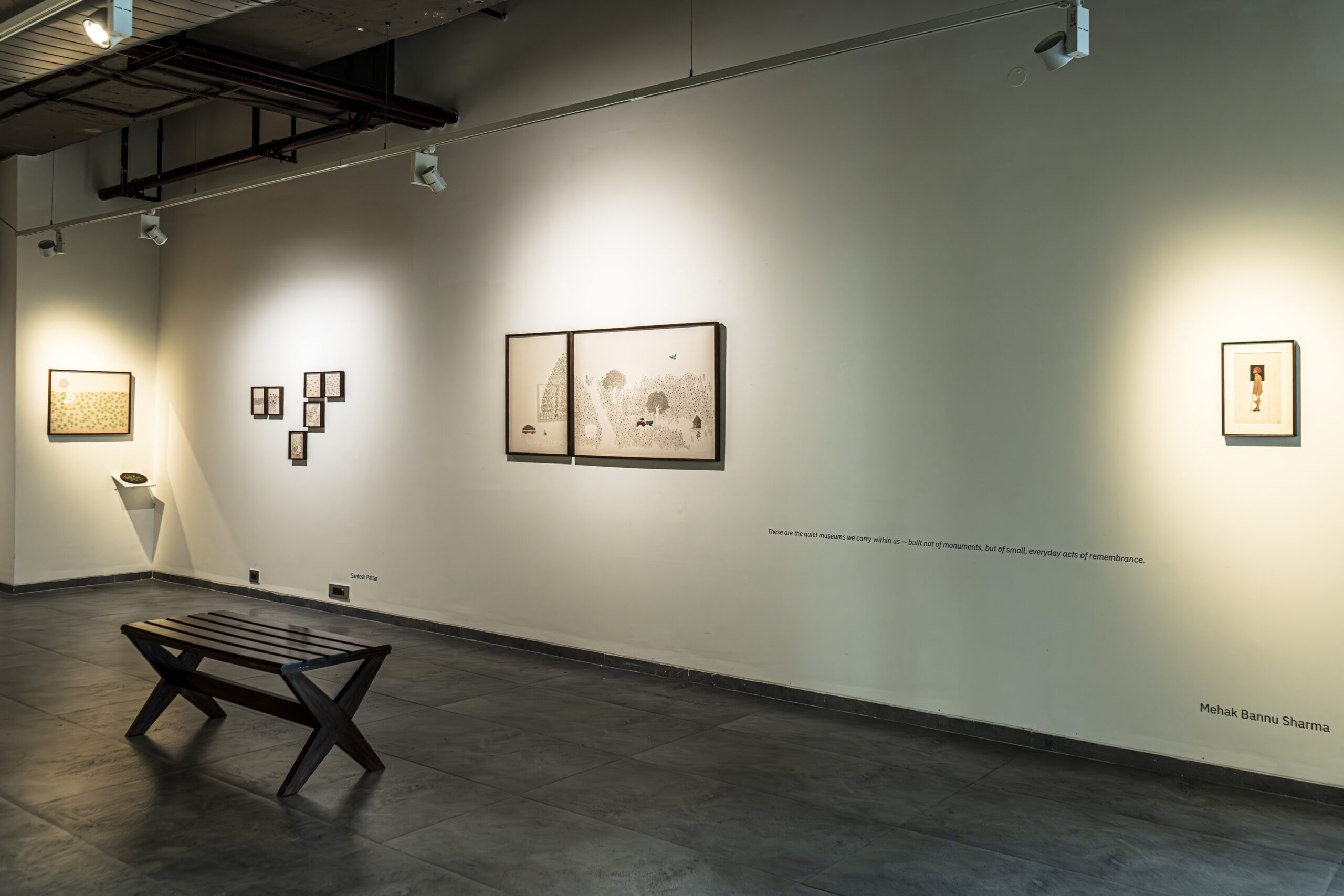
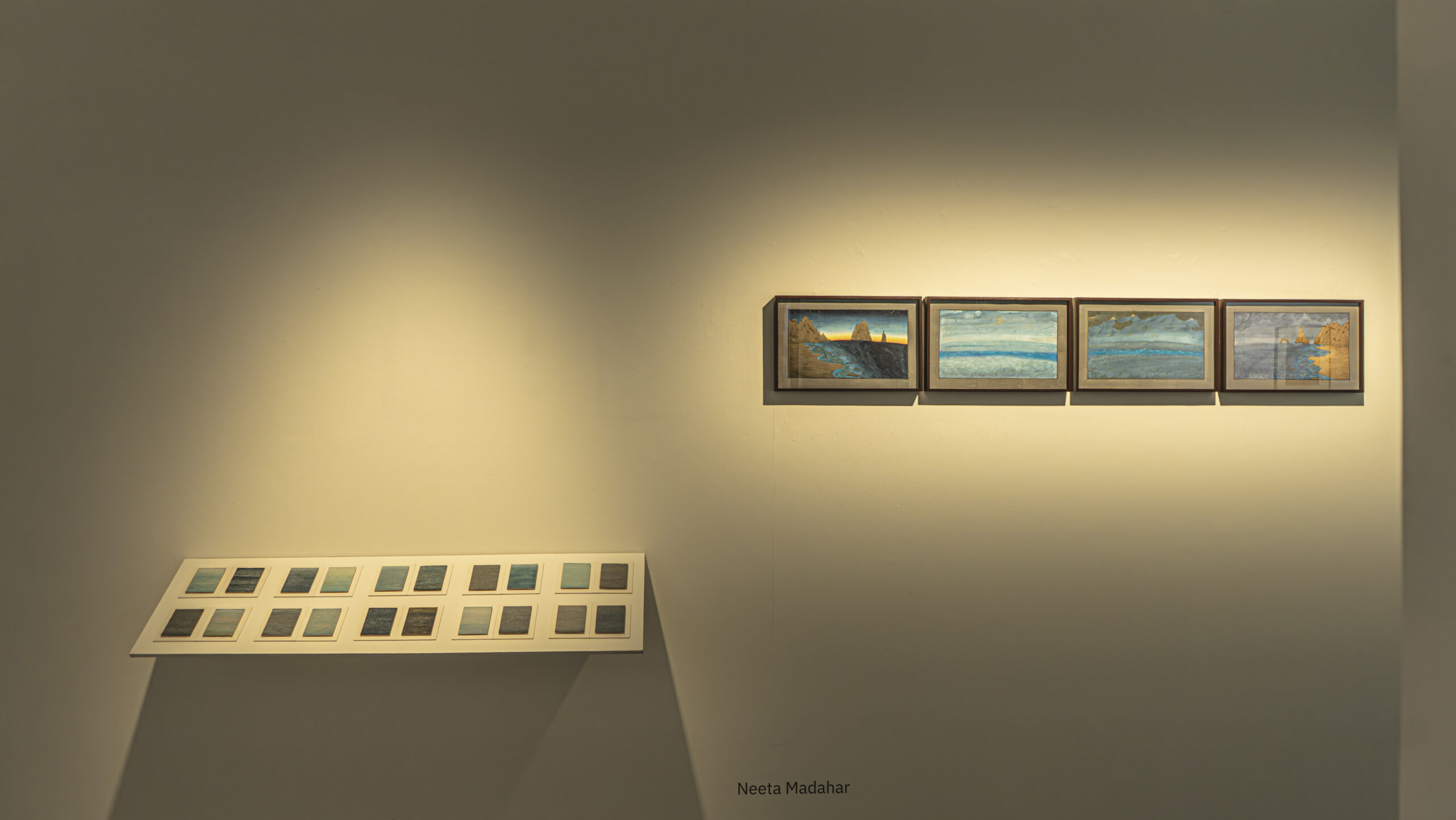
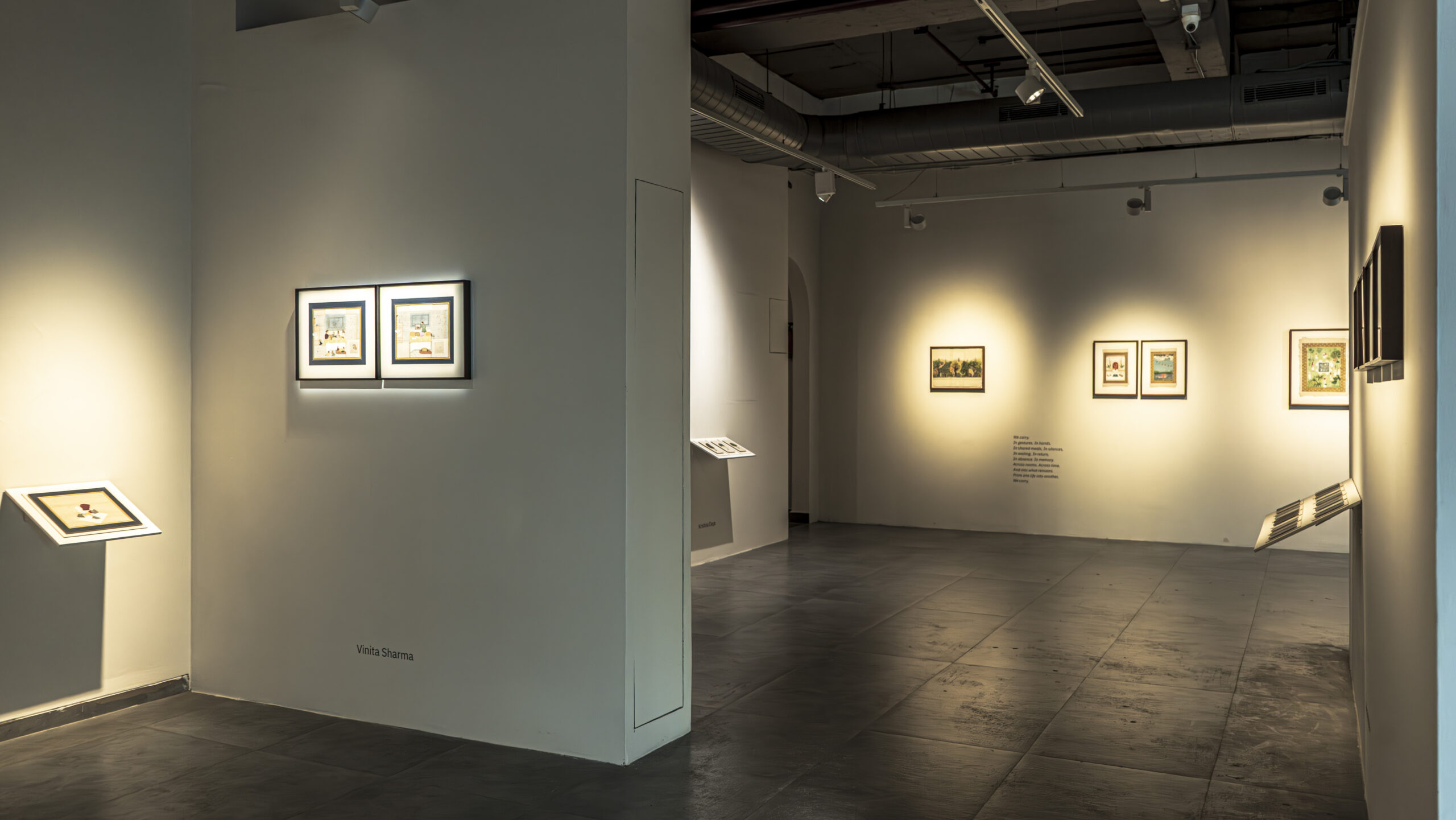
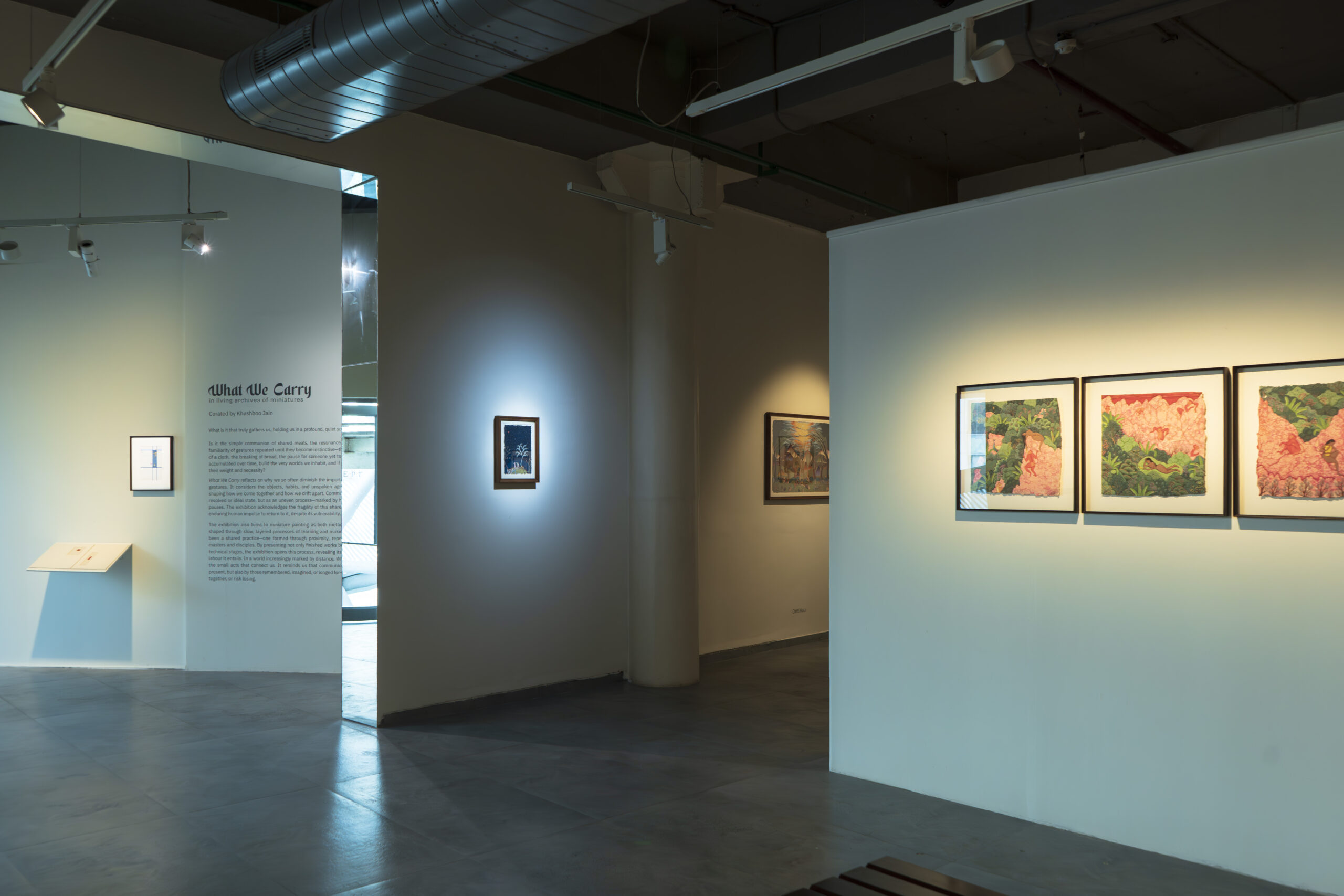
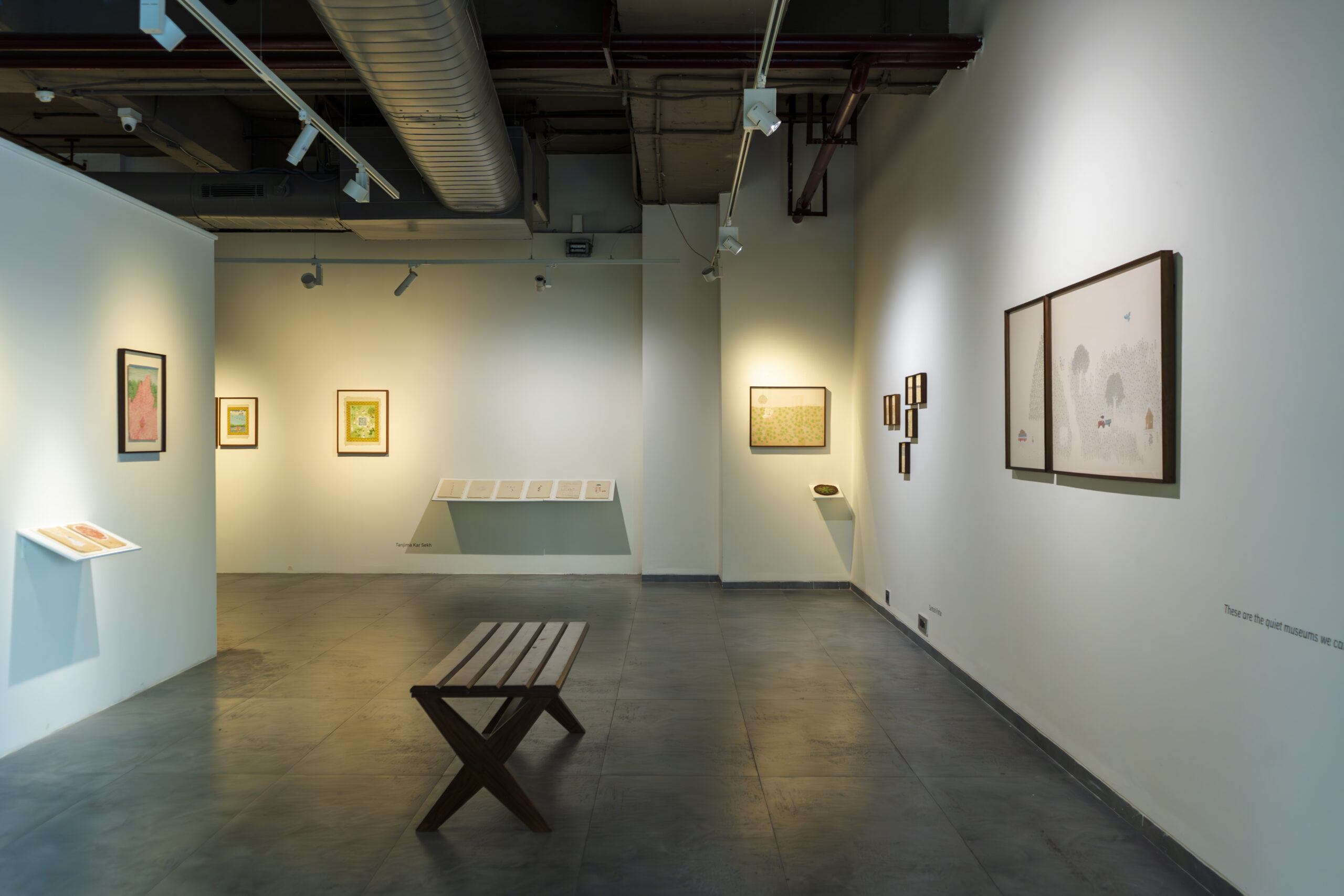
As part of this inquiry, the exhibition also turns to the practice of miniature painting. Traditionally shaped by stylised methods of learning and making, it is a form built slowly through layers of pigment and surface. Miniature painting has long been a shared pursuit, with masters and disciples working side by side, exchanging skill and space, shaping a sense of community through practice. This exhibition opens that process by showing not only finished images but also studies, fragments, and technical stages that reveal the many layers of the form. In doing so, it becomes another kind of communion, between artists and traditions.
In a world marked by distance, the showcase reminds us of the small acts that connect us. It realises us of a communion not only about who is present but also who is remembered, imagined, or longed for. It is about what we hold together and what we risk losing if we do not.