Loading Events

Everything I Waited to Forget: A Solo Show by Km. Khushboo

November 1 @ 11:00 am - November 29 @ 6:00 pm

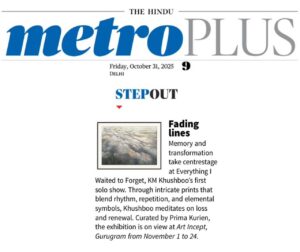
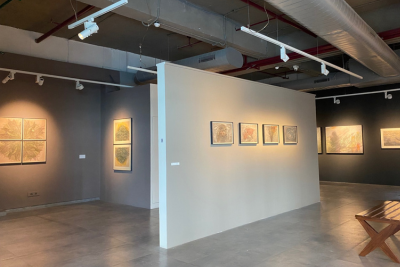
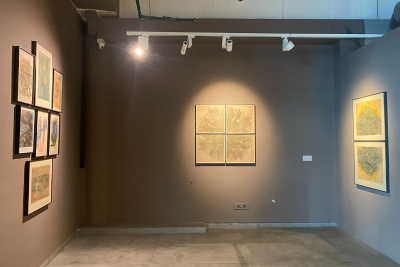
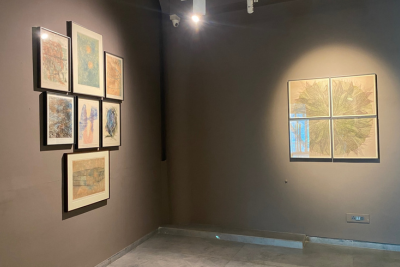
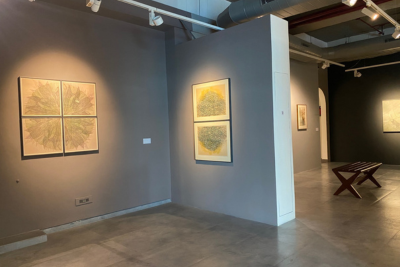
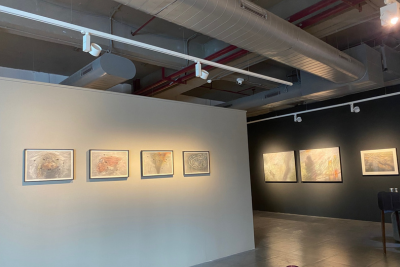
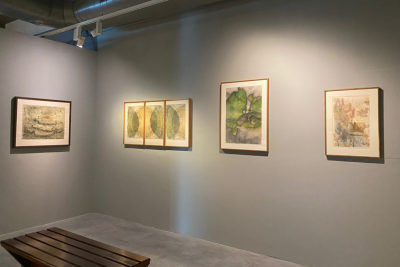
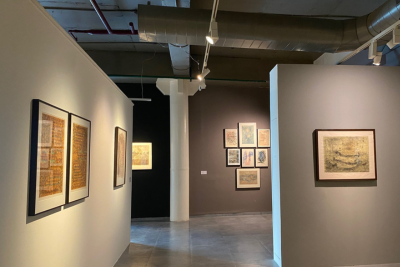
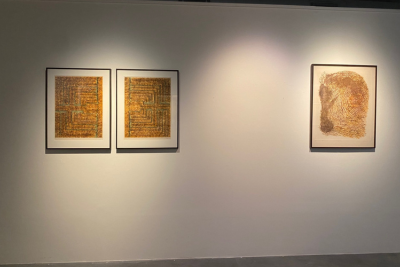
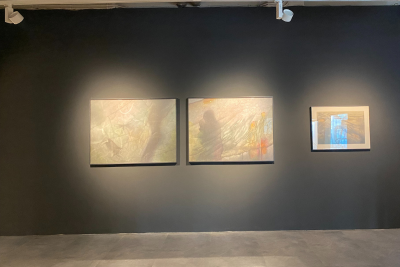
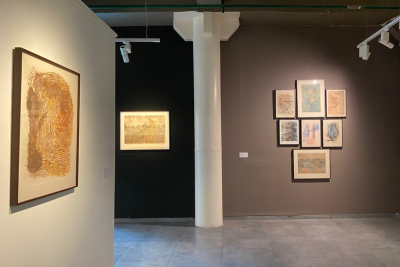
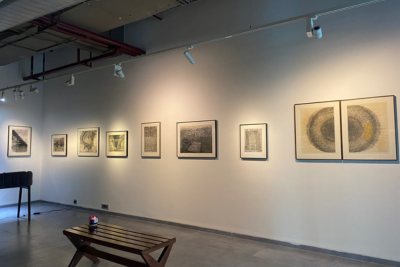
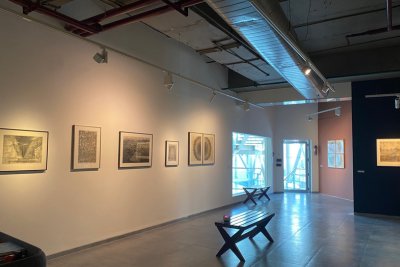
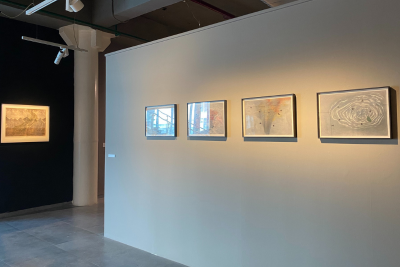
Art Incept is delighted to announce Everything I Waited to Forget, a solo exhibition by Km. Khushboo, Design and Edit by Prima Kurien. The exhibition brings together a body of prints that reflect her meditative engagement with life, death, and transformation.


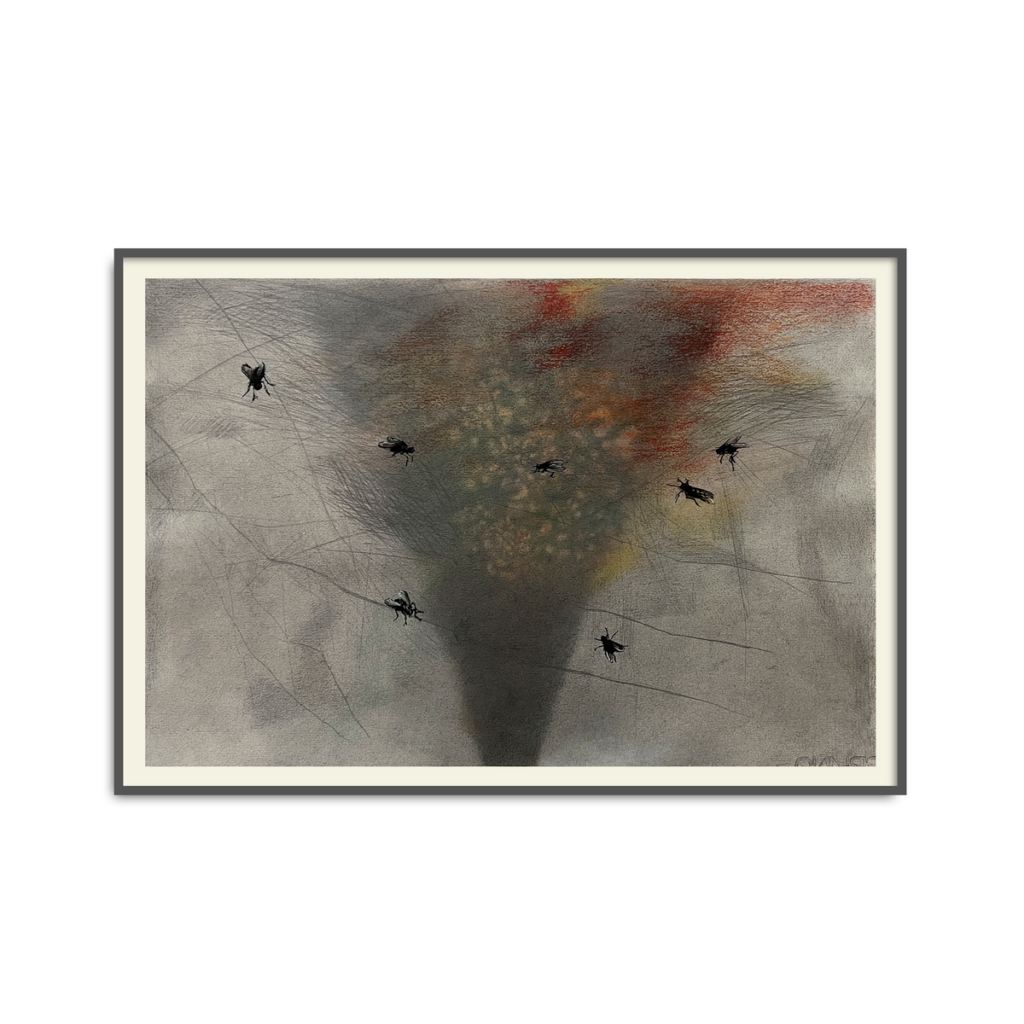
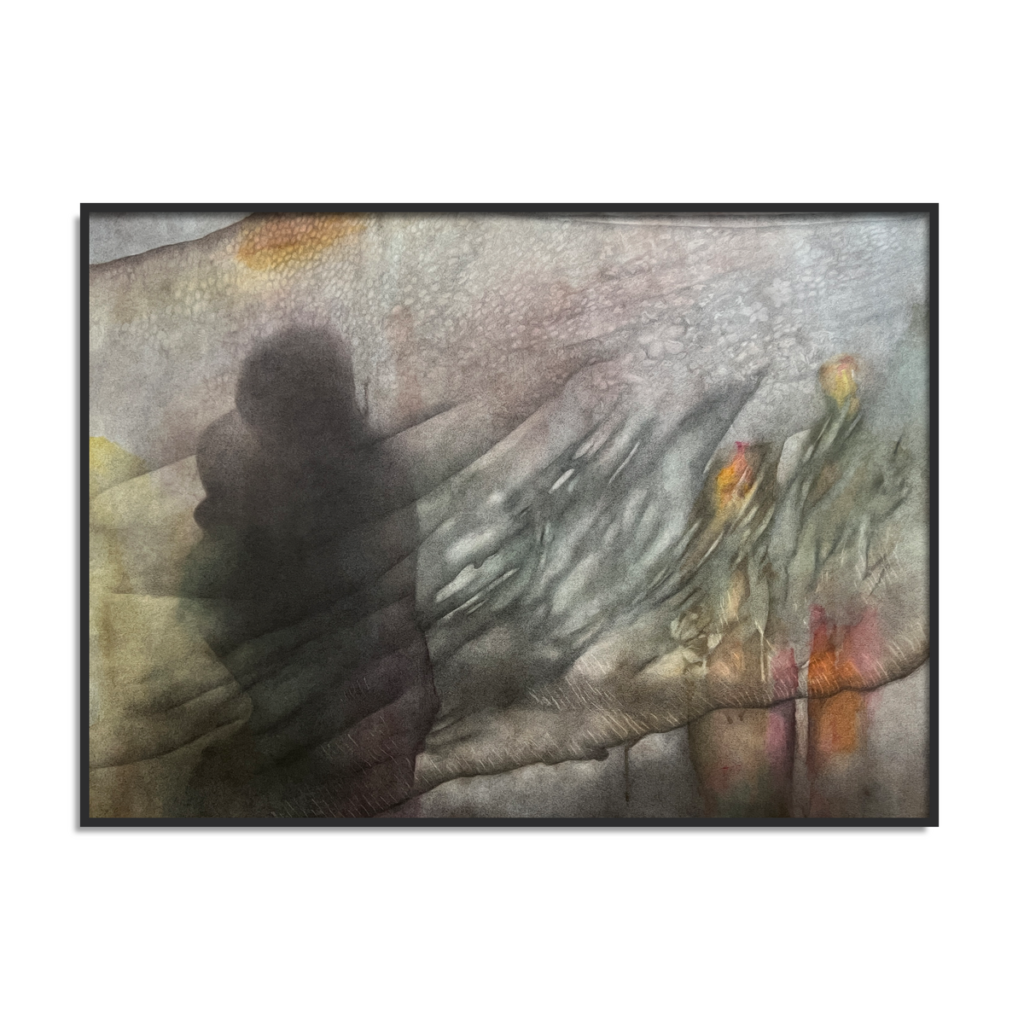
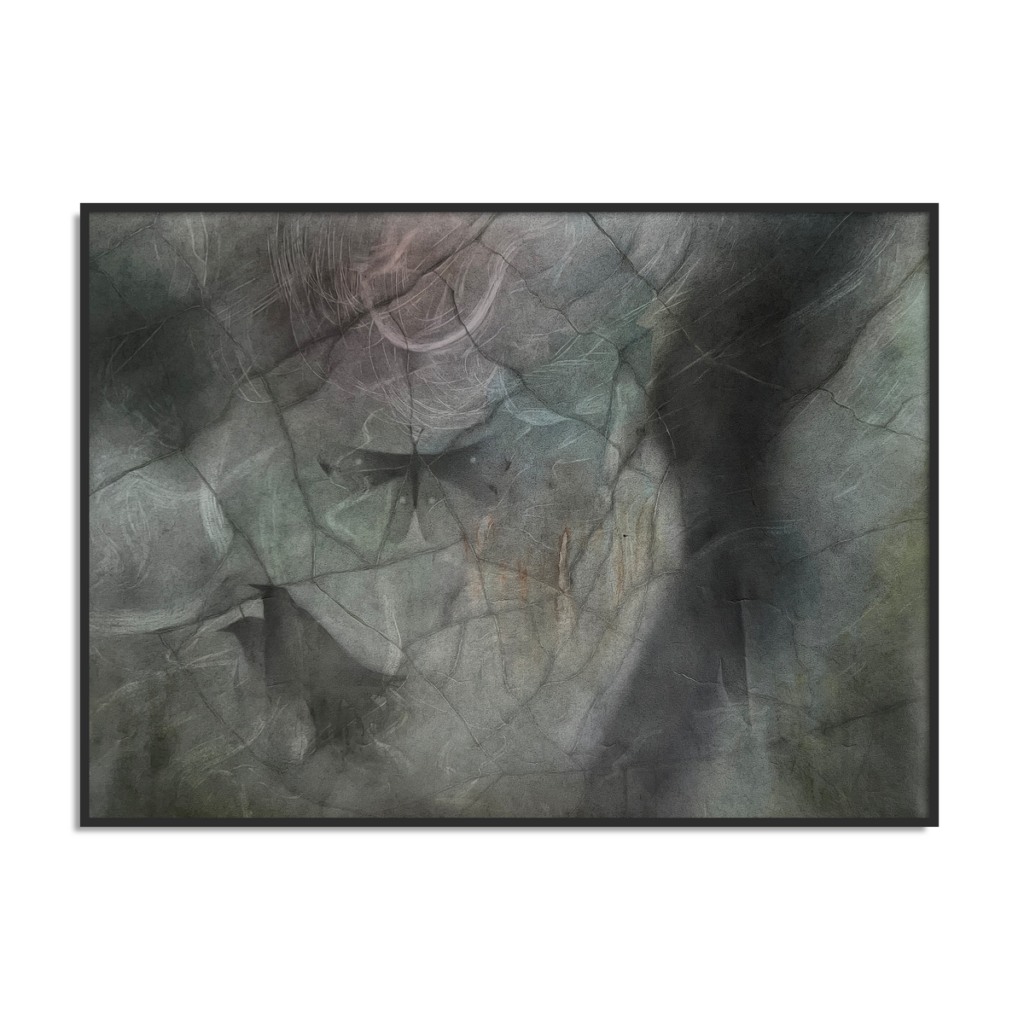
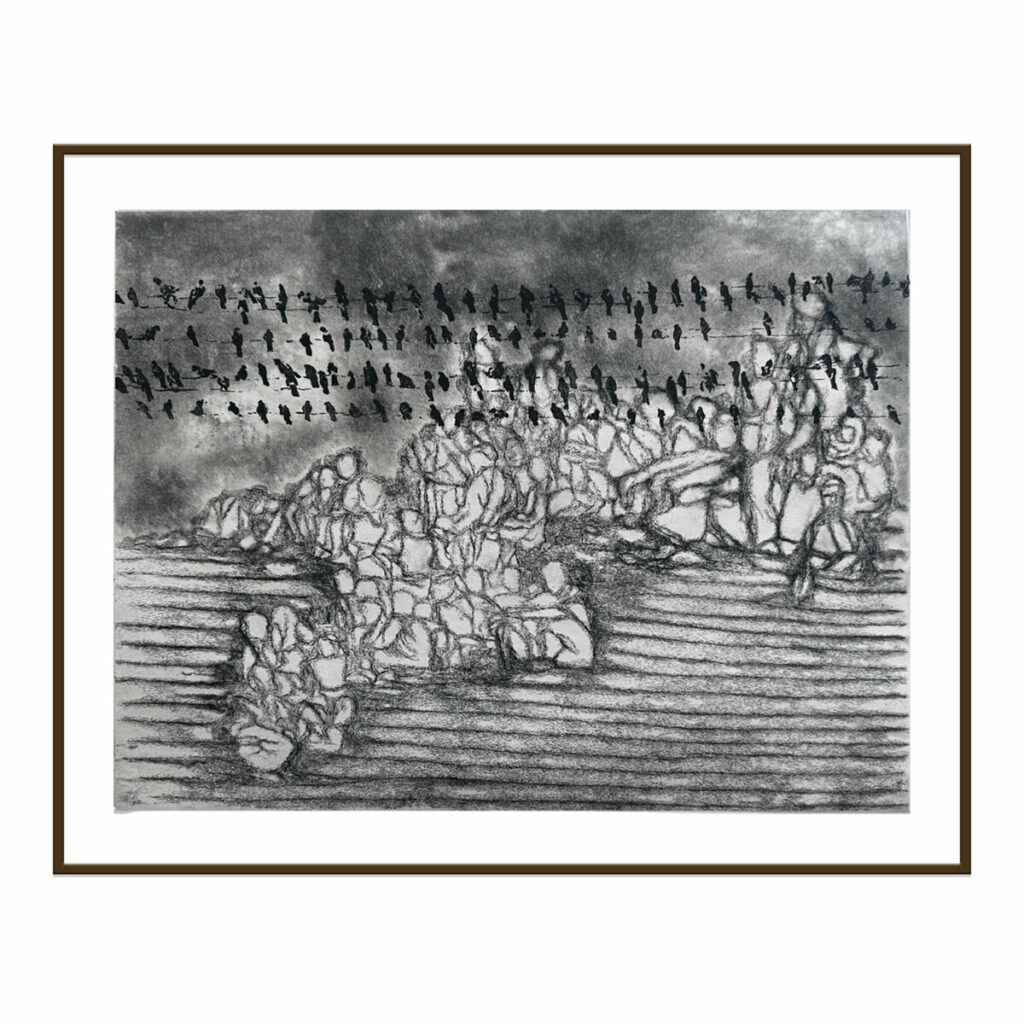
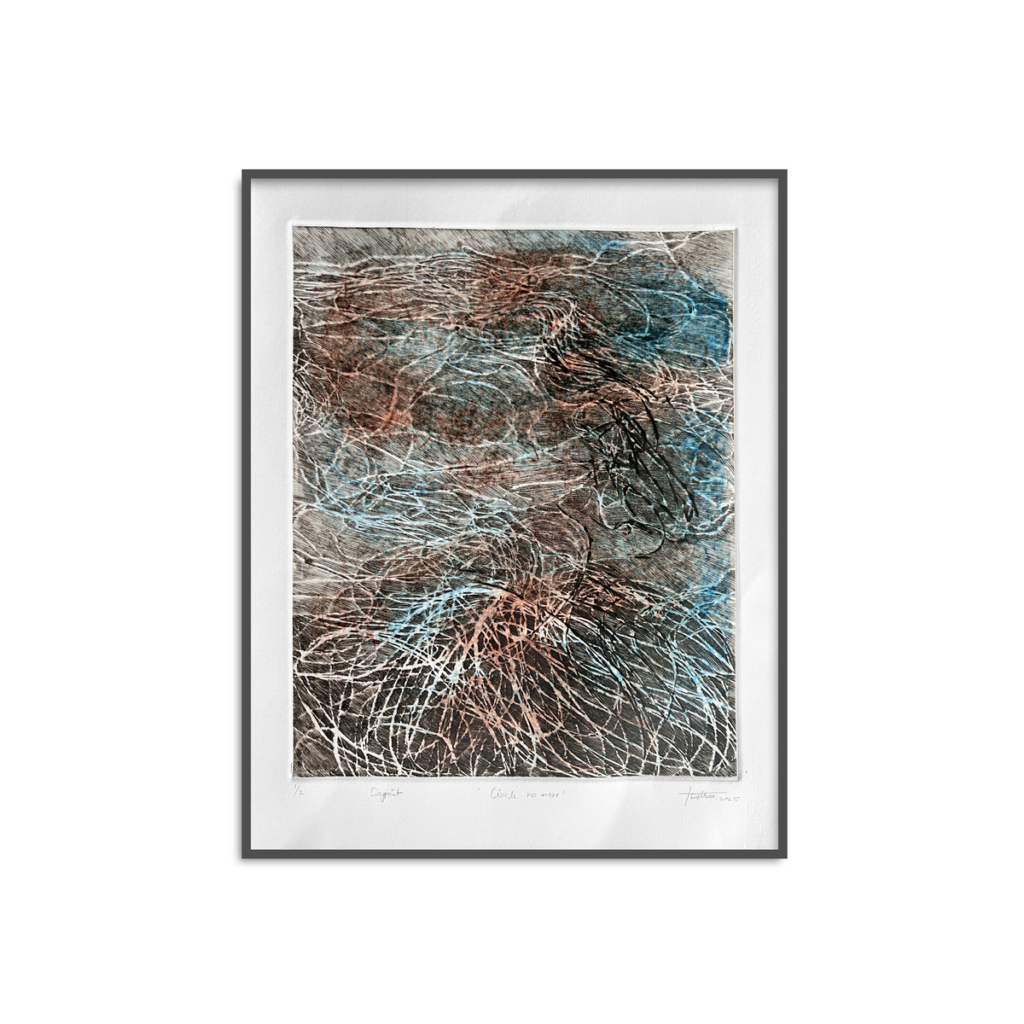
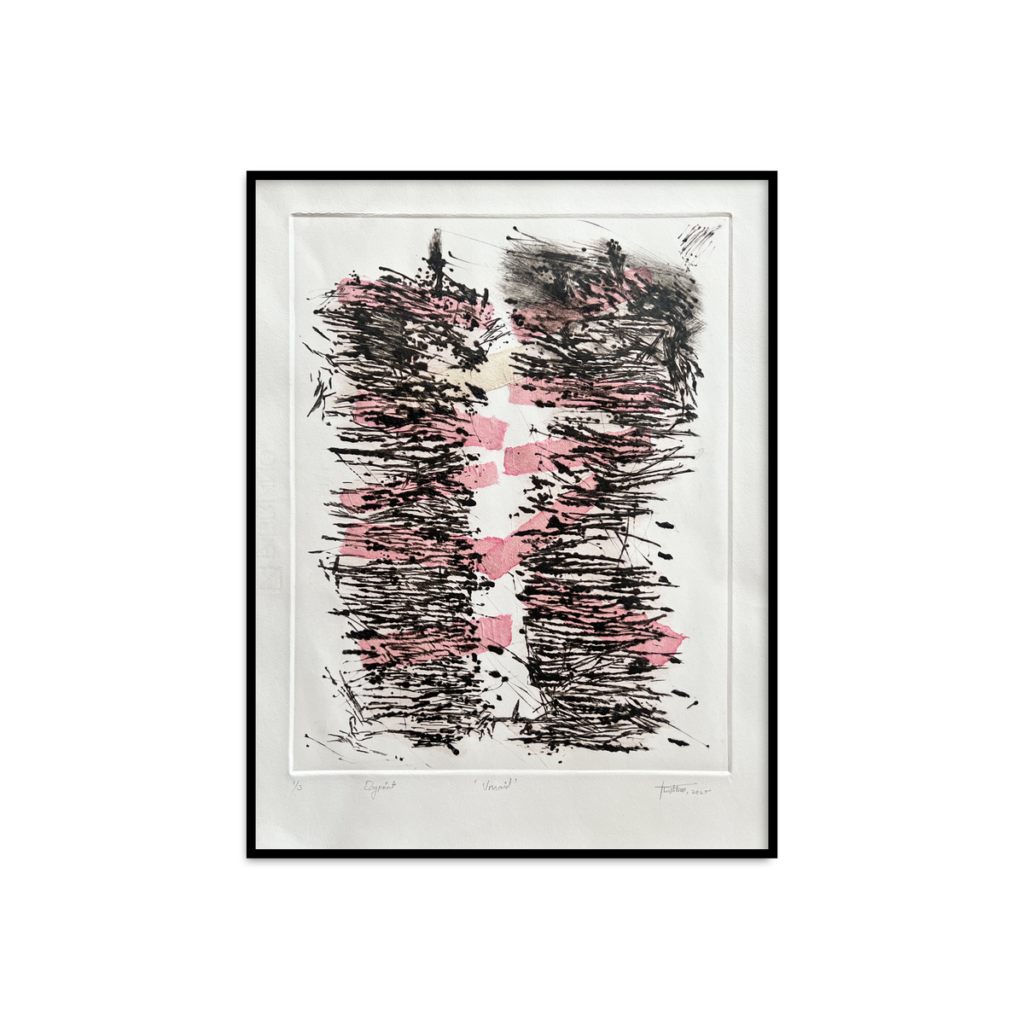
Khushboo’s visual language emerges from rhythm and repetition—each mark a quiet invocation. Her practice, which began as an exploration of mortality, has evolved into a search for renewal and transcendence. Moving from figural forms to abstraction, her works dissolve the boundaries between form and formlessness, inviting viewers to encounter moments of stillness and revelation.


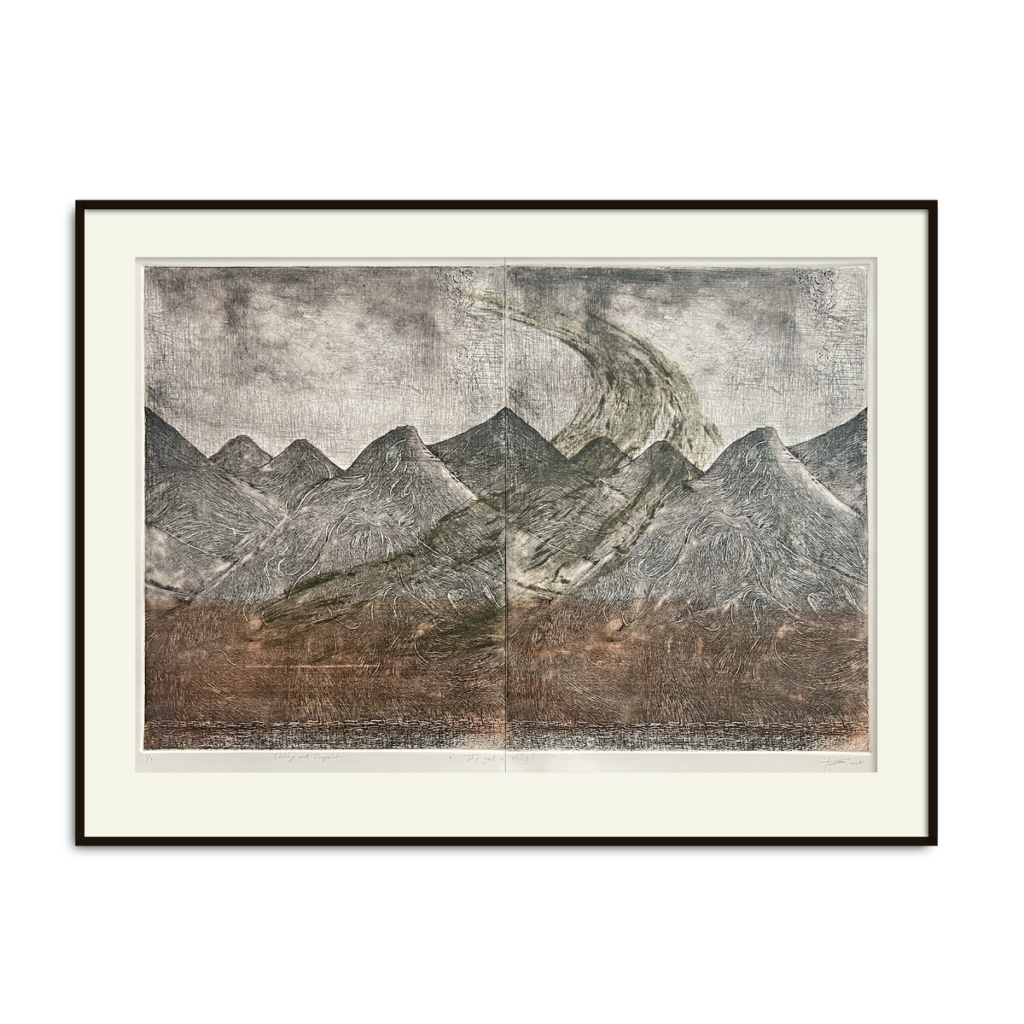
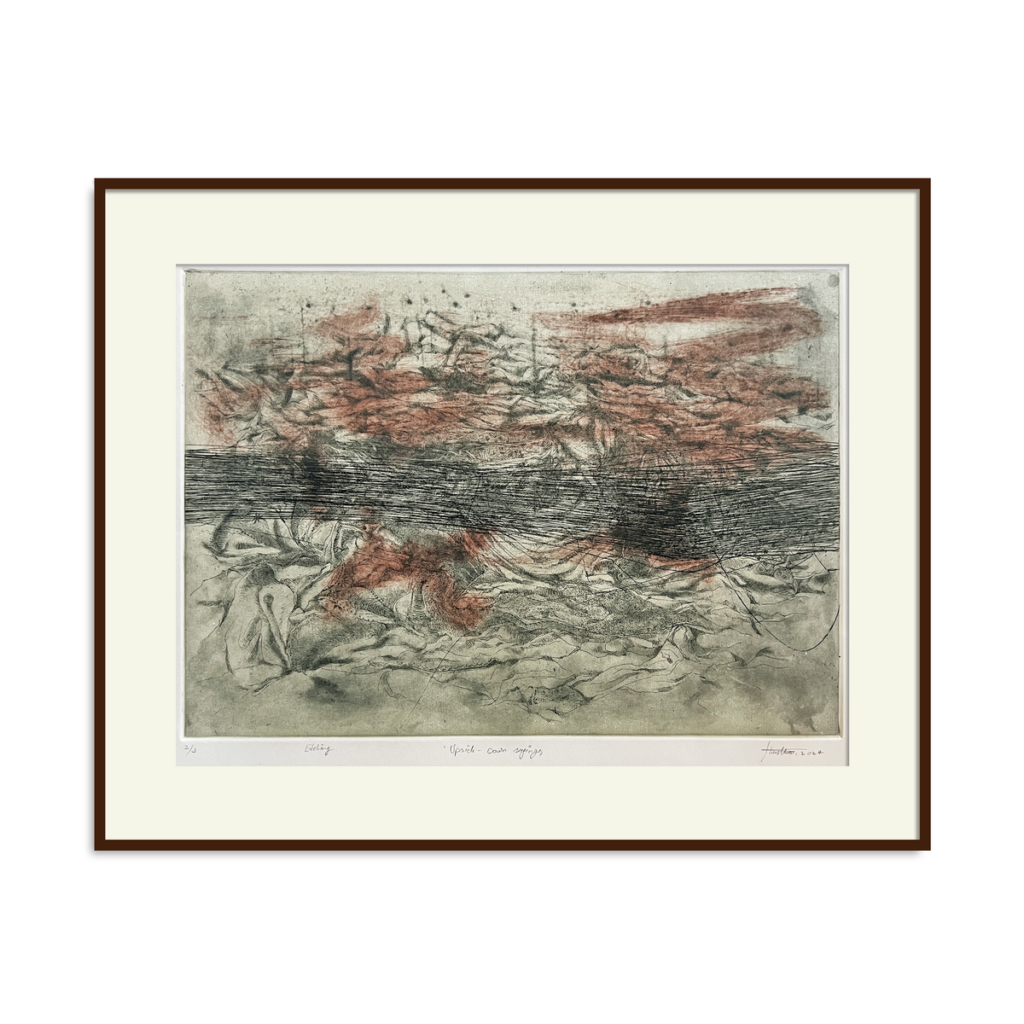
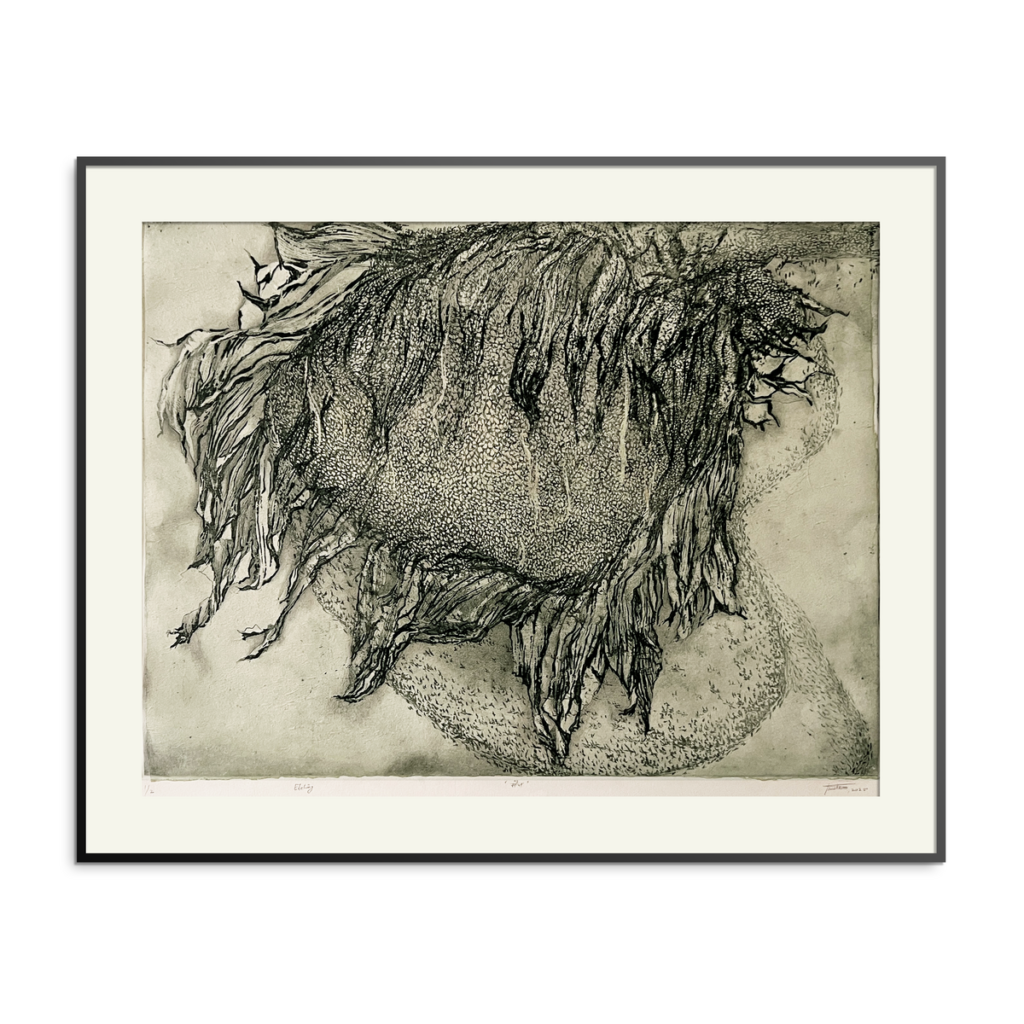
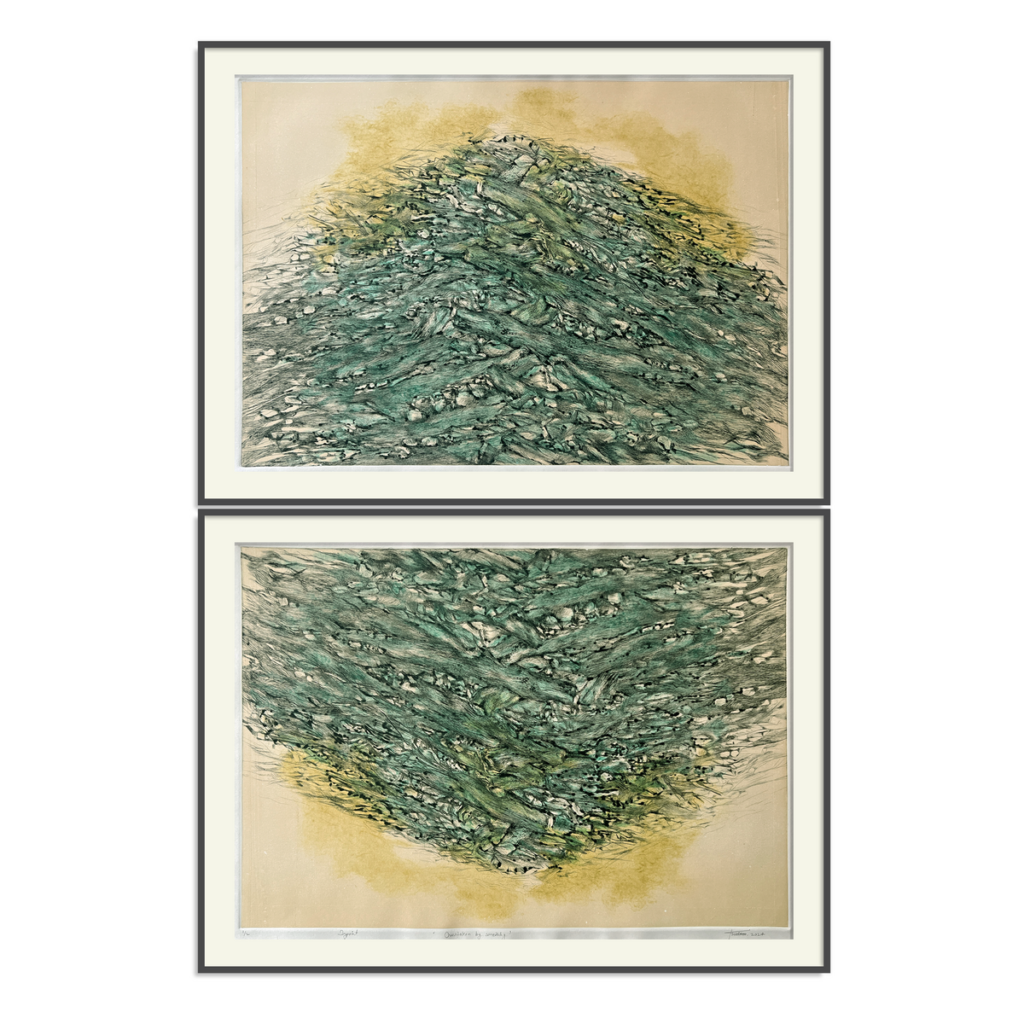
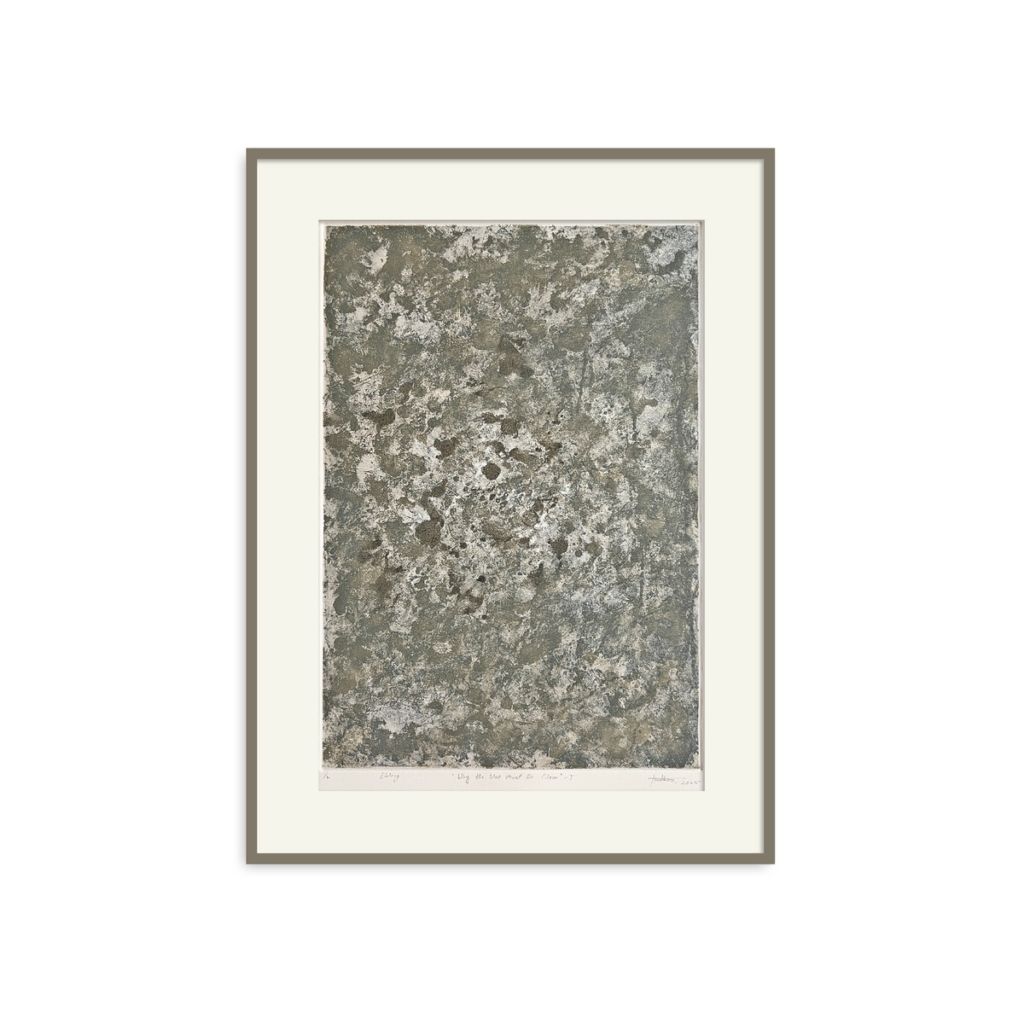
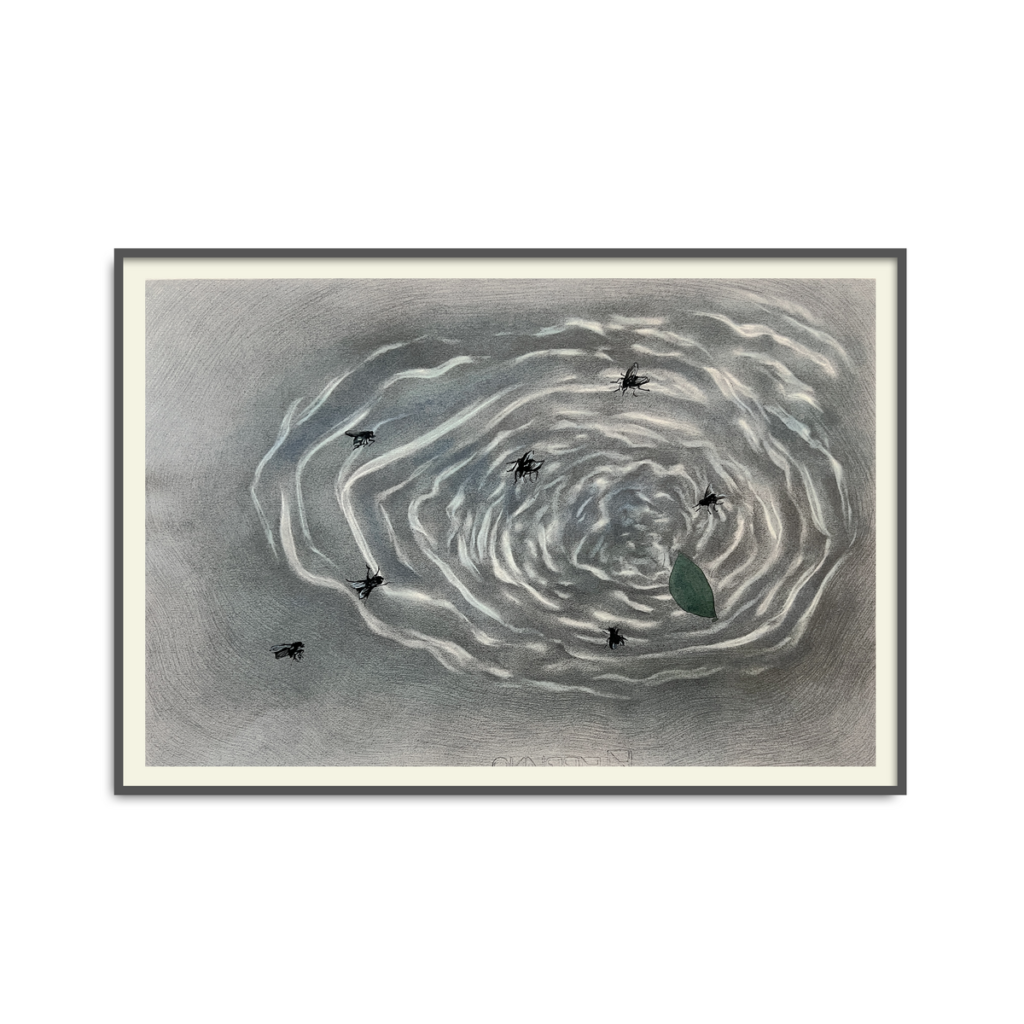
Drawing upon elemental symbols of mud, water, and fire, Khushboo’s works embody the cyclical nature of creation and dissolution. Through a sensitive interplay of text, image, and incision, she transforms printmaking into an act of release—where every etched line becomes both a memory and a letting go.


Everything I Waited to Forget invites audiences to pause, reflect, and experience how image and silence, remembering and forgetting, coexist within the same breath.


About the Artist:

Born in 2001 in Uttar Pradesh, Khushboo holds a Bachelor’s degree in Painting from Banaras Hindu University, Varanasi, and a Master’s degree in Printmaking from the Department of Graphic Arts, Faculty of Fine Arts, The Maharaja Sayajirao University of Baroda, Gujarat.


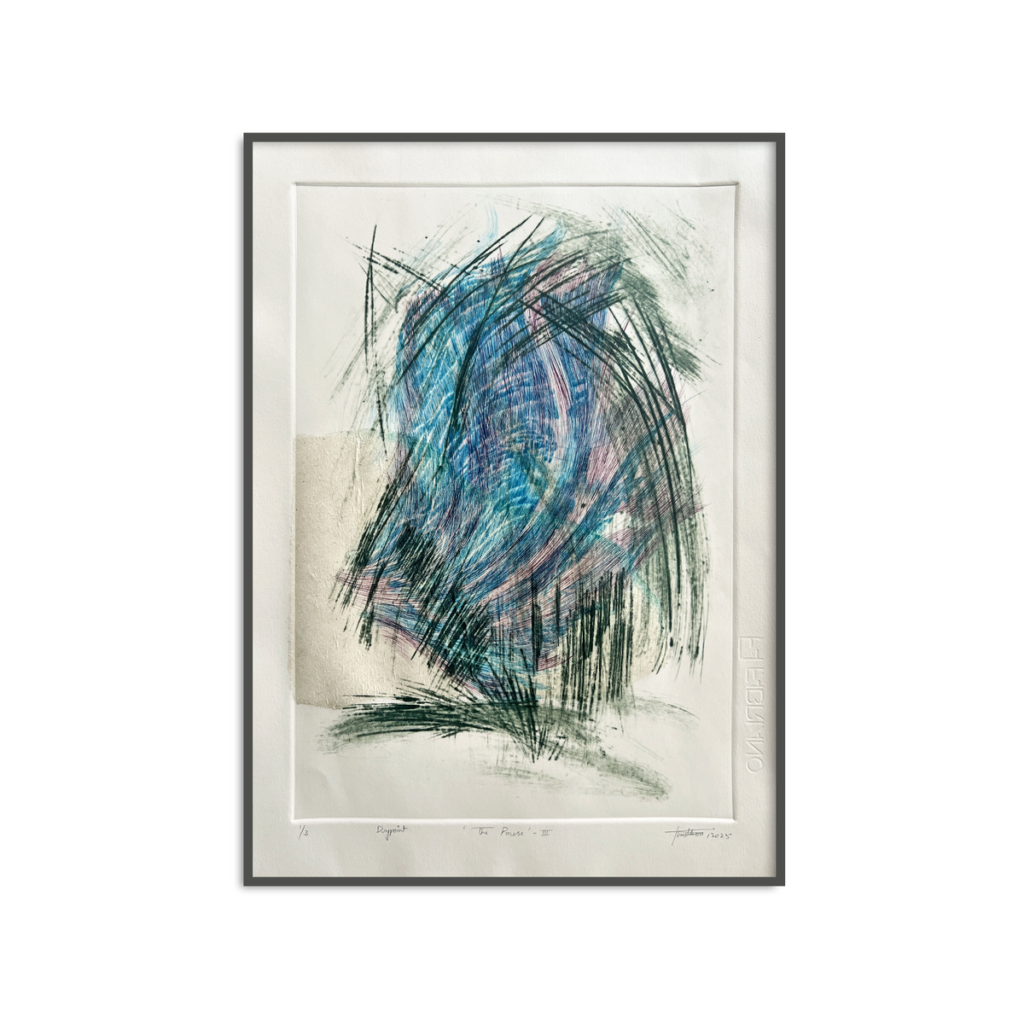
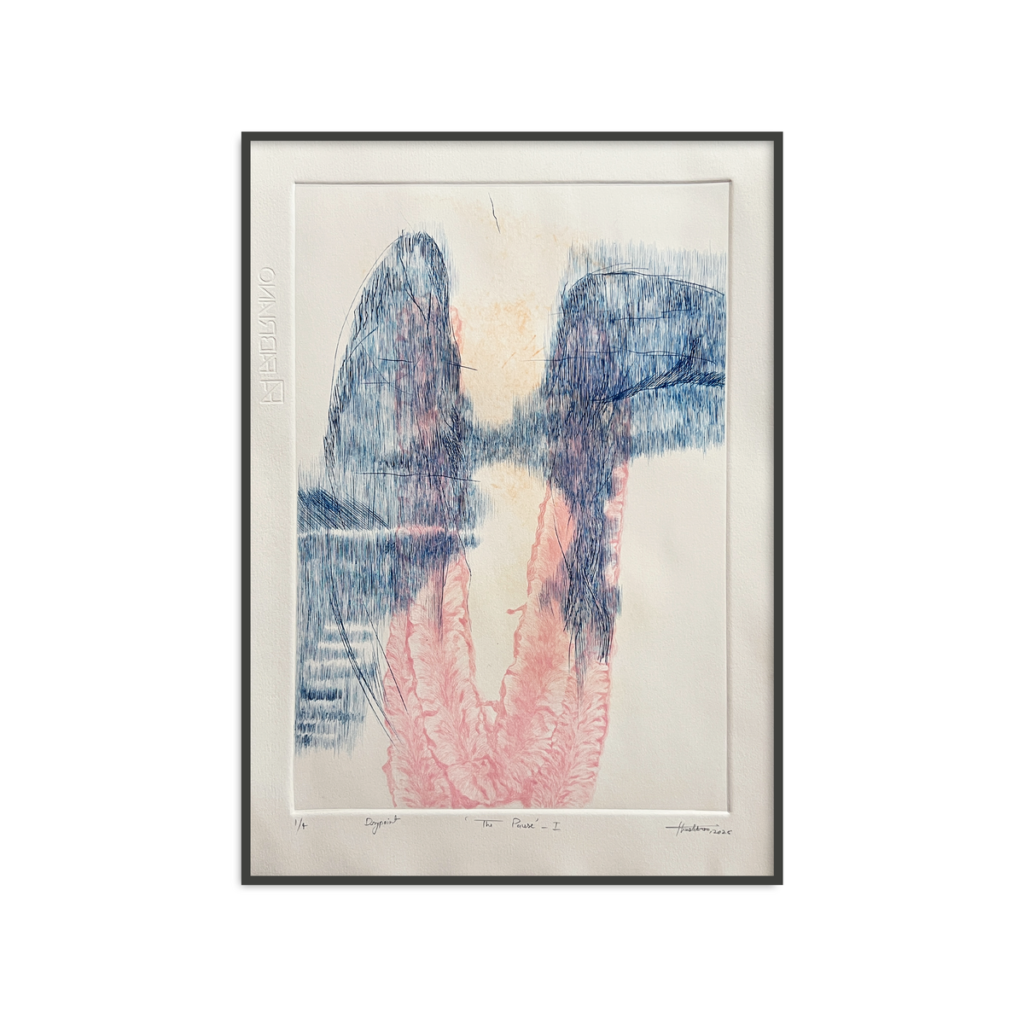
Grounded in self-expression, her work evolves from personal experiences and intuitive responses to the world around her, delving into its spiritual and philosophical dimensions. What began as an exploration of death as the ultimate truth has grown into a deeper contemplation of transformation, transience, and renewal. Drawing and Printmaking—especially etching, drypoint, and woodcut—has become a meditative space for her. Each mark and layer embodies both presence and release, turning process into reflection.


Through her engagement with text and image, Khushboo explores acts of leaving, releasing, and accepting—embracing both wholeness and fragments while remaining open to change. Her work has been presented in several national and international exhibitions, including Voices from India in Cincinnati (USA), Nabh Sparsh at the National Gallery of Modern Art in Delhi and Mumbai, At Crossroads during the Tapi Festival in Surat, Without Cube at the MSU Fine Arts Faculty Gallery, Incept in Baroda at Art Incept in Gurugram, and the CIMA Awards Show 2025 in Kolkata.


She has been recognized with the Jeram Patel Award (2024) and the Manorama Young Printmakers Grant (2025). Through these evolving experiences, Khushboo continues to deepen her understanding of the visible and the invisible—each work becoming a quiet meditation on impermanence, memory, and transformation.
227, South Point Mall, Golf Course Road, Gurugram

India

Curatorial Note by Shankar Tripathi

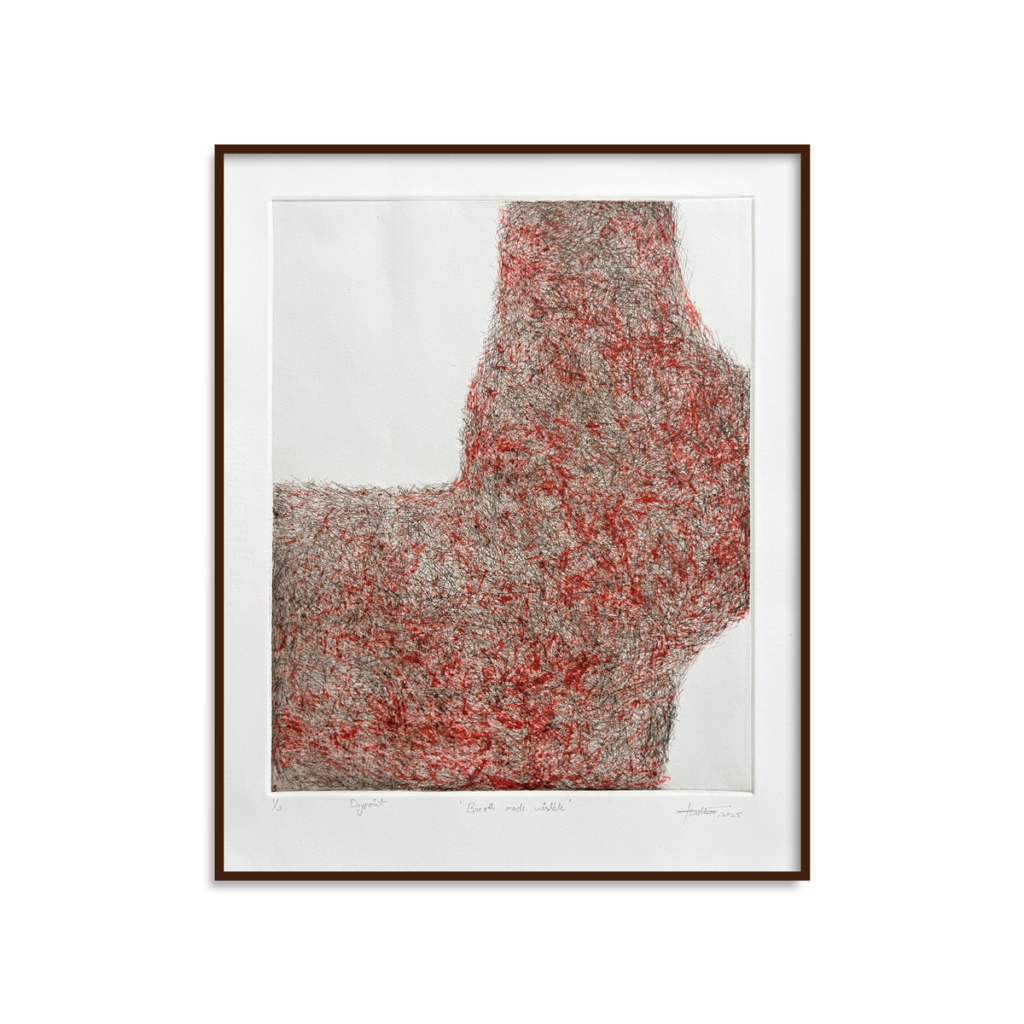
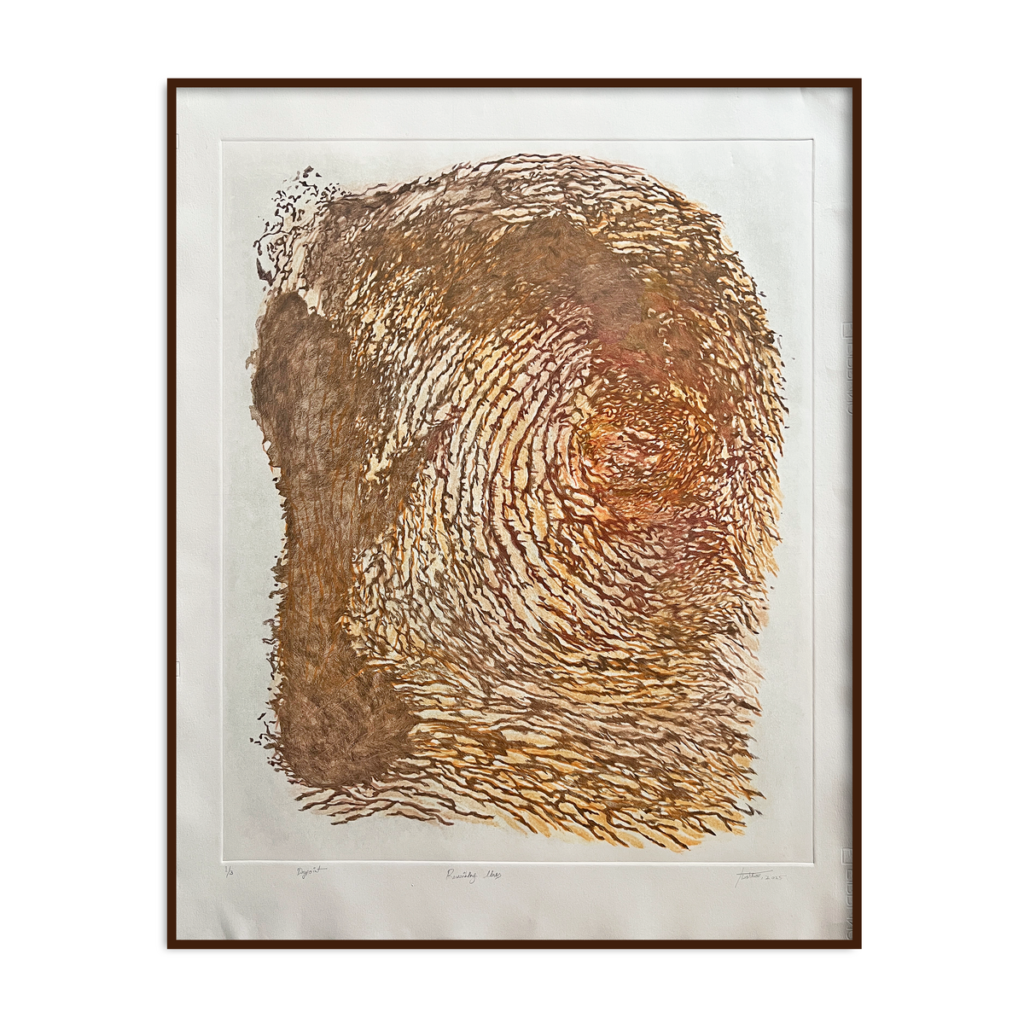
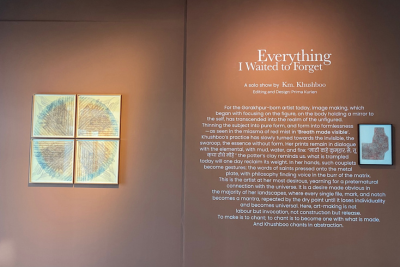
To chant is to remember through repetition. It is to utter a sound until it transcends sound itself, to return to a syllable until it opens a world within. Km. Khushboo’s printmaking practice emerges from this interior rhythm, the steady pulse of a thought that transforms her sharp dry pointóa medium that requires, nay, demands her patience and cautionóinto a fluid, ethereal form. Her art, at once prayer and process, does not seek representation as much as revelation; a revelation steep in literature and philosophy. Each work, with its verdant hues, layered textures, and playfully obscure composition, is a recitation of Khushboo’s tireless search of her ‘self’: an echo of what is known, what is lost and what is revealed, and what continues to breathe beyond knowing. Everything I Waited To Forget is an autobiography, Khushboo’s experiments in search of truth. For the Gorakhpur-born artist today, image making, which began with focusing on the figure, on the body holding a mirror to the self, has transcended into the realm of the unfigured. Thinning the subject into pure form, and form into formlessness—as seen in the miasma of red mist in ‘Breath made visible’—Khushboo’s practice has slowly turned towards the invisible, the swaroop, the essence without form. Her prints remain in dialogue with the elemental, with mud, water, and fire: “माटी कहे कुम्हार से, तू क्या रोंधे मोहे,” the potter’s clay reminds us, what is trampled today will one day reclaim its weight. In her hands, such couplets become gestures; the words of saints pressed onto the metal plate, with philosophy finding voice in the burr of the matrix. This is the artist at her most desirous, yearning for a preternatural connection with the universe. It is a desire made obvious in the majority of her landscapes, where every single file, mark, and notch becomes a mantra, repeated by the dry point until it loses individuality and becomes universal. Here, art-making is not labour but invocation, not construction but release. To make is to chant; to chant is to become one with what is made. And Khushboo chants in abstraction. However, Everything I Waited To Forget is also a reminder that Khushboo’s abstraction is not detachment from reality but another way of seeing, a spiritual Cubism that fractures perception not to confuse, but to multiply it. The artist gathers many planes of existence into one surface: life and death, presence and absence, the seen and the unseen. The image no longer remains an endpoint, but a threshold, a place from where one can cross into another dimension of perception. ‘The Pause IV’ makes this lyrically particular: is this a floodplain of abundance and nourishment, or the lines of fate, marking someone’s hand—and destiny?
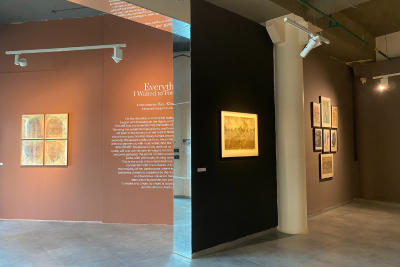
Another powerful example is the majestic quadriptych work ‘पद्मव्यूह’ or ‘Padmavyuh’, a cosmic multi-tiered defensive formation featured in the epic Mahabharata, a robust military stratagem that delicately blooms like a lotus when seen from above. It is here, in this precarious balance of the subtle and delicate, with the intense and destructive, that Khusbhoo’s form grows intuitively, her abstraction not merely borrowing from history but becoming an architecture of meditation where the spirit (hers, her artwork’s) rehearses its own entry and exit. Each artwork breathes through such dualities, carrying an awareness that life itself is a precarious equilibrium between stillness and combustion. In her own words, Khushboo describes art as a search, “an understanding of that invisible spectrum of knowledge that can only be felt.” This search begins in solitude, reminiscing the quiet hours before dawn when she once sketched at the Manikarnika Ghat in Varanasi, where life and death cohabit without conflict. That experience of watching bodies return to the elements became an early initiation, the awareness that creation and dissolution are the same gesture, merely reversed. Her later readings of the Bhagavad Gita reaffirmed this: that the end is not loss, but transformation; that the desire to know God’s true nature is itself the act of becoming. In the end, Everything I Waited To Forget gathers these understandings into a single breath. To forget, here, is not an erasure but a releaseóthe quiet unburdening of what the body and mind once held too tightly. It is the pause between two chants, where sound returns to silence, where the form empties itself to begin again. Through her works, Khushboo invites the viewer into this rhythm of release, to witness how an image dissolves into prayer, how a mark becomes meditation, how a body of work becomes a body of grace. What we are left with, is not the image but its resonance; the hum that continues long after the chant has ceased. Her practice rests in that vibration: intimate, cyclical, unending.